 Largo Siding
 Metal Roofing Built for an Indian Rocks Beach Address
Indian Rocks Beach sits right on the Gulf, and that location is exactly why a roof here has to work harder than one a few miles inland in Largo. You're dealing with salt-laden air blowing off the water almost every day, sun exposure that doesn't let up for most of the year, and the real chance of a tropical system pushing wind-driven rain sideways into every seam and fastener on the roof. Metal roofing can handle all of that better than most other coverings available to homeowners here, but only when the panel system, flashing details, and fastening are chosen and installed with this exact environment in mind.
We're a Largo-based crew, and Indian Rocks Beach is part of our regular service area, not an occasional trip out. That matters more with metal roofing than with almost any other exterior trade, because so much of whether a metal roof lasts comes down to details that are invisible once the job is finished.
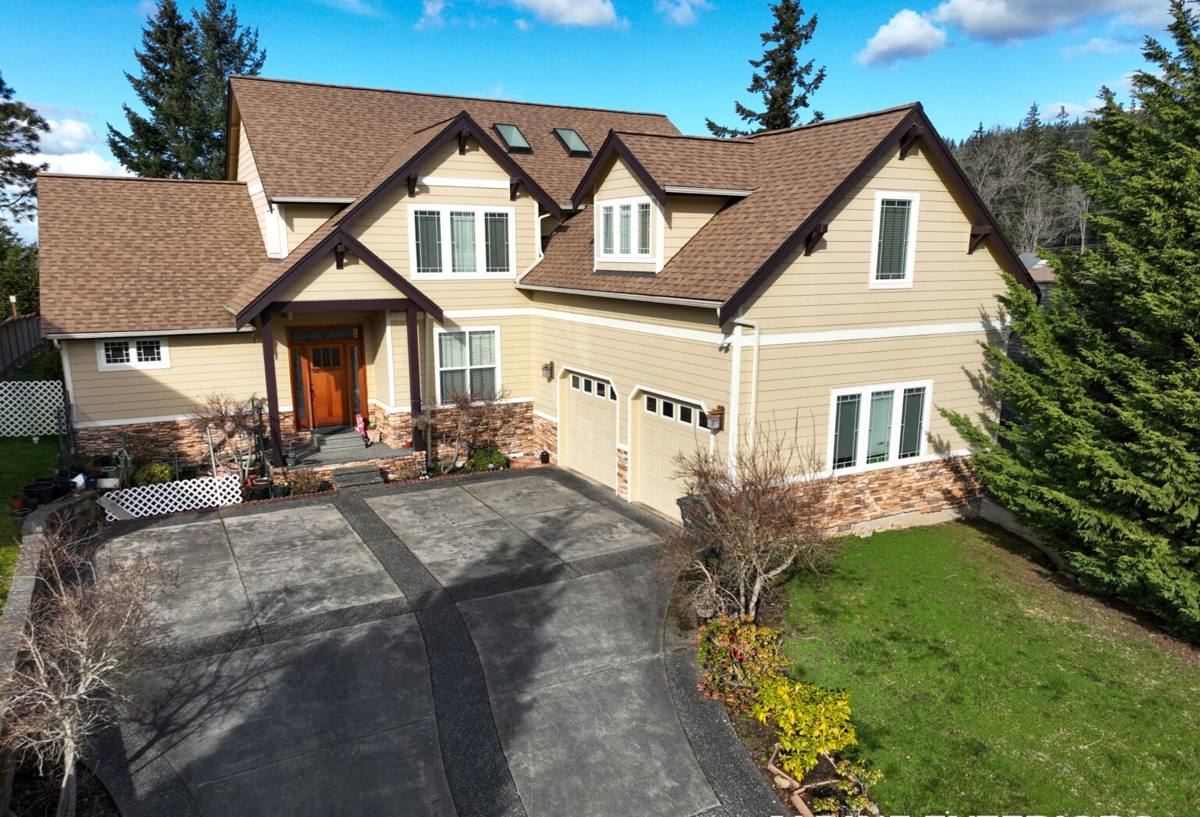
What the Coastal Climate Actually Does to a Roof
It helps to understand the specific stresses at play before talking about the roof system itself.
Salt air and corrosion
Airborne salt settles on every exterior surface near the beach, including roof panels, fasteners, and flashing. It accelerates corrosion on the wrong metals and fastener types, especially where two dissimilar metals are in contact with each other and moisture (a process called galvanic corrosion). A roof spec that's fine 15 miles inland can fail early right on the water if the metals and coatings aren't matched for salt exposure.
Year-round UV
Florida sun is hard on any roofing material, but it's particularly hard on paint and coating systems. A weak finish will chalk, fade, and break down years ahead of schedule under constant UV, which is why the coating on a metal panel matters as much as the metal underneath it.
Wind and wind-driven rain
Pinellas County homes are built to Florida Building Code wind provisions for good reason. During a tropical storm or hurricane, wind doesn't just push on a roof — it creates uplift forces that try to pull panels and fasteners loose, and it drives rain sideways under laps and around penetrations that would never leak in a normal rainstorm. A metal roof's wind and water performance is determined almost entirely by how it was fastened and flashed, not just what panel was chosen.
Panel Systems: Choosing the Right One for This Location
Not all metal roofing is built the same way, and the differences matter more here than they would inland.
Standing seam vs. exposed-fastener panels
Standing seam panels are joined with concealed clips and interlocking seams, so there are no exposed screws punching through the panel face. Exposed-fastener panels are attached with screws driven directly through the metal, each one sealed with a washer. Both systems can perform well, but exposed fasteners rely on those washers staying intact for the life of the roof — and in salt air and constant sun, washer gaskets are one of the first things to degrade. Standing seam removes that maintenance item entirely, which is a big reason we lean toward it for homes closest to the water.
Material and coating
Aluminum and coated steel are the two common choices for coastal metal roofing. Aluminum doesn't rust and handles salt exposure naturally well. Coated steel can perform very well too, but the coating and the cut edges need to be handled correctly, since an exposed steel edge near salt air is where corrosion starts. Either way, we treat the coating system — not just the base metal — as a core part of the decision, since a mediocre coating will fail under UV years before the metal itself would ever be a problem.
| Factor | Standing Seam | Exposed-Fastener Panel |
|---|---|---|
| Fastener exposure | Concealed clips, no face penetrations | Screws through panel face with washers |
| Long-term maintenance | Lower — no washers to inspect/replace | Higher — washers age and need periodic checks |
| Wind uplift performance | Very strong when clips are spec'd correctly | Good, dependent on fastener spacing and type |
| Upfront material/labor cost | Higher | Lower |
| Best fit | Homes closest to the Gulf, roofs you want to install once | Budget-driven projects, secondary structures |
Getting the Installation Details Right
The panel is the visible part of a metal roof. The parts that actually determine whether it survives a coastal storm are underneath it and around its edges.
Underlayment and deck prep
A self-adhering, high-temperature underlayment gives you a secondary water barrier if wind-driven rain ever gets past the panel laps or a flashing detail — and on a coastal roof, it's a matter of when that gets tested, not if. We also check the deck itself for soft spots or old fastener damage before anything new goes down, since a metal roof is only as good as what it's screwed into.
Flashing and penetrations
Valleys, wall transitions, chimneys, and pipe penetrations are where most roof leaks actually start, metal or otherwise. Coastal wind pressure makes clean, properly lapped flashing even more important, because wind can drive water uphill under a poorly sealed edge.
Fastening for wind uplift
Fastener spacing, clip type, and panel-to-substrate attachment all need to match the wind exposure the roof will actually see this close to the Gulf. This is engineering detail, not a place to use a generic inland spec and hope it holds.
Ventilation
Metal roofs benefit from proper attic or roof-deck ventilation just like any other roof — it controls heat buildup under intense Florida sun and helps manage moisture, both of which affect how long the roof and the structure underneath it last.
How We Handle a Metal Roof Project in Indian Rocks Beach
- On-site assessment — we look at the existing roof, deck condition, flashing points, and how exposed the home is to direct Gulf wind and salt.
- System recommendation — we walk through panel type, metal, and coating options for that specific home, with honest trade-offs, not a one-size answer.
- Permitting — roofing work in Largo and unincorporated Pinellas County requires permits and inspections; we handle that process so it isn't on you to manage.
- Tear-off and deck prep — old roofing removed, deck inspected and repaired where needed before anything new is installed.
- Underlayment, flashing, and panel installation — installed in the sequence and spacing the system requires, not shortcuts.
- Final walkthrough — we review the finished roof with you and cover what maintenance, if any, it needs going forward.
Why a Crew That Already Works Indian Rocks Beach Matters
A roofing crew that mostly works well inland can do a technically fine job and still spec a roof that underperforms right on the water, simply because they don't run into salt-air corrosion or Gulf-front wind exposure often enough to plan around it by default. Working Indian Rocks Beach regularly means we're already accounting for things like fastener metallurgy near salt air, flashing details that hold up to wind-driven rain, and how Pinellas County permitting and inspection actually works for coastal properties — before the project starts, not as a surprise partway through.
What a Metal Roof Costs Here — and What Drives the Number
Metal roofing costs more upfront than asphalt shingles, and the range on any given home depends on a handful of specific factors rather than a flat per-square-foot number.
| Cost Factor | Why It Moves the Price |
|---|---|
| Panel system | Standing seam runs higher than exposed-fastener panels due to material and labor |
| Roof complexity | Valleys, dormers, and multiple roof planes add labor and flashing work |
| Deck condition | Rot or soft decking found during tear-off adds repair cost |
| Coating/material grade | Higher-grade coatings and aluminum vs. steel affect material cost |
| Tear-off scope | Number of existing roofing layers to remove changes labor time |
We give a firm number after seeing the actual roof, not a phone estimate — too much of the real cost depends on deck condition and complexity to price accurately any other way.
Maintaining a Metal Roof in a Coastal Environment
Metal roofing is low-maintenance compared to most materials, but "low" isn't "none," especially this close to the Gulf.
- Rinse accumulated salt spray off the roof periodically, especially after long dry stretches with onshore wind
- Have fasteners and washers (on exposed-fastener systems) checked periodically for wear or backing out
- Keep gutters and valleys clear of debris so water isn't held against seams or flashing
- Inspect flashing around penetrations and wall transitions for sealant that's dried out or pulled away
- Get the roof looked at after any major storm, even if nothing looks obviously wrong from the ground
Ready for a Straight Answer on Your Roof
If you own a home in Indian Rocks Beach and you're weighing metal roofing against a replacement or a repair, we're glad to come take a look and give you a straightforward read on condition, options, and real numbers — no pressure, no upsell script. Use the form below to request a free estimate and we'll get a time on the calendar.