 Largo Siding
 Siding Replacement in Dunedin: A Job That Has to Answer to the Gulf
Dunedin sits right against the water on Pinellas County's west side, and that location shapes what a siding job here actually needs to hold up against. Homes in Dunedin deal with hurricane-force wind gusts during storm season, some of the most intense year-round UV exposure in the country, rain that comes in sideways off the Gulf instead of straight down, and a steady dose of salt air that works on fasteners, trim, and finishes whether a storm is in the forecast or not. A lot of Dunedin's housing stock is older, too, which means plenty of homes are carrying original siding, or a prior replacement, that was never really matched to this exposure in the first place.
We're based in Largo and work Dunedin regularly, and this page covers siding replacement specifically for Dunedin homes: what the climate here actually does to a wall, what a correct replacement job involves, how our process runs, and why a crew that already knows this stretch of coastline matters more than it might seem.
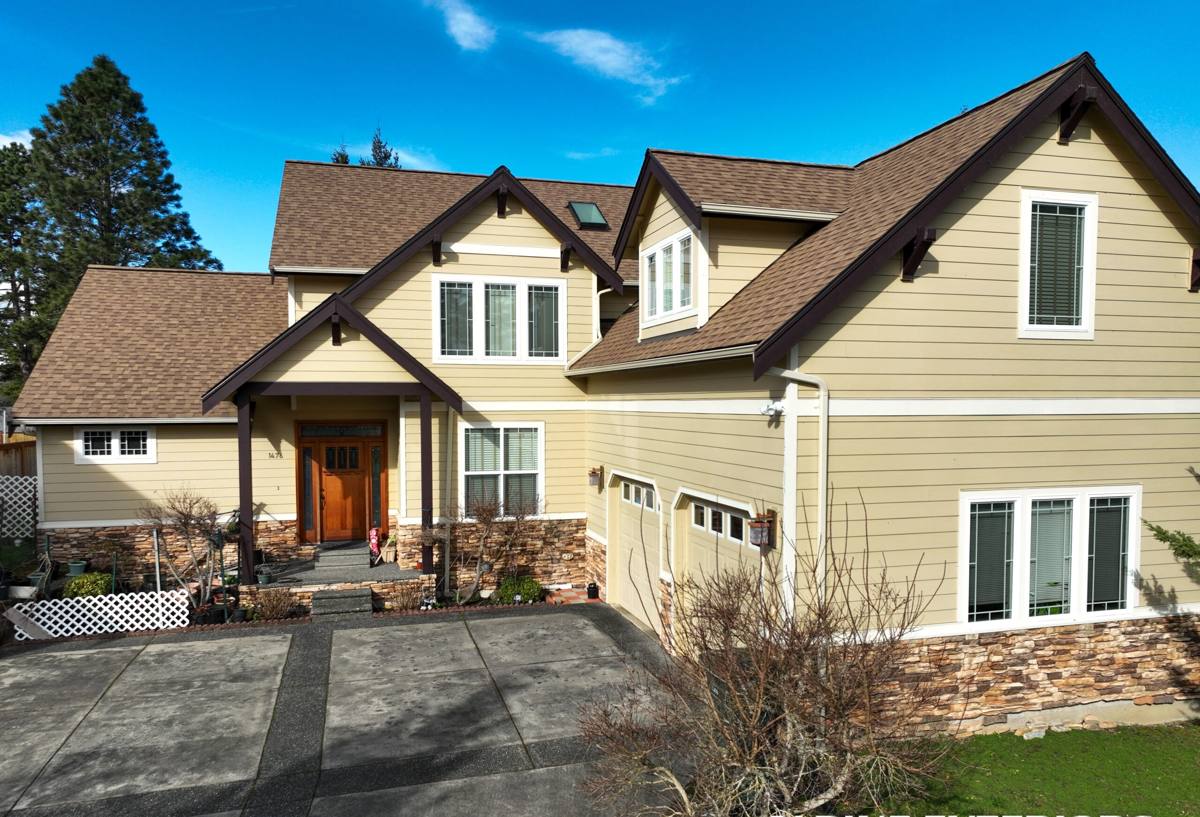
What Dunedin's Climate Does to Siding
Hurricane-Force Wind
Dunedin's proximity to the Gulf means wind load isn't a theoretical concern during storm season, it's a real design condition. Wind doesn't just push against a wall, it gets under loose panels, works fasteners back out of their holes over repeated storm cycles, and turns any siding installed with the wrong nailing pattern or clearance into debris. Siding that's rated for wind but installed without the fastening schedule and clearances the manufacturer specifies won't actually perform to that rating when it matters.
Intense, Near-Constant UV
Florida gets some of the highest UV exposure in the country, and a west Pinellas County property like a Dunedin home often takes long afternoon sun with little interruption. UV breaks down pigments and resins in field-applied paint far faster than most homeowners expect, which is why siding that looked good at install can be visibly chalky or faded within a handful of years if the finish wasn't built for this kind of sun load.
Wind-Driven Rain
Storms coming off the Gulf push rain sideways into lap joints, trim seams, and anywhere flashing is even slightly off. That's a different, more demanding load than a simple annual rainfall total suggests. A siding system and installation detail that would hold up fine somewhere with calmer, more vertical rainfall can still fail here specifically because water is finding its way in from the side.
Salt Air
Dunedin's location on the water means salt-laden air is a constant, not an occasional event. Salt accelerates corrosion in fasteners, flashing, and hardware, and it degrades lower-grade finishes faster than a drier, more inland climate would. Any siding replacement here that doesn't account for corrosion resistance in the hardware, not just the visible siding material, is setting up problems that show up a few years down the road rather than on install day.
Why We Only Install James Hardie Siding
We install James Hardie fiber cement siding exclusively, on every replacement job we take on, including in Dunedin. That's not a brand preference pulled off a supplier catalog. It's a professional standard we settled on after seeing which materials actually hold up against this exact combination of wind, sun, salt, and wind-driven rain, and which ones quietly shift maintenance and repair costs onto the homeowner a few years after install.
- Non-combustible core: Fiber cement doesn't feed a fire the way wood-based or wood-fiber siding products can, which matters for both household safety and insurance underwriting in a wind- and storm-exposed area.
- Factory-applied ColorPlus finish: The color is baked on under controlled factory conditions instead of brushed on in the field, so it resists the fading and chalking that this level of UV exposure causes in site-applied paint.
- Climate-engineered HZ product lines: Hardie's HZ5 formulation is built specifically for high-moisture, high-humidity regions, which describes coastal Pinellas County about as well as anywhere in the country.
- Dimensional stability: Fiber cement doesn't swell, cup, or warp the way engineered wood siding can after repeated wet-season moisture cycles and Gulf humidity.
- Strong transferable warranty: Hardie backs its products with one of the more robust warranty structures in the industry, provided the installation is done to spec, which is exactly why we treat installation detail as seriously as the material itself.
We don't install LP SmartSide, vinyl siding, Cemplank, Allura, primed spruce, or cedar. Each of those has a legitimate place in the broader market and plenty of homeowners elsewhere are happy with them. But for a Dunedin property taking on hurricane wind, salt air, and this much sun in the same year, we made the professional call that one system we fully trust is worth more than a cheaper option that trades a lower price today for callbacks and repainting down the line.
What a Correct Siding Replacement Involves
The material is only part of the job. A James Hardie replacement that performs the way it's engineered to requires correct fastening patterns and spacing, proper clearance from grade and roof lines, joints that are lapped and sealed correctly, and house wrap and flashing that actually work with the siding rather than being installed as an afterthought underneath it. On a wind- and rain-exposed property like most Dunedin homes, these details aren't optional extras, they're the difference between siding that survives the next storm season cleanly and siding that needs repair calls within a few years.
Full Tear-Off vs. Partial Replacement
Not every Dunedin siding job needs a complete tear-off. If damage is localized, storm impact hit one section, or trim failed around a window, we can sometimes repair and match into existing Hardie siding. But when the existing material is an older product that's reached the end of its service life, or when moisture has clearly been tracking behind the wall for a while, a full tear-off is usually the honest answer. We'll tell you which situation your home is actually in rather than defaulting to whichever option pays better.
What Tear-Off Reveals
Removing old siding on an older Dunedin home is often the first real look anyone's had at the sheathing and framing behind it in years. Trapped moisture, soft or rotted sheathing, and corroded fasteners are common finds on homes that have carried the same siding through multiple storm seasons. We inspect that substrate before anything new goes up, repair what needs repairing, and won't cover up damage that should be addressed first, because sealing a moisture problem behind new siding just delays a bigger, more expensive repair.
How Our Process Works
We start with an on-site walkthrough of the home: current siding condition, trim and window detailing, roofline clearances, and any visible signs of moisture or storm damage. From there we give a straight assessment of whether the job is a repair, a partial replacement, or a full tear-off, along with a real, walked-property estimate rather than a number quoted off a generic price sheet.
Once the scope is set, tear-off comes first if that's what's needed, followed by substrate inspection and any necessary repair to sheathing or framing before anything new goes on. From there it's house wrap and flashing detail, then the Hardie siding itself, installed to the fastening and clearance spec the product requires for this wind and moisture exposure. We finish with trim, caulking at the joints that need it, and a walkthrough so you know exactly what was done and what the warranty actually covers.
Siding Replacement Cost Factors in Dunedin
| Factor | What It Affects | Why It Matters Here |
|---|---|---|
| Home size and wall complexity | Total material and labor | More corners, dormers, and trim mean more joints where wind-driven rain can intrude |
| Tear-off vs. overlay | Labor scope and substrate access | Tear-off reveals hidden moisture or storm damage common on older Dunedin homes |
| Substrate condition | Repair costs before new siding goes on | Years of salt air and trapped moisture can corrode fasteners and soften sheathing |
| Trim, color, and finish | Material cost and long-term finish life | ColorPlus factory finishes resist Dunedin's intense UV far better than field-applied paint |
| Wind zone and fastening spec | Fastener grade and installation detail | Coastal wind exposure calls for correct fastening schedules, not a generic inland spec |
| Site access | Labor time and equipment staging | Waterfront and tighter lots common in Dunedin can add setup time |
Exact numbers depend on the specific home and its current condition, which is why we walk the property before giving a real estimate instead of quoting sight unseen.
Signs a Dunedin Home Needs Siding Replacement
- Soft or spongy siding, especially low on the wall or around window and door trim
- Peeling paint, bubbling, or visible warping on siding boards
- Cracked, chipped, or missing sections after a storm or high-wind event
- Visible gaps at seams, corners, or trim joints where wind-driven rain can track in
- Chalky, faded finish that doesn't come back after washing, a common sign of UV breakdown
- Corrosion staining around fasteners or trim, a common sign of salt air working on the hardware
- Rising energy bills that may point to a wall assembly no longer sealing properly
Why a Largo-Based Crew That Already Works Dunedin Matters
A crew that works this part of Pinellas County regularly sees how hurricane-force wind, sun, salt air, and wind-driven rain actually behave on real homes over full storm seasons, not just how a product performs on a spec sheet. That experience shapes practical decisions on install day: which fastening schedule actually holds up to local wind exposure, where flashing deserves extra attention, and which trim details are worth the additional time so a homeowner isn't dealing with a callback after the next named storm. Being based in Largo means we're not driving in blind or learning Dunedin's specific mix of coastal exposure and older housing stock on your project, we've already worked to that standard on homes like yours nearby.
If your Dunedin home needs siding replacement, repair, or an honest second opinion on what's actually happening behind an aging wall, we're glad to take a look. Reach out using the form below to schedule a free, no-pressure estimate.