 Largo Siding
 Building a Deck in Kenneth City: What the Climate Actually Demands
Kenneth City sits in the middle of Pinellas County, close enough to the Gulf and Tampa Bay that the same air that makes Florida living pleasant also makes it hard on outdoor structures. A deck here isn't just exposed to sun and rain the way a deck in a drier, cooler climate would be — it's exposed to salt-laden air, sudden heavy downpours, long stretches of intense UV, and the real possibility of hurricane-force wind during storm season. Every one of those factors changes how a deck should be designed, framed, and fastened.
A lot of deck problems we get called out to fix in this area didn't start as bad workmanship — they started as a build that was done the way you'd build a deck somewhere with a milder climate. Wood that isn't rated for ground or splash contact, fasteners that were never meant to sit in salt air, or flashing details that were skipped because "it probably won't rain that hard." In Pinellas County, it will.
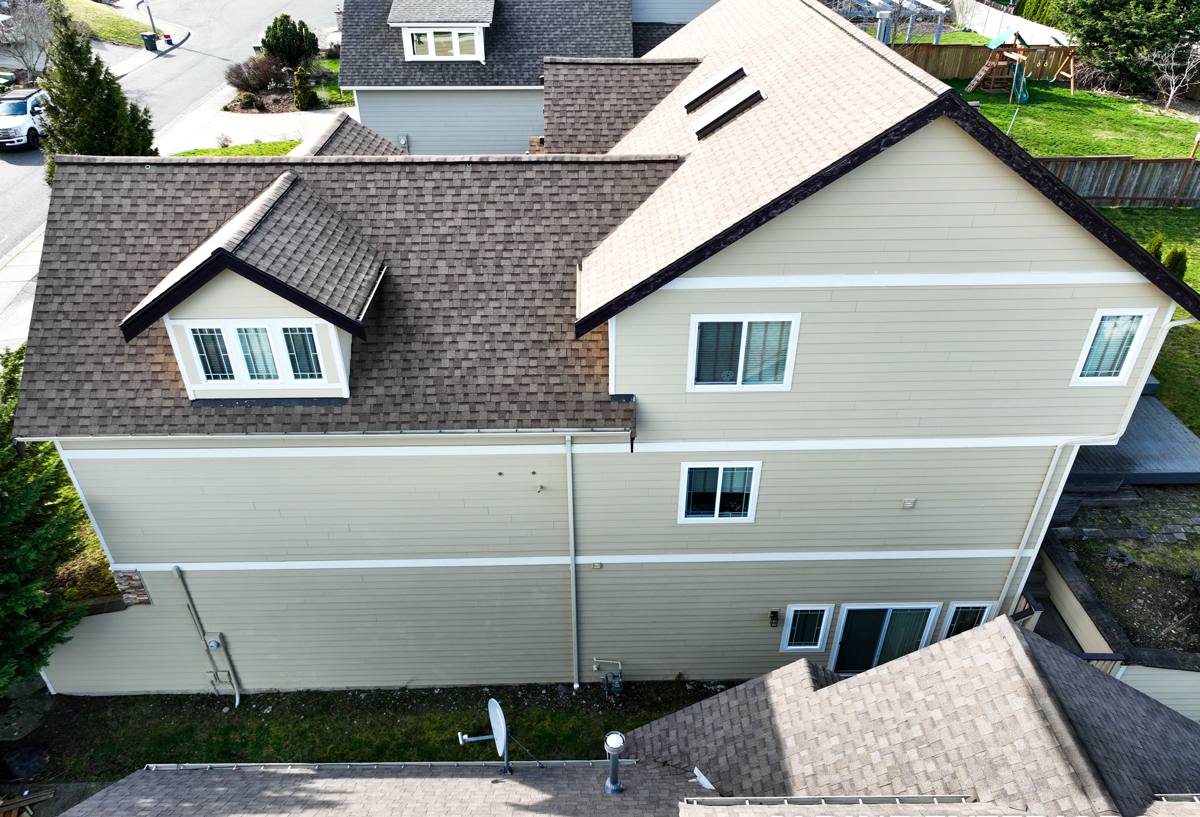
Framing and Structure: Where Most Deck Failures Actually Start
The decking boards are what you see and what you walk on, but the structure underneath is what determines whether the deck is actually safe and long-lived. This is the part of the job that matters most and shows the least once it's built.
Footings and Posts
Footings need to be sized and set to resist both the vertical load of people and furniture and the uplift and lateral forces that come with high wind. A shallow, undersized footing might hold a deck up fine on a calm day and still not be adequate for a wind event. Post-to-footing connections need real hardware, not just wood resting on concrete.
Ledger Board Attachment and Flashing
If the deck attaches to the house, the ledger board connection is one of the most important — and most commonly under-built — parts of the whole structure. It needs proper flashing to keep wind-driven rain from working its way behind the ledger and into the house's wall framing, plus lag bolts or through-bolts sized for the actual load, not just whatever was on hand. A leaking ledger board can cause hidden rot in the house framing long before anyone notices a problem with the deck itself.
Joists, Beams, and Hardware
Joist hangers, hurricane ties, and structural screws all need to be rated for exterior and coastal use. Standard galvanized hardware can start corroding within a few years this close to the water; it's a false economy that shows up as rust stains and weakened connections long before the wood itself would have failed.
Choosing a Decking Material That Can Handle This Climate
There's no single "best" decking material — there's the material that fits your budget, your maintenance tolerance, and how the deck will be used. Here's how the common options stack up under Pinellas County conditions specifically.
| Material | Sun & Heat Behavior | Moisture & Salt Air | Maintenance |
|---|---|---|---|
| Pressure-treated pine | Can gray, check, and warp faster under constant intense UV | Treatment resists rot, but fasteners and hardware still need to be corrosion-rated | Needs periodic sealing/staining to hold up long-term |
| Capped composite decking | Handles UV well; some darker colors run hotter underfoot | Doesn't absorb moisture or rot; performs well in salt air | Low — occasional washing, no sealing or staining |
| Tropical hardwood (e.g., ipe) | Very stable and durable in heat | Naturally dense and rot-resistant, but pricier and less forgiving to install | Periodic oiling recommended to maintain color; will gray naturally if left untreated |
| Aluminum decking | Stays cool relative to dark composite, doesn't degrade under UV | Excellent — effectively immune to rot and corrosion issues that affect wood | Very low; higher upfront cost |
We install pressure-treated and composite decking most often because they cover the widest range of budgets while still holding up to what this climate throws at them. When a homeowner wants a hardwood or aluminum deck, we're glad to build it — it just comes with a different cost and installation approach, and we'll walk through that honestly before you commit.
Permits and Wind Load: Not Optional in Pinellas County
Decks in this area are governed by the Florida Building Code, and depending on the property, permitting runs through Pinellas County or the local municipal building department. A new deck almost always requires a permit, and that permit review checks things like footing depth, structural connections, guard and railing height, and stair geometry — all of which matter more here because the code is written with Florida's wind speeds in mind, not a generic national minimum.
Skipping the permit process might save a little time upfront, but it creates real problems later: an unpermitted structure can complicate a home sale, cause issues with insurance after storm damage, and in some cases has to be torn out and rebuilt to code. We pull permits as a standard part of the job, not an upsell.
How We Approach a Kenneth City Deck Project
- On-site assessment. We look at the ground, drainage, sun exposure, existing structure (if it's a rebuild), and how you actually plan to use the space.
- Design and material conversation. We talk through size, layout, decking material, and railing options against your budget — with honest pros and cons for each, not a sales pitch toward the most expensive option.
- Permit drawings and submission. We prepare what's needed and handle the permitting process with the applicable local building department.
- Footings and framing. This is where the structural work happens — footings, posts, ledger flashing, joists, and hardware, all sized for Florida wind and moisture conditions.
- Decking, railing, and stairs. Installed to the manufacturer's specifications for whatever material was chosen, with fastener spacing that accounts for expansion and contraction in Florida heat.
- Final inspection and walkthrough. We go over the finished deck with you, confirm the permit closes out cleanly, and answer questions about care going forward.
What We Commonly Find on Older or Poorly Built Decks in This Area
When we're called out to repair or replace an existing deck in Kenneth City and the surrounding Largo area, the same handful of issues show up again and again:
- Ledger boards with missing or failed flashing, leading to hidden rot at the house connection
- Standard (non-coated) fasteners that have rusted and weakened over just a few years
- Undersized or shallow footings that have shifted or settled
- Decking boards installed tight together with no gap, which traps moisture and debris and accelerates rot or composite board issues
- Railings that don't meet current height or baluster-spacing code, often on decks built without a permit
None of these are unusual or a sign of a "bad neighborhood for decks" — they're what happens when a deck is built without accounting for Florida's specific combination of heat, rain, and salt air. It's fixable, but it's cheaper to build it right the first time than to rebuild it in five years.
Maintenance: What Actually Extends a Deck's Life Here
Whatever material you choose, a little regular attention goes a long way in this climate. A basic seasonal checklist:
- Rinse off salt residue, pollen, and debris every few weeks, especially after storms
- Check fastener heads and hardware for early rust or corrosion at least once a year
- Inspect the ledger board area and any spot where the deck meets the house for soft wood, staining, or gaps in flashing
- Reseal or restain pressure-treated wood on the schedule recommended for your specific product — don't wait until it's visibly gray and dry
- Confirm drainage under the deck isn't holding standing water after heavy rain
- Trim back vegetation that keeps the deck surface shaded and damp for long periods
Why It Matters That the Crew Already Works in Kenneth City
A contractor who mostly builds decks somewhere with a different climate will default to different habits — because those habits work fine where they're used to building. A crew that regularly works Kenneth City and the rest of the Largo area already knows which fastener grades hold up, which footing depths make sense for local soil and code, and which framing details actually matter here versus what's just extra cost. That familiarity also means faster, more accurate permit submissions with the local building department, because we've been through the process before rather than learning it on your project.
There's also a simple accountability piece to being local: if something needs a follow-up visit, adjustment, or warranty check, we're not driving in from out of the area to do it.
Getting Started
If you're weighing a new deck, a rebuild, or repairs to an existing one in Kenneth City, we're happy to come take a look, talk through what your yard and budget actually call for, and give you a straightforward estimate — no pressure, no upsell script. Use the form below to get in touch and we'll set up a time to come out.