 Largo Siding
 Belleair Bluffs Sits Right Where Florida's Climate Gets Toughest on a House
Belleair Bluffs is a small community, but its location near the Intracoastal Waterway and the Gulf coast puts homes here under a heavier climate load than siding in most of the country ever has to handle. Wind-driven rain off the water, salt-laden air, near-constant UV exposure, and the threat of hurricane-force gusts all act on exterior walls at the same time, year after year. Siding that isn't specifically built and installed for this combination doesn't just look tired sooner — it can fail structurally, letting moisture behind the cladding where it does the real damage.
When we talk to homeowners in Belleair Bluffs and the surrounding Largo area about siding installation, we're not selling a generic exterior upgrade. We're solving for a specific set of local stresses: wind uplift on fastened panels, capillary moisture intrusion at seams and laps, coastal salt attacking fasteners and finishes, and UV breaking down anything not engineered to resist it. Getting all four right at once is what separates a siding job that lasts from one that doesn't.
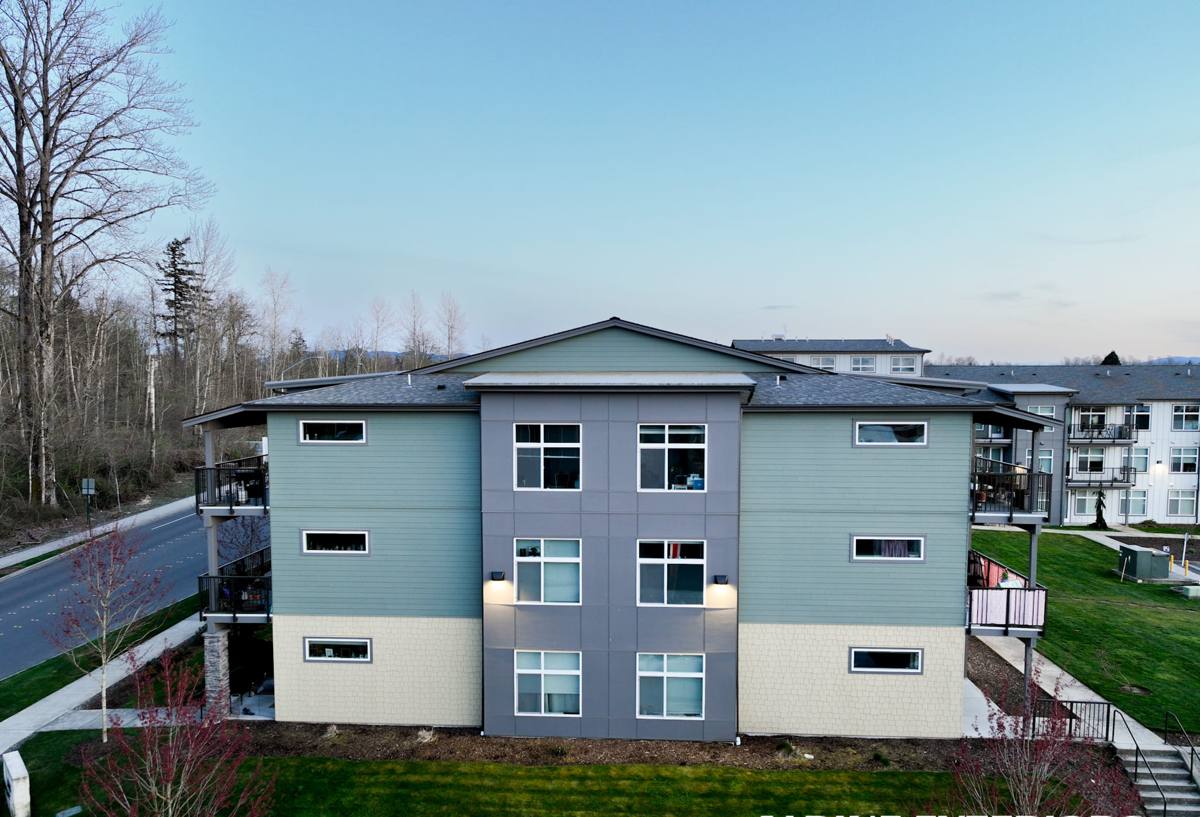
What Belleair Bluffs Homes Actually Need From Their Siding
Wind Resistance That Doesn't Rely on Hope
Coastal Pinellas County falls under Florida Building Code wind provisions that assume real hurricane exposure, not just occasional storms. That means fastening schedules, panel overlap, and edge details all matter more here than in inland markets. A siding product and installation method that's rated for wind uplift — and actually installed to that rating, not just "close enough" — is the baseline, not an upgrade.
A Water Management System, Not Just a Surface
Wind-driven rain in this area doesn't fall straight down — it's pushed sideways into walls, into corners, and up under laps and trim. Correct siding installation treats the whole wall as a drainage system: weather-resistive barrier, properly lapped and taped seams, correctly flashed windows and penetrations, and a rainscreen gap where the product calls for one. The siding itself is only one layer of that system.
Salt-Air Durability
Proximity to the Intracoastal and the Gulf means airborne salt settles on every exterior surface, including siding, fasteners, and trim. Salt accelerates corrosion in bare or poorly coated metal fasteners and trim, and it degrades finishes that aren't formulated to resist it. Material choice and fastener choice both matter more here than they would 30 miles inland.
UV Stability
Florida's UV load runs high nearly every month of the year. Paints and coatings not engineered for that exposure chalk, fade, and crack years ahead of schedule, which opens the door to moisture intrusion at exactly the seams and edges where it matters most.
Why We Install Only James Hardie Fiber Cement Siding
We made a deliberate decision years ago to standardize on James Hardie fiber cement siding and stop installing vinyl, LP SmartSide, Cemplank, Allura, or unfinished wood species like primed spruce or cedar. That's not a marketing position — it's a professional standard based on what actually holds up under Belleair Bluffs' specific combination of wind, water, salt, and UV.
Vinyl siding is inexpensive and easy to install, and for a lot of the country it's a reasonable choice. But it's a thin, flexible material that can deform in high heat, crack in impact, and is limited in the wind ratings it can achieve compared to a rigid fiber cement panel — a real consideration in a hurricane-exposed coastal community. Engineered wood products like LP SmartSide use wood strand cores that, while treated, remain more moisture-sensitive at cut edges and fastener penetrations than fiber cement, which matters in a climate where wind-driven rain finds every gap. Untreated or primed wood species like cedar and spruce require an ongoing maintenance commitment — regular painting, sealing, and inspection — that most homeowners underestimate until the wood starts showing rot at the bottom courses and around trim.
James Hardie fiber cement is non-combustible, dimensionally stable in heat and humidity, and manufactured with a factory-applied ColorPlus finish baked on under controlled conditions — a more UV- and fade-resistant result than field-applied paint. Hardie's HZ5 product line is specifically engineered for high-humidity, hurricane-prone climates like ours, and the system carries a strong transferable warranty when installed to Hardie's published specifications. We install it because it's the product that actually holds up to what Belleair Bluffs weather does to a house, not because it's the easiest thing to sell.
Comparing Siding Materials for a Belleair Bluffs Home
| Factor | Vinyl Siding | Engineered Wood (LP SmartSide) | James Hardie Fiber Cement |
|---|---|---|---|
| Wind performance | Limited by material flexibility and fastening method | Good when installed to spec, but panel and seam integrity depends on moisture protection | Rigid panel system engineered and tested for high-wind installation |
| Moisture behavior | Doesn't absorb water, but seams and J-channels can trap it | Wood-strand core is moisture-sensitive at cut edges and fasteners | Cement-based, dimensionally stable, resists moisture-driven swelling |
| UV/fade resistance | Can chalk and fade, especially darker colors in Florida sun | Field or factory paint, subject to normal repaint cycles | Factory-baked ColorPlus finish formulated for UV exposure |
| Salt-air durability | Generally stable, but trim and fastener corrosion still a factor | Requires diligent sealing/painting upkeep near the coast | Fiber cement composition and coating system suited to coastal exposure |
| Fire rating | Combustible | Combustible | Non-combustible |
| Typical warranty | Varies by manufacturer | Varies by manufacturer | Strong transferable warranty when installed to spec |
How Our Siding Installation Process Works
Every project in Belleair Bluffs starts with an on-site evaluation of the existing wall assembly, not just the visible siding. What's underneath — sheathing condition, existing moisture damage, window and door flashing — determines what the new installation needs to address before a single new panel goes up.
- Tear-off and inspection: Remove existing siding and inspect sheathing for rot, delamination, or prior moisture intrusion. Any compromised sheathing gets replaced before moving forward.
- Weather-resistive barrier installation: A properly lapped and sealed water-resistive barrier goes over the sheathing, integrated with flashing at every window, door, and penetration.
- Flashing and detailing: Head, jamb, and sill flashing are installed so water sheds outward at every opening — the single most common failure point in poorly installed siding.
- Hardie panel or plank installation: Fastened per James Hardie's published specifications for our wind zone, with correct fastener spacing, penetration depth, and clearances at grade, roofline, and trim.
- Joint and seam treatment: Butt joints, corners, and trim transitions are sealed and detailed to manufacturer spec, not just caulked as an afterthought.
- Final inspection and cleanup: A walk-through checking fastener lines, caulking, paint touch-up at cut edges, and site cleanup.
Signs Your Belleair Bluffs Home May Need New Siding
- Visible warping, buckling, or gaps between siding panels or planks
- Soft spots, discoloration, or bubbling near the bottom courses or around windows
- Peeling or chalking paint that keeps returning within a year or two of repainting
- Rising utility bills that suggest the wall assembly is no longer insulating or sealing properly
- Visible fastener corrosion, streaking, or rust spots on the siding surface
- Interior wall staining, musty odors, or soft drywall on exterior-facing walls
- Siding that's original to a home built or last resided more than 20-25 years ago
Permitting and Code Considerations in Pinellas County
Siding replacement in Belleair Bluffs and greater Pinellas County typically requires a permit, and inspections check that the installation meets Florida Building Code wind provisions for our coastal exposure category. This isn't paperwork for its own sake — it's the mechanism that confirms fastening, flashing, and the overall wall assembly are actually capable of standing up to the wind loads this area sees. A contractor who treats permitting and inspection as a formality rather than a quality check is a warning sign, not a convenience.
Maintaining Fiber Cement Siding in a Coastal Environment
One reason we recommend James Hardie for Belleair Bluffs homes is how little ongoing maintenance it demands compared to wood or repainted surfaces. That said, coastal conditions still call for a basic maintenance rhythm:
- Rinse siding periodically to remove accumulated salt residue, especially on walls facing the water
- Inspect caulking at trim, corners, and penetrations annually and reseal where it's cracked or pulled away
- Check for and address any staining or dark streaking near roof lines, gutters, or grade level promptly
- Trim vegetation and irrigation spray away from siding to reduce constant moisture exposure at the base of walls
Why Hiring a Crew That Already Works Belleair Bluffs Matters
Siding installation isn't just about the product — it's about whether the installer understands the specific wind exposure, drainage behavior, and salt exposure of this exact stretch of coastline. A crew that regularly works in Belleair Bluffs and the Largo area already knows the wind zone requirements, the moisture patterns this climate creates, and the flashing details that matter most here. That local repetition shows up in the quality of the finished wall assembly — not just the color of the panels on day one, but how the whole system performs in year five, ten, and twenty.
If your Belleair Bluffs home needs new siding, or you're not sure whether what's on the walls now is doing its job, we're happy to take a look. Reach out for a free, no-pressure estimate using the form below.