 Largo Siding
 Roof Repair Built for Belleair Bluffs Conditions
Belleair Bluffs sits up on the high ground above the Intracoastal Waterway, which gives homes here a beautiful outlook but also puts roofs directly in the path of stronger, more consistent wind than you'd get further inland. Add in the salt air drifting off the water, the intense year-round Florida UV, and the wind-driven rain that comes with almost every serious storm in Pinellas County, and you have a roofing environment that wears materials down faster than most homeowners expect. A roof that would last decades in a milder climate can start showing real problems here in half that time if it isn't maintained and repaired correctly.
We repair roofs for homes throughout Largo and the surrounding Pinellas County communities, including Belleair Bluffs, and we've built our repair process specifically around what this coastal climate does to shingles, tile, flashing, and underlayment over time. This page covers what local homes actually need from a roof repair, what a correct repair job looks like, and how our process works from first call to final inspection.
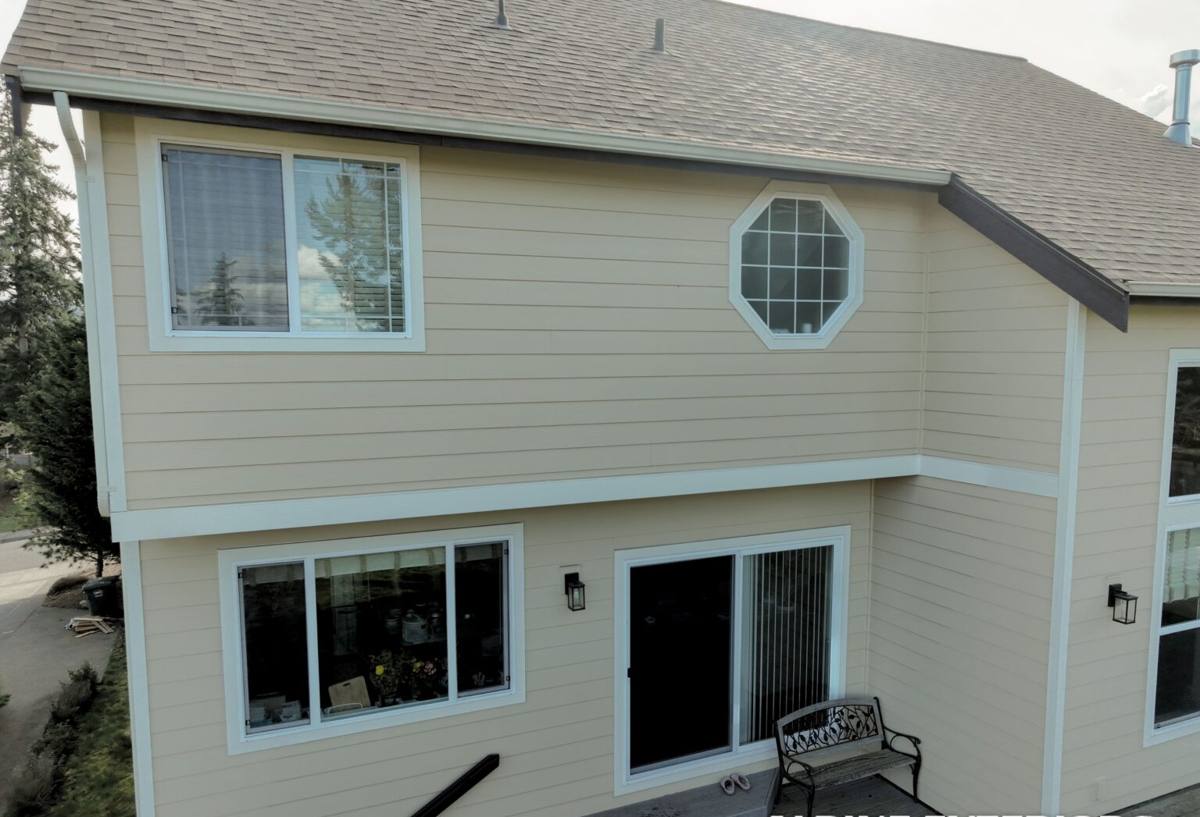
What Belleair Bluffs' Climate Does to a Roof
Wind Exposure
Because of its elevation relative to the water, Belleair Bluffs catches wind that flatter, more inland neighborhoods are partially shielded from. Over time, that steady wind load works shingle edges loose, stresses ridge caps, and finds any gap in flashing or fastening that wasn't installed to spec. During hurricane season, that same exposure means the margin for error on a marginal roof gets a lot smaller.
Salt Air Corrosion
Proximity to the Intracoastal means airborne salt settles on roofing metal — flashing, drip edge, exposed fasteners, vent caps — and accelerates corrosion compared to homes further from the water. Once a fastener or flashing seam starts to corrode, it stops doing its job long before it looks obviously "broken," which is why a lot of leaks in this area start as a slow, hard-to-notice failure rather than a sudden one.
UV Breakdown
Florida sun is intense almost every day of the year, and it's constantly baking the oils and asphalt binders out of shingles, drying out sealant strips, and making underlayment brittle. UV damage is cumulative — it doesn't show up as one event, it shows up as granule loss, curling, and cracking that gets worse every season.
Wind-Driven Rain
Straight-down rain is rarely the problem. Wind-driven rain gets pushed sideways and upward under shingle edges, around vents, and into any flashing gap that gravity-only water would never reach. This is the single biggest reason a roof can look fine from the ground and still be leaking into the attic.
Signs Your Belleair Bluffs Roof Needs Repair
Most roof damage in this climate is progressive, not sudden. Catching it early is almost always cheaper than waiting for a leak to show up on your ceiling.
- Missing, cracked, or curling shingles, especially after a windy stretch
- Granules collecting in gutters or at downspout outlets
- Dark streaks, soft spots, or discoloration on the roof surface
- Rusted, lifted, or visibly corroded flashing around chimneys, vents, or skylights
- Water stains on interior ceilings or upper walls
- Sagging sections of roof deck when viewed from a distance
- Daylight visible through the attic roof deck
- Higher-than-normal cooling bills, which can point to attic moisture or ventilation problems
If you're seeing any of these, it's worth having it looked at before the next storm rather than after.
What a Correct Roof Repair Actually Involves
A lot of roof repairs done wrong aren't wrong because of bad materials — they're wrong because a step got skipped. In a climate like this one, skipped steps show up as callbacks within a year or two.
Real Diagnosis, Not Guesswork
We start by finding the actual source of the problem, not just patching where the water is showing up inside. Water can travel a surprising distance along rafters and decking before it drips somewhere visible, so an accurate repair starts from the roof itself, not the ceiling stain.
Matching Materials and Techniques
Shingle color, profile, and even granule composition change between manufacturer runs and product lines. We match materials as closely as possible so a repair blends in rather than standing out as an obvious patch, and we use fastening and sealing methods appropriate to the wind exposure this area actually sees.
Flashing and Underlayment
Most persistent leaks trace back to flashing — around chimneys, walls, skylights, and vent penetrations — or to underlayment that's failed underneath intact-looking shingles. A repair that only replaces surface shingles without addressing compromised flashing or underlayment is a temporary fix at best.
Deck Condition
If water has been getting into the roof deck for any length of time, the plywood underneath can be softened or rotted. We check deck condition wherever we're doing repair work, because sealing up a roof over compromised decking just hides the problem instead of solving it.
Our Roof Repair Process
- Inspection and estimate. We assess the roof in person, identify the actual cause of the issue, and give you a clear, honest estimate before any work starts.
- Explain the findings. We walk you through what we found and what your realistic options are — repair, or in some cases, why a repair isn't the right call (more on that below).
- Repair the source, not just the symptom. That means addressing flashing, underlayment, and deck condition along with any visible shingle damage.
- Match materials. We use materials that match your existing roof as closely as possible, both for appearance and for proper performance with the rest of the roofing system.
- Clean up and final check. We clear debris and fasteners from the property and do a final check of the repaired area before considering the job done.
Repair or Replace? Honest Cost Factors
Not every roof problem needs a full replacement, but not every roof problem should be patched either. These are the factors we actually weigh when we're standing on your roof.
| Factor | Favors Repair | Favors Replacement |
|---|---|---|
| Age of roof | Under roughly 10-12 years | Near or past expected service life |
| Extent of damage | Isolated to one section or penetration | Widespread granule loss, multiple leak points |
| Deck condition | Solid, no rot found | Soft spots or rot in multiple areas |
| Leak history | First occurrence, clear single cause | Recurring leaks in different spots |
| Storm damage | Localized wind or debris damage | Widespread damage across large roof area |
We'll always tell you honestly which side of that line your roof falls on. A repair that's likely to fail again within a year isn't a good use of your money, and we won't sell it to you as one.
Working With Your Roofing Material
Belleair Bluffs homes are roofed in a mix of asphalt shingle, tile, and metal, and each responds differently to coastal conditions.
Asphalt Shingle
The most common roofing material in the area, and generally the most straightforward to repair section by section when damage is caught early. UV and wind are the two biggest factors in how long a shingle repair holds up.
Tile
Tile roofs are durable against UV but the underlayment beneath the tile is what actually keeps water out, and it has a finite service life. A lot of tile roof "leaks" are really underlayment failures showing through intact tile, which means the repair has to go under the tile, not just on top of it.
Metal
Metal roofing holds up well against wind but fastener and seam integrity matter even more near saltwater, since corrosion at a fastener or seam is usually where a metal roof leak starts.
Whatever material your home has, we repair it the way that material is actually built to be repaired — not with a one-size-fits-all patch.
Why Local Experience With Belleair Bluffs Roofs Matters
A roofing crew that regularly works this part of Pinellas County knows what to expect before they climb the ladder: the wind exposure this area sees, how fast salt air corrodes exposed metal here, and what local permitting and inspection requirements apply to roof repair work. That local knowledge shortens the diagnosis, avoids guesswork, and means the repair is built for the conditions your roof actually faces — not generic conditions from somewhere else in the state.
It also means faster response. When a storm rolls through and you need someone who already knows the area and isn't driving in from across the county, that local presence matters.
Maintaining Your Roof Between Repairs
A few habits go a long way toward stretching the life of a roof in this climate:
- Have the roof inspected after any significant storm, even if you don't see obvious damage
- Keep gutters clear so water isn't backing up under the roof edge
- Trim back overhanging branches that can abrade shingles in the wind
- Address small leaks or missing shingles promptly rather than waiting
- Check attic ventilation periodically — poor ventilation accelerates heat and moisture damage from the inside
If your Belleair Bluffs home has roof damage, a suspected leak, or you just want an honest opinion on its condition, we're glad to take a look. Reach out using the form below for a free, no-pressure estimate.