 Largo Siding
 Windows Built for a Barrier Island, Not Just a Florida Address
Belleair Beach sits directly on the Gulf, which means its homes take a different kind of beating than houses even a few miles inland in Largo. The same window that holds up fine in a shaded inland neighborhood can fail years early here — seals give out, frames chalk and pit, and hardware seizes with rust. When we talk about window replacement for this stretch of Pinellas County, we're really talking about matching the product and the installation to barrier-island conditions, not just swapping old glass for new.
That means accounting for sustained salt-laden air, sun exposure that runs close to year-round, wind-driven rain that hits horizontally during storms, and the real possibility of hurricane-force gusts. A window replacement done right here should still be doing its job in fifteen or twenty years. Done wrong, problems show up in three.
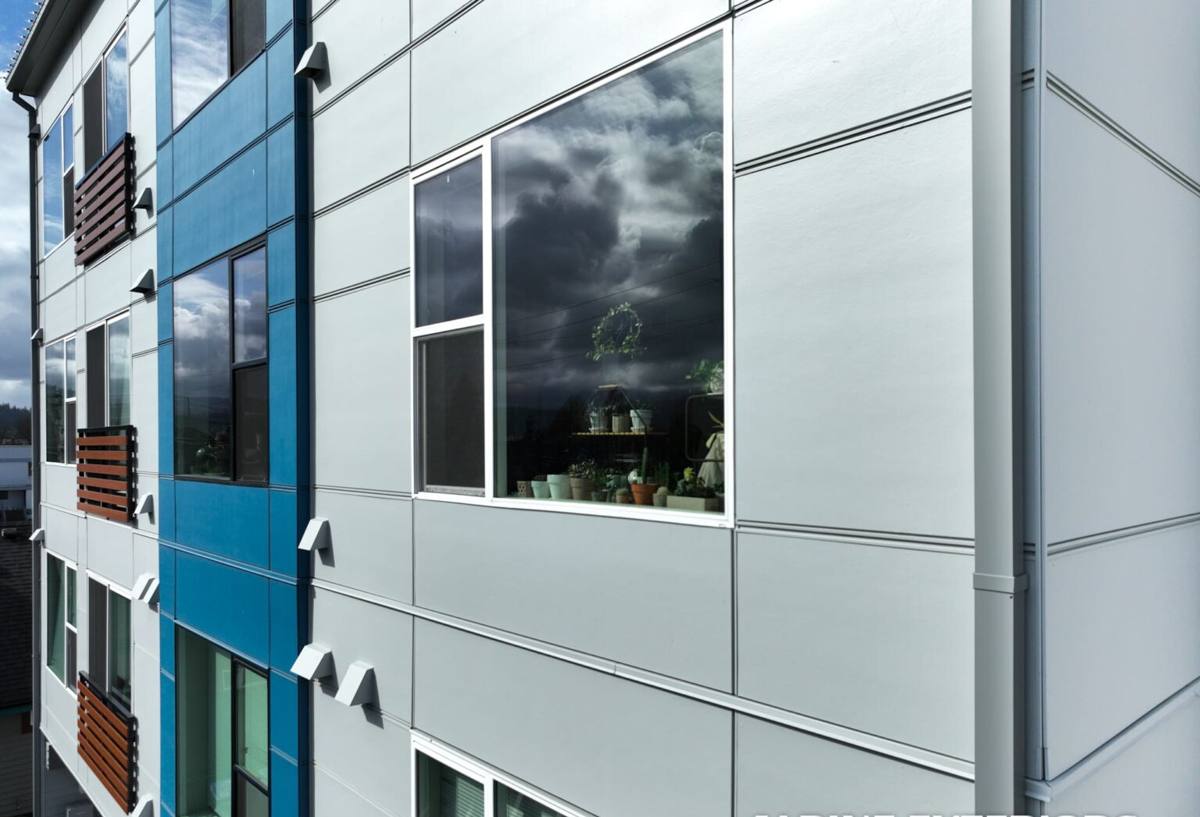
What the Local Climate Actually Does to Windows
Salt Air Corrosion
Airborne salt settles on and around window assemblies constantly on a Gulf-front street. It attacks unprotected metal hardware — hinges, locks, balance mechanisms, screws — and it degrades cheaper finishes on aluminum frames over time. Standard hardware not rated for coastal exposure can start corroding within a few seasons.
UV and Heat Cycling
Constant, intense sun breaks down vinyl and rubber seals faster than in northern climates. UV exposure is one of the biggest reasons window gaskets crack, glass seals fail, and vinyl frames yellow or go brittle well before their expected lifespan.
Wind-Driven Rain Intrusion
Storms here rarely bring rain straight down — it comes sideways, under pressure. If flashing, sealant, or the window's own drainage path isn't installed correctly, water finds its way behind the frame and into the wall assembly, where it causes damage long before anyone notices a stain inside.
Wind Load and Pressure Cycling
Even outside of a named storm, a beachfront home sees frequent high-wind events that flex and stress window frames and their anchoring. Windows and installations that aren't rated for the pressures this location generates loosen, leak, and fail sooner than their inland counterparts.
What a Correct Belleair Beach Window Replacement Requires
Given all of the above, we treat every Belleair Beach window job as a coastal installation, not a standard one. That shapes several decisions:
- Windows rated for the wind pressures this immediate coastal area sees, with documented Florida product approval for the intended wind zone
- Corrosion-resistant hardware and fasteners — not standard-grade components that will rust prematurely in salt air
- Proper flashing and sealant details around every opening, tied correctly into the existing wall assembly, so wind-driven rain can't get behind the frame
- Frame and glass packages suited to near-constant UV exposure, so seals and finishes last as long as the glass itself
- Attention to how the home is built — block, frame, or a mix — since anchoring and flashing methods differ by wall type
- Correct shimming and squaring so the window operates properly and doesn't rack under wind load over time
Impact-Resistant Glass vs. Windows Plus Shutters
Homeowners on the beach side of Largo generally choose between two approaches to storm protection, and both are legitimate — the right one depends on budget, how the home is used, and personal preference.
| Approach | How it works | Trade-offs |
|---|---|---|
| Impact-resistant windows | Laminated glass and a reinforced frame absorb and resist debris impact without any separate covering | Higher upfront cost per opening; no storm-prep labor before a hurricane; typically a cleaner look year-round |
| Standard windows plus shutters or panels | Non-impact glass is protected by separate hurricane shutters, panels, or accordion systems installed before a storm | Lower window cost, but shutters need to be deployed and stored, add their own maintenance, and change the home's appearance when closed |
Either approach can satisfy the wind-borne debris protection that homes in this part of Pinellas County are required to have at the point of replacement — the difference is convenience, appearance, and long-term cost, not one being objectively "better" in every case. We'll walk through both honestly based on your home and budget rather than pushing one option.
Frame Material Matters More on the Coast
| Frame material | Coastal performance |
|---|---|
| Vinyl | Won't corrode; quality matters — lower-grade vinyl can become brittle under heavy UV exposure faster than a well-made product |
| Aluminum | Strong and slim-profile, but requires marine-grade coatings and coastal-rated hardware to resist salt air corrosion long-term |
| Fiberglass | Very stable in heat and UV with minimal expansion/contraction, generally at a higher price point |
We don't push a single material on every homeowner. We do steer clients away from budget-grade products that aren't built for sustained salt exposure and constant sun — not because a given brand is bad, but because that category of product carries a higher maintenance burden and shorter realistic lifespan in this specific environment. That's a standard we hold to on every coastal job, not a knock on any one manufacturer.
Our Process for a Belleair Beach Job
1. On-Site Assessment
We look at each opening individually — wall construction, current flashing condition, sun exposure, and any existing moisture or corrosion issues — before recommending anything.
2. Product Selection and Measurement
We help you weigh impact glass against shutters, compare frame materials, and land on a spec sheet you actually understand before we order anything. Precise measurements are taken for every opening; no two windows on an older Florida home are guaranteed to be identical.
3. Permitting
Window replacement in Largo and unincorporated Pinellas County requires a permit, and coastal openings need to meet current Florida Building Code wind and impact requirements. We handle the permit process and the inspection that follows.
4. Removal and Prep
Old windows come out carefully to protect surrounding stucco, siding, or drywall. We inspect the rough opening for hidden water damage or rot before anything new goes in — a problem worth catching now, not after the new window is sealed over it.
5. Installation, Flashing, and Sealing
This is where most of the long-term performance is won or lost. Correct flashing integration, coastal-rated sealants, and proper anchoring are what actually keep wind-driven rain out — the window product itself is only half the equation.
6. Final Inspection and Walkthrough
We check operation, seals, and finish on every opening with you before considering the job done, and we make sure the permit closes out properly.
A Quick Pre-Hire Checklist
Before hiring anyone for coastal window work in this area, it's worth confirming:
- They pull permits and handle inspections rather than asking you to skip that step
- They can explain, in plain terms, what wind pressure and impact rating your specific openings need
- They use corrosion-resistant fasteners and hardware, not standard interior-grade components
- They inspect the rough opening for hidden damage before installing, not just the visible window
- They're licensed and carry current insurance, and will show you proof without being asked twice
- They have actual experience with barrier-island homes, not just inland Largo or Clearwater work
Why Local, Coastal-Specific Experience Matters Here
A crew that regularly works Belleair Beach already knows the practical realities: narrow beach-access streets, tight lot lines, limited staging space, and in some cases HOA or condo association requirements that affect exterior work. They also know how quickly salt air and sun punish a bad installation, which changes how carefully flashing and sealant work gets done in the first place. That familiarity shows up in fewer surprises during the job and windows that actually perform the way they're rated to for the long haul.
It also matters for permitting. Requirements can vary in the details between what Largo's permitting office expects and what unincorporated Pinellas County coastal areas require, and getting that wrong causes delays. A crew that's pulled these permits before knows exactly what documentation is expected up front.
What Drives the Cost of a Coastal Window Replacement
| Factor | Why it changes the price |
|---|---|
| Impact glass vs. shutters | Impact-rated windows cost more per unit upfront but eliminate separate shutter hardware and storm-prep labor |
| Frame material | Vinyl, aluminum, and fiberglass carry different material costs and different long-term maintenance needs |
| Number and size of openings | Larger openings and full-house replacements have different per-window economics than a handful of replacements |
| Wall construction and access | Block vs. frame construction, and how easy an opening is to reach, both affect labor time |
| Existing damage | Rot or moisture damage found in the rough opening during removal adds repair scope beyond the window itself |
Costs vary enough by home and scope that we don't quote sight-unseen — a short on-site look lets us give you real numbers instead of a broad guess that doesn't hold up once we see the actual openings.
Get a Straight Answer for Your Home
If you're weighing window replacement for a Belleair Beach property, we're happy to take a look, explain what your specific openings need given the exposure and construction, and give you a clear, honest estimate — no pressure, no upsell script. Fill out the form below to get started.