 Largo Siding
 Composite Decking on a Barrier Island: Why Belleair Beach Is a Different Job
Belleair Beach sits right on the water, which means any deck here is living in a harsher environment than one a few miles inland in Largo. Salt-laden air, near-constant humidity, intense UV exposure almost every day of the year, and the risk of hurricane-force wind and wind-driven rain during storm season all work on a deck at the same time. None of that is unique to any one house — it's the baseline condition for every property on this stretch of Pinellas County coastline.
Composite decking is a good match for that environment when it's specified and installed correctly, because unlike wood it won't rot, split, or host wood-boring insects. But composite is not maintenance-free or install-proof. The board itself resists moisture and sun better than lumber, but the substructure underneath it, the fasteners holding it down, and the way the whole system is put together still have to be built for salt air and wind — and that's where a lot of decking problems on the coast actually start.
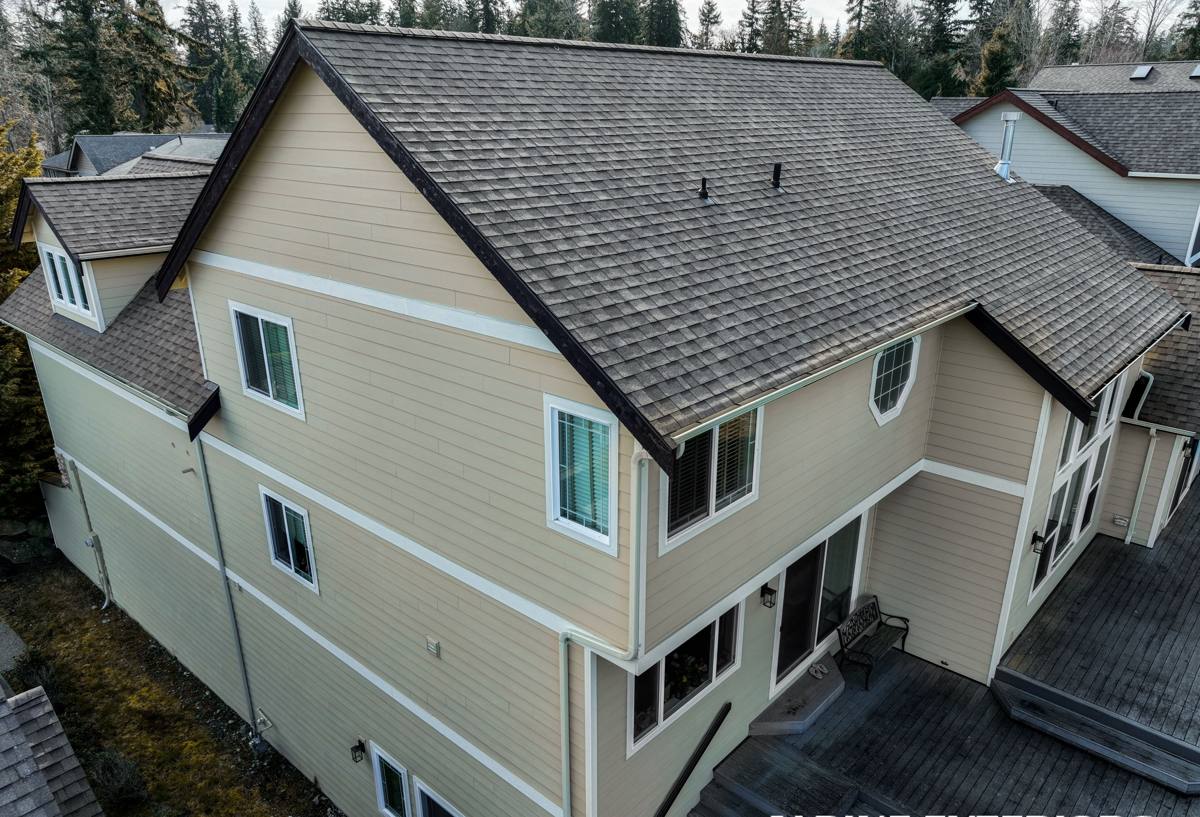
What Belleair Beach Homes Actually Need From a Deck
Salt Air and Corrosion
Airborne salt accelerates corrosion on anything metal — fasteners, brackets, joist hangers, post connectors. On a barrier island property, standard-grade hardware can start showing surface corrosion well before it would inland. That doesn't mean the deck is failing; it means the hardware wasn't matched to the environment. Correct coastal installation uses stainless steel or marine-grade coated fasteners and connectors throughout, not just at the visible surface.
UV and Heat
Florida sun is intense and consistent year-round, and a deck facing open water or open sky gets full exposure most of the day. Composite boards vary a lot in how well they hold color and resist surface fading under that kind of UV load. Cheaper or older-generation composite products can fade unevenly or chalk on the surface within a few years; better capped products are engineered specifically to resist that.
Wind and Storm Loads
Pinellas County, including Belleair Beach, sits in a high-wind design zone. A deck's framing, post connections, and ledger attachment to the house need to be built to resist uplift and lateral load, not just support the weight of people standing on it. This is a structural engineering question as much as a decking question, and it's where a lot of older or budget decks in coastal areas are actually under-built.
Wind-Driven Rain and Moisture Intrusion
Storms here don't just bring rain — they push it sideways into ledger connections, stair stringers, and anywhere the deck meets the house. Composite boards handle standing moisture fine, but the ledger-to-house connection and any framing tucked against the structure need proper flashing so water doesn't track into the wall behind the deck.
Board Selection: Capped vs. Uncapped Composite
Composite decking comes in two broad categories, and the difference matters more on a barrier island than almost anywhere else in the county.
Uncapped composite is a wood-fiber-and-plastic blend with no protective outer layer. It's more affordable but the exposed fiber can absorb moisture at the surface over time, and it's more prone to staining, mold growth in humid shade, and UV fading. In a high-humidity, high-salt environment, that wear shows up faster than it would in a drier inland climate.
Capped composite has a polymer shell wrapped around the wood-fiber core on some or all sides. That shell is what actually resists moisture absorption, staining, and UV fading — the core material inside is similar, but it's protected. For Belleair Beach conditions, we standardize on fully capped boards. It costs somewhat more upfront, but it's the difference between a deck that still looks decent in year eight and one that's visibly faded, stained, or fuzzy at the edges by then. We'll walk through specific manufacturers and their warranty terms during your estimate rather than recommend blind — the right product depends on your budget, sun exposure, and how the deck will be used.
What a Correctly Installed Composite Deck Involves
- Structural assessment — checking existing framing (on a rebuild) or designing new framing sized for wind uplift and local load requirements, not just span tables for a standard interior deck.
- Ledger and flashing — proper flashing where the deck attaches to the house, so wind-driven rain can't work its way behind the ledger board into the wall assembly.
- Coastal-grade fasteners and hardware — stainless or marine-rated hardware at every connection point, not just the visible screws in the deck surface.
- Ventilation under the deck — enough airflow beneath the boards so moisture doesn't sit trapped against the substructure, which matters more in a humid coastal climate than an arid one.
- Board installation per manufacturer spec — correct gapping for thermal expansion (composite moves more with heat than people expect), proper fastener spacing, and hidden-fastener systems installed so boards don't work loose under wind load.
- Edge and end treatment — cut ends of composite boards sealed or capped per manufacturer instructions where required, since a cut edge on uncapped or partially capped board is a moisture entry point if left untreated.
Our Process, Start to Finish
We keep the process straightforward because homeowners on the beach usually just want a clear answer on scope, timeline, and cost without a sales pitch.
- On-site walkthrough: we look at the existing deck or the space for a new one, check for any moisture or structural issues if it's a replacement, and talk through how you actually use the space.
- Written estimate: board options, hardware spec, and a clear price — no vague allowances.
- Permitting: we handle the permit application with the local building department where required, including any structural documentation for wind load.
- Demo (if replacing): removal of the old deck surface and inspection of the framing underneath before we build on it.
- Framing and installation: built to coastal hardware and fastening standards, not generic inland specs.
- Final walkthrough: we go over the finished deck with you, including basic care specific to the board you chose.
Cost Factors to Expect
Composite decking costs more upfront than pressure-treated wood, but the calculation on a barrier island property should include long-term maintenance and replacement cycles, not just the initial number.
| Factor | Why It Moves the Price |
|---|---|
| Board tier (uncapped vs. fully capped) | Fully capped boards cost more per square foot but hold up significantly better against salt air and UV |
| Substructure condition | A rebuild with rotted or undersized existing framing costs more than building on sound framing |
| Fastener and hardware grade | Stainless and marine-rated hardware costs more than standard galvanized, but corrodes far slower this close to the water |
| Deck size and layout | Multiple levels, stairs, built-in seating, or custom railing all add labor and material |
| Railing system | Composite or aluminum railing to match the deck adds cost versus basic wood railing |
| Permitting and engineering | Structural documentation for wind load can add a line item, especially on larger or elevated decks |
We'll give you an itemized estimate that breaks these out, so you can see exactly where the money is going and make informed decisions about where to spend and where to save.
Maintenance That Actually Matters Here
Composite decking is genuinely lower-maintenance than wood, but "low-maintenance" isn't "no-maintenance," especially in a coastal environment. A short routine keeps a capped composite deck looking and performing well for years:
- Rinse the deck surface periodically to remove salt residue, sand, and airborne grit before it builds up
- Wash with mild soap and water a few times a year, more often if it sits in heavy shade or under trees
- Keep gutters and downspouts near the deck clear so runoff doesn't pool against the ledger or posts
- Check railing and stair connections annually for any looseness, since wind and thermal cycling can work fasteners over time
- Inspect under-deck hardware every year or two for any early corrosion, particularly after storm season
- Avoid pressure-washing at high PSI directly into board seams or fastener heads, which can force water where it shouldn't go
Why It Matters That We Already Work Belleair Beach
A contractor who mostly builds decks well inland can still do competent work, but they're often making the coastal-specific decisions — hardware grade, flashing detail, board selection — for the first time on your project. A crew that regularly works Belleair Beach and the rest of the Pinellas County coastline has already worked through those decisions on other decks facing the same salt air, the same sun, and the same storm exposure. That shows up in small but consequential choices: which fastener spec to actually use, how much ventilation to leave under the boards, and which board lines have held up versus which ones haven't in this specific climate.
It also matters for permitting and local wind-load requirements — knowing what the local building department expects on a coastal property saves time and avoids delays that come from a plan getting kicked back for missing documentation.
Get a Straight Answer on Your Deck
Whether you're replacing an aging deck or building a new one, we'll come out, look at your specific situation, and give you a clear, no-pressure estimate — including honest input on board selection for your sun exposure and how you plan to use the space. Reach out through the form below to get started.