 Largo Siding
 Asphalt Shingle Roofing for Palm Harbor Homes
Palm Harbor sits close enough to the Gulf that homes here take a different kind of beating than roofs a few miles inland. Between hurricane-force wind events, sun that doesn't let up for most of the year, wind-driven rain that finds every weak seam, and salt-laden air working on fasteners and flashing, an asphalt shingle roof in this part of Pinellas County has to be installed with the local conditions in mind, not just to a generic building-code minimum. We install and repair asphalt shingle roofs on homes in and around Palm Harbor, and this page covers what that actually involves — what the climate does to a roof, what a correct installation looks like, and how our process works from the first estimate to final cleanup.
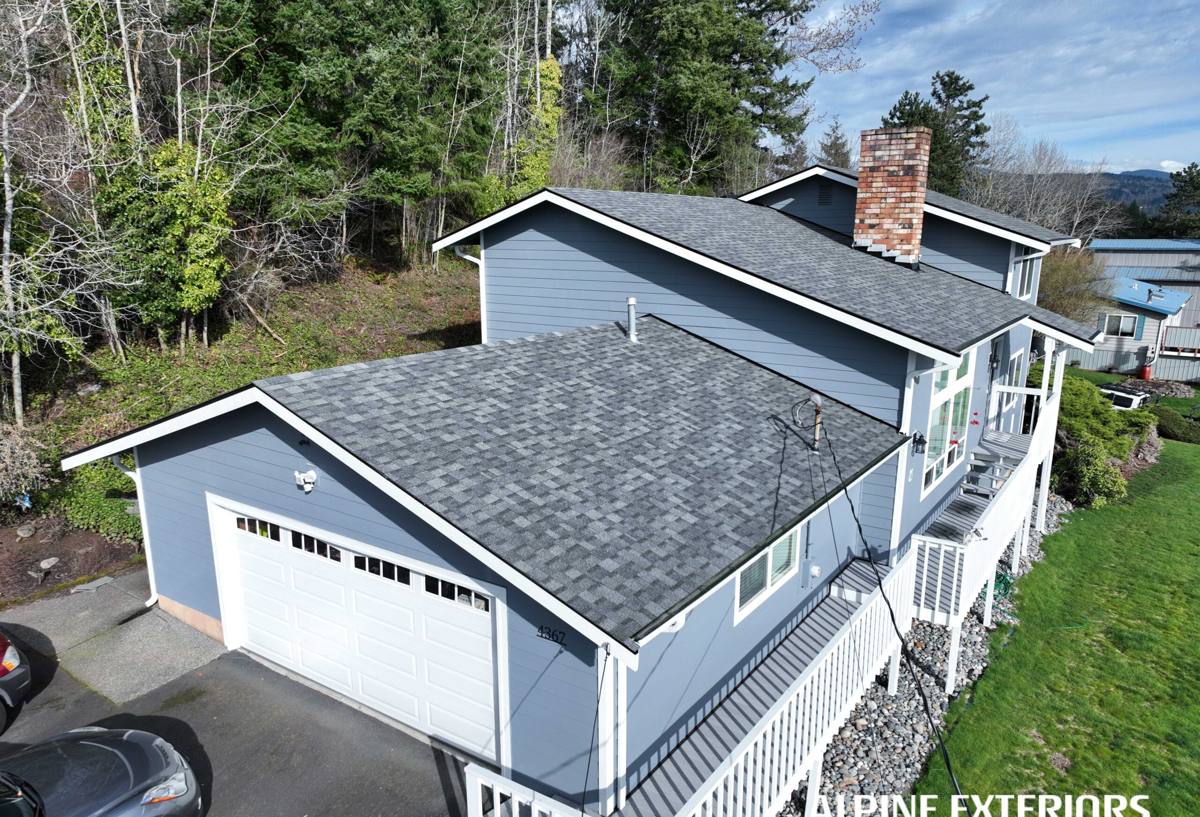
What Palm Harbor's Climate Does to a Shingle Roof
Every roofing material has a set of stresses it's built to handle, and every roofing material eventually shows wear in the places where it's weakest. On the Gulf Coast side of Pinellas County, four factors drive most of the shingle failures we see:
Wind
Hurricane-force wind events don't just risk catastrophic damage in a direct hit — repeated exposure to strong seasonal wind, gusts off tropical systems that pass well offshore, and everyday thunderstorm outflow all work on shingle tabs and fastener lines over time. A shingle that isn't sealed and nailed correctly on day one is the shingle that lifts first, and once a tab lifts, wind gets underneath the whole course.
UV exposure
Central Florida gets intense, nearly year-round sun. UV breaks down the asphalt binder in a shingle over time, which is why granule loss and brittleness show up faster here than in cooler climates. This is a normal aging process, but it's accelerated in this region, which is part of why shingle quality and proper attic ventilation both matter more here than in a milder climate.
Wind-driven rain
Rain that falls straight down is easy for a roof to shed. Rain that's being pushed sideways by wind is a different problem — it can work its way up under shingle edges, around vent boots, and into any flashing detail that isn't sealed and lapped correctly. Most of the interior leaks we get called out for trace back to a wind-driven rain event finding a detail that was installed a little loose, not to the shingle field itself failing.
Salt air
Homes closer to the coast deal with airborne salt that accelerates corrosion on exposed metal — roofing nails, flashing, vent stacks, and drip edge. Corroded fasteners lose their grip over time, which is one more reason fastener quality and nailing pattern matter as much as the shingle brand on a coastal Pinellas County roof.
Choosing the Right Shingle for a Coastal Pinellas County Home
Not every asphalt shingle is rated the same way, and the difference matters more here than in a lot of the country. We generally steer homeowners toward architectural (dimensional) shingles with a higher wind rating over basic 3-tab product, for straightforward, honest reasons: they're heavier, they have a stronger nailing zone, and their layered design holds up better against both wind uplift and UV degradation over the life of the roof.
| Shingle Type | Typical Wind Rating | Best Fit |
|---|---|---|
| 3-tab shingle | Lower wind rating, lighter weight | Budget-driven projects on less wind-exposed sections |
| Architectural shingle | Higher wind rating, heavier construction | Most Palm Harbor homes; better UV and impact durability |
| Impact-rated architectural shingle | Highest wind rating; reinforced mat | Homes wanting maximum durability or insurance credit consideration |
Color and style matter for curb appeal, but on this coast we treat the wind rating and the shingle's warranty structure as the more important decision. We'll walk through the realistic options for your roof, your budget, and your HOA requirements if applicable, without pushing a specific brand for its own sake.
What a Correct Asphalt Shingle Installation Involves
The shingle itself is the most visible part of a roof, but it's only one layer in a system. A roof that fails early almost always failed because a layer underneath the shingle was rushed or skipped — not because the shingle itself was bad.
Underlayment
A synthetic or felt underlayment goes down over the deck before any shingle is installed. This is the roof's backup layer of protection if wind ever drives rain up under a shingle edge, and in a wind-driven rain climate like this one, it's not optional.
Drip edge and flashing
Metal drip edge at the eaves and rakes directs water off the roof instead of letting it wick back under the edge. Flashing around chimneys, walls, skylights, and roof-to-wall transitions is where the majority of leaks originate on any roof — these details need to be lapped correctly and sealed, not just caulked over.
Nailing pattern and fastener quality
Manufacturers specify a nailing pattern and nail count for a reason, and high-wind zones typically call for more fasteners per shingle, placed in the correct nailing zone. Corrosion-resistant fasteners matter here given the salt air — a nail that rusts and loses its grip years down the road is a future lifted shingle.
Ventilation
Proper intake and exhaust ventilation keeps attic heat and moisture from building up under the deck. Poor ventilation shortens shingle life from underneath — heat trapped in the attic accelerates the same UV-driven aging that's already happening on top of the roof, and trapped moisture can rot the deck itself.
Valleys and penetrations
Roof valleys concentrate a lot of water in a short amount of time, and every pipe, vent, and stack penetration is a potential entry point. These get their own flashing and sealing details, done to keep them watertight under wind-driven rain specifically, not just under a garden hose test.
Our Process, Start to Finish
1. Inspection and estimate
We look at the current roof condition, deck condition where accessible, ventilation, and any problem areas — not just the shingle surface. You get a clear, written estimate with no pressure to sign on the spot.
2. Material selection
We go over shingle options, wind ratings, and color choices together, matched to your budget and how exposed your roof is.
3. Tear-off and deck check
Old roofing comes off down to the deck, and we check the deck itself for soft spots or damage before anything new goes down. Covering a bad deck with new shingles just hides a problem instead of fixing it.
4. Underlayment, flashing, and shingle installation
Each layer goes down in the correct order and to manufacturer spec — underlayment, drip edge, flashing, then shingles with the correct nailing pattern for the wind exposure.
5. Ventilation check
We confirm intake and exhaust ventilation is adequate for the attic space, and address it if it isn't.
6. Cleanup and walkthrough
We clear debris and nails from the property, including a magnetic sweep, and walk the finished roof with you before we consider the job done.
Roof Replacement vs. Repair: When Each Makes Sense
Not every roof problem means a full replacement, but a repair on a roof near the end of its service life can end up being money spent twice. Here's generally how we think through it with homeowners:
| Factor | Repair Usually Makes Sense | Replacement Usually Makes Sense |
|---|---|---|
| Roof age | Well under expected shingle lifespan | At or near the end of its expected lifespan |
| Damage extent | Isolated area (one slope, one flashing point) | Widespread granule loss, multiple leak points |
| Storm history | Minor, localized wind or debris damage | Repeated storm exposure with cumulative wear |
| Deck condition | Deck is sound | Deck shows rot or soft spots in multiple areas |
| Underlying system | Underlayment and flashing still intact | Older underlayment past its own service life |
We'll always tell you honestly which side of that line your roof falls on, including when a repair is the right call and a full replacement isn't necessary yet.
Maintenance Checklist for Homeowners
A little regular attention extends the life of any shingle roof, especially in a climate that's actively working against it year-round. Between professional inspections, homeowners can keep an eye on:
- Granules collecting in gutters or at downspout outlets, which can signal accelerating shingle wear
- Shingle tabs that look lifted, curled, or cracked, especially after a windy storm
- Visible rust streaking near flashing, vent stacks, or fasteners
- Soft or discolored ceiling spots inside the home, which often trace back to a roof leak before it's visible from outside
- Debris, leaves, or standing water pooling in valleys or against flashing
- Gutters and downspouts kept clear so water actually leaves the roof instead of backing up under the edge
- An inspection after any major wind event, even if there's no obvious visible damage from the ground
Why Hire a Crew That Already Works Palm Harbor
A shingle installed to a generic national standard and a shingle installed for this specific coastline aren't the same job, even if they look identical from the street. Crews that regularly work Pinellas County's coastal side already know where wind uplift tends to start, which flashing details cause callbacks in wind-driven rain, and how salt air shortens the working life of the wrong fastener. That familiarity shows up in fewer surprises during the job and a roof that's built for the conditions it actually has to survive, not just the conditions a spec sheet assumes. It also means being reachable locally if a storm rolls through and you need someone to look at your roof quickly, not a call center in another state.
Get a Free Estimate
If you're dealing with an aging shingle roof, storm damage, or just want an honest read on where your roof currently stands, we're glad to take a look. Reach out for a free, no-pressure estimate using the form below, and we'll walk you through what we find and what your realistic options are.