 Largo Siding
 Asphalt Shingle Roofing Built for Indian Rocks Beach Conditions
Indian Rocks Beach sits close enough to the Gulf that every roof on the barrier island and the surrounding mainland neighborhoods deals with a harder version of Florida weather. Homes here take on stronger wind gusts off open water, near-constant UV exposure, salt-laden air, and the kind of wind-driven rain that finds every weak seam in a roofing system. An asphalt shingle roof that would hold up fine forty miles inland can wear out faster here if it wasn't installed with these specific conditions in mind. This page covers what that means for your roof, what a correct installation actually involves, and how we approach shingle roofing jobs for homeowners in this part of Pinellas County.
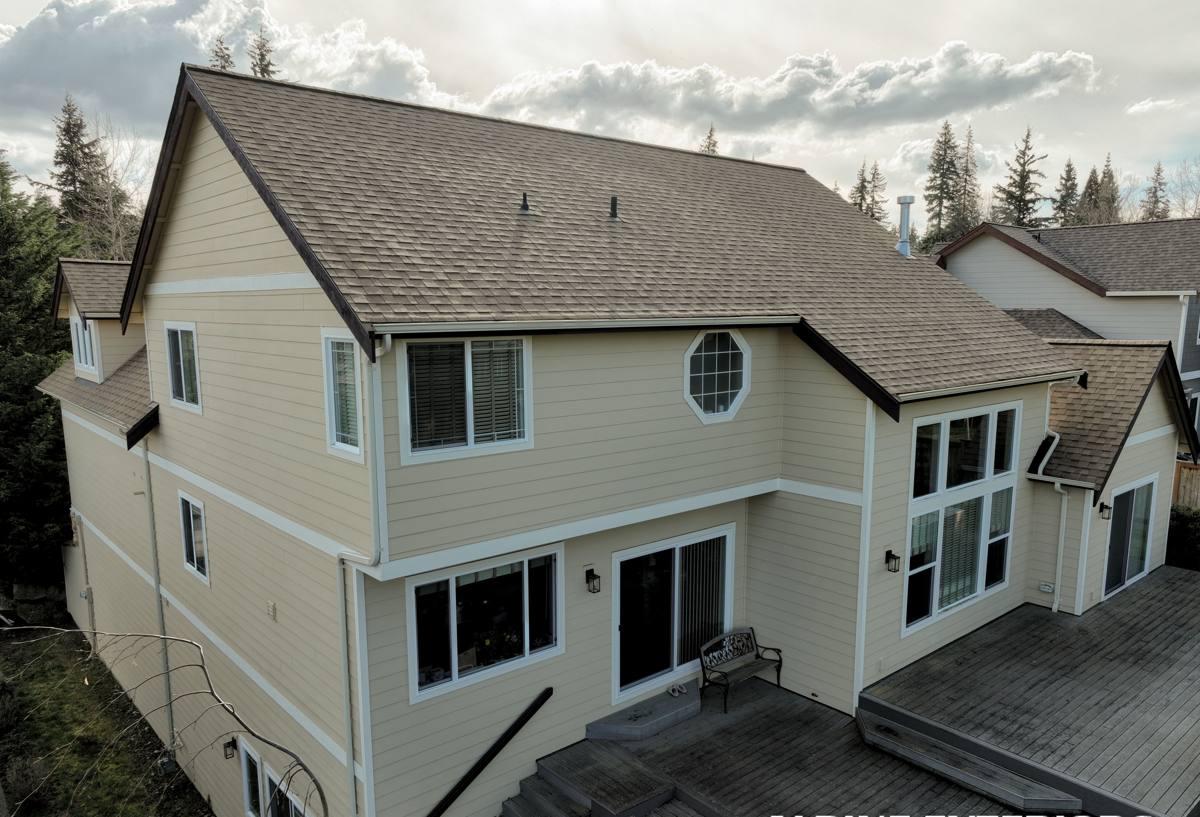
What Coastal Conditions Do to a Shingle Roof
The damage doesn't usually show up as one dramatic event. It's cumulative — small stresses that build over years and eventually show up as leaks, lifted shingles, or a roof that fails inspection when you go to sell.
Wind Uplift
Hurricane-force gusts put direct upward pressure on shingle edges and ridgelines. If the nailing pattern, shingle wind rating, or starter strip wasn't matched to the exposure this close to the water, wind gets underneath the shingle tabs first. Once one shingle lifts, the ones around it are more likely to follow.
UV and Heat Cycling
Florida sun beats down on a roof deck nearly year-round, and asphalt shingles absorb a lot of that heat. Constant expansion and contraction dries out the asphalt over time, which is what eventually leads to granule loss, curling edges, and brittle shingles that crack instead of flexing in high wind.
Salt Air
Being close to the Gulf means airborne salt settles on every exterior surface, including the roof. Salt exposure accelerates corrosion on exposed metal — nail heads, flashing, vent boots, and drip edge — well before it would corrode further inland. Corroded flashing is one of the most common sources of a roof leak that has nothing to do with the shingles themselves.
Wind-Driven Rain
Ordinary rain falls straight down. Storm-driven rain near the coast comes in sideways and even works its way slightly uphill under shingle edges and around penetrations. This is why underlayment quality and flashing detail work matter as much as the shingles you choose — a roof can have great shingles and still leak if the layers underneath weren't installed correctly.
What a Correct Installation Actually Includes
A shingle roof is a system, not a single product. Every layer has a job, and skipping or shortcutting one is where most premature failures start.
- Deck inspection and repair — any soft, rotted, or delaminated plywood gets replaced before anything goes back on, not covered over.
- Underlayment — a synthetic or self-adhering underlayment rated for wind-driven rain, installed with proper overlap.
- Drip edge and flashing — corrosion-resistant metal at eaves, rakes, valleys, and every wall or chimney intersection.
- Starter strip — a dedicated starter course along eaves and rakes, not cut-down field shingles, so the first row has proper adhesive coverage and wind resistance.
- Shingles — installed to the manufacturer's nailing pattern for the wind zone, not a generalized pattern used everywhere.
- Ventilation — adequate intake and exhaust airflow so the attic doesn't cook the underside of the deck and shingles from below.
- Sealant and boot replacement — new pipe boots and sealant at every penetration, since old sealant is a common leak point during any roof work.
Choosing a Shingle for This Climate
Not every asphalt shingle is built the same way, and the right choice for Indian Rocks Beach isn't always the cheapest one on the shelf.
Wind Rating
Shingles are rated for maximum sustained wind speed based on installation method. Given the exposure here, we install shingles rated appropriately for the local wind zone under the Florida Building Code, with the nailing pattern that rating depends on — a shingle is only as wind-resistant as its installation.
Algae and Streak Resistance
Florida's humidity encourages algae growth that shows up as dark streaking on roofs, especially on north-facing slopes that stay damp longer. Shingles with algae-resistant granules hold their appearance longer in this climate.
Color and Heat
Lighter shingle colors reflect more heat, which can modestly ease the load on attic temperatures and cooling costs. It's a smaller factor than ventilation or insulation, but worth weighing against the look you want for the home.
Cost Factors on a Shingle Roofing Project
Every roof is different, so we don't quote a job without seeing it. But the factors that move a price up or down are consistent, and knowing them ahead of time helps you evaluate any estimate you get.
| Factor | Why It Matters | Cost Impact |
|---|---|---|
| Roof pitch and access | Steeper roofs and limited ground access slow the crew and require more safety equipment | Moderate |
| Number of existing layers | Tear-off of multiple old layers takes more labor and disposal than a single-layer roof | Moderate to significant |
| Decking condition | Rotted or delaminated plywood must be replaced before shingles go on | Variable, found during tear-off |
| Shingle class chosen | Higher wind-rated and algae-resistant shingles cost more than base-grade product | Modest to moderate |
| Ventilation upgrades | Adding or correcting intake/exhaust vents improves roof life but adds material and labor | Modest |
| Roof complexity | Valleys, dormers, chimneys, and skylights all add flashing detail work | Moderate |
Our Process for Roofing Projects in Indian Rocks Beach
We walk every job the same way, whether it's a repair or a full replacement.
- On-site inspection — we get on the roof, check the deck where accessible, look at flashing and ventilation, and take photos of anything that needs attention.
- Written estimate — a clear scope of work and materials, so you know exactly what you're paying for before anything starts.
- Permitting — roof replacements in Pinellas County require a building permit; we handle that paperwork and schedule the required inspections.
- Tear-off and deck check — old roofing comes off down to the deck, and any damaged plywood is identified and replaced.
- Underlayment, flashing, and shingle installation — installed in the order and pattern the manufacturer and wind rating require.
- Cleanup and final walkthrough — magnetic sweep for nails, debris hauled off, and a walkthrough so you can see the finished work before we consider the job done.
Repair or Replace: Signs Worth Checking
Not every roofing problem means a full replacement. But some signs point to a roof that's past the point where patching makes sense.
- Shingles that are curling, cupping, or missing granules in large patches
- Multiple soft spots or visible sagging when you walk the roofline visually from the ground
- Leaks showing up in more than one location around the home
- Shingles lifted or torn loose after a windstorm
- Visible daylight through the attic decking
- A roof already near or past the manufacturer's expected service life
- Flashing that's visibly rusted, cracked, or separating from the roof surface
If you're only seeing one or two of these in a limited area, a repair may be the right call. If several apply, or the roof is old enough that repairs would just be delaying the inevitable, we'll tell you that honestly rather than patch a roof that needs to come off.
Maintenance That Extends a Coastal Roof's Life
Salt air and sun exposure mean coastal roofs benefit from a bit more attention than roofs further inland. A yearly visual check after storm season, keeping gutters and valleys clear of debris so water doesn't pool, and having flashing and sealant checked every few years for salt corrosion all go a long way toward avoiding surprise leaks. None of this requires a major service contract — it's a short list that catches small issues before they become deck damage.
Why It Matters to Hire a Crew That Already Works This Area
Roofing rules and realities shift depending on where you are. A crew that regularly works Indian Rocks Beach and the surrounding Largo area already understands the Pinellas County permitting process, the wind requirements that apply here, and the logistics of working on a barrier island — narrower streets, limited staging space, and neighbors close by. That familiarity shows up in fewer surprises during the project: permits move faster because we know what the county expects, and the crew isn't guessing at wind-rating requirements for the first time on your roof. It's a smaller advantage on paper than it is in practice, but it's the difference between a job that goes smoothly and one that stalls on avoidable delays.
If your roof is showing wear, took a hit from recent weather, or you're just planning ahead, we're happy to take a look and give you a straightforward, no-pressure estimate. Use the form below to get started.