 Largo Siding
 Siding in St. Petersburg Has to Work Harder Than Siding Almost Anywhere Else
Homes in and around St. Petersburg sit close enough to the Gulf and Tampa Bay that the exterior envelope takes a beating most of the country never deals with. Wind-driven rain finds every gap in a poor installation. Salt-laden air accelerates corrosion on fasteners and trim. Year-round UV bakes paint and cheaper siding surfaces until they chalk, fade, or crack. And when a tropical system rolls through Pinellas County, siding isn't just cosmetic — it's part of what keeps water out of the wall assembly during the worst weather of the year.
That combination is why we don't treat siding as a one-size-fits-all product. What holds up on a house in the Midwest can fail early on a home a few miles from St. Petersburg's shoreline. This page covers what fiber cement siding needs to do in this specific climate, what a correct installation actually involves, and why we've standardized on one manufacturer instead of offering a menu of options.
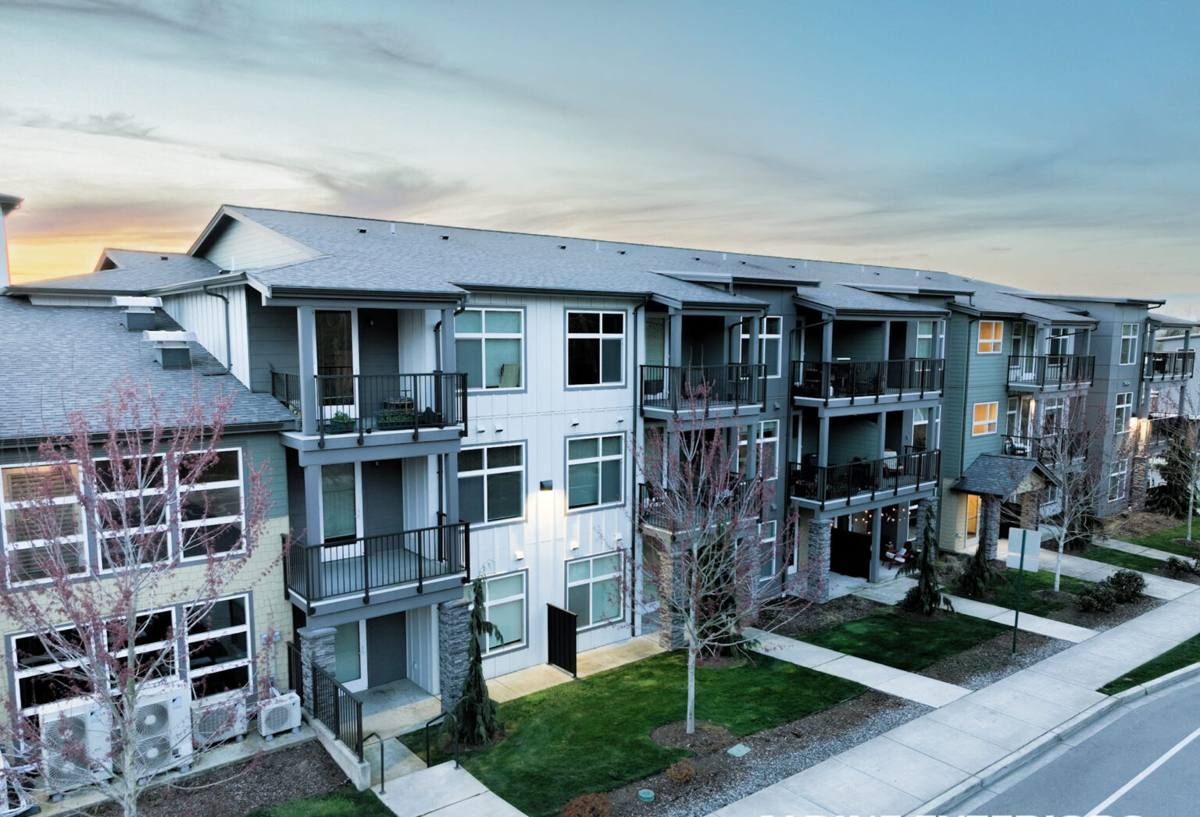
What St. Petersburg's Climate Actually Does to Siding
Wind
Even outside a named storm, Pinellas County sees regular high-wind events off the Gulf. Siding has to be rated and fastened to resist uplift, not just look good on a calm day. Under-fastened or improperly nailed panels are one of the most common causes of siding failure we see after a windstorm — the material itself was fine, the installation wasn't.
Wind-driven rain
Rain that comes in sideways during a squall doesn't behave like a normal shower. It gets forced up under laps, around trim, and into any joint that wasn't flashed correctly. A siding system depends as much on the water-resistive barrier, flashing, and joint treatment behind it as it does on the panels themselves.
UV exposure
St. Petersburg gets sun nearly every day of the year. Site-applied paint on wood or engineered wood siding breaks down faster here than in cooler, cloudier climates, which means more frequent repainting to keep the surface protected.
Salt air
Being close to saltwater means airborne salt settles on exterior surfaces and accelerates corrosion of fasteners, flashing, and metal trim. Materials and hardware that aren't rated for coastal exposure corrode faster here than the same products would inland.
Why We Install James Hardie Fiber Cement — and Nothing Else
We get asked regularly why we don't offer vinyl, LP SmartSide, or other engineered wood products alongside fiber cement. The honest answer is that we've seen how each of those materials performs in this specific climate over time, and we'd rather stand behind one system we trust completely than offer a menu that includes products we wouldn't put on our own homes.
HZ5 — Engineered for This Climate Zone
James Hardie makes region-specific product formulations called HZ (HardieZone) products, and HZ5 is engineered for hot, humid climates with high moisture exposure — exactly the conditions Pinellas County homes deal with. It's not a generic siding product with a Florida label slapped on it; the fiber cement formulation itself accounts for humidity and moisture cycling.
ColorPlus Technology
Rather than relying on site-applied paint, Hardie's ColorPlus finish is baked on in a factory-controlled process, which gives it far better UV and fade resistance than a coat of paint applied on a job site. In a market with St. Petersburg's sun exposure, that difference shows up years sooner than homeowners expect with painted alternatives.
Non-Combustible
Fiber cement is non-combustible, which matters for insurance considerations and general durability — it won't ignite, warp, or soften from radiant heat the way some other siding materials can.
Warranty Backing
James Hardie backs its products with a transferable limited warranty, which adds real value if a home sells — a meaningful consideration in an area with active resale and relocation activity like St. Petersburg and greater Pinellas County.
Fiber Cement Compared to Other Siding Options in a Coastal Climate
| Factor | James Hardie Fiber Cement | Vinyl | Engineered Wood (LP-type) |
|---|---|---|---|
| Moisture resistance | Formulated to resist moisture-related swelling and rot when installed to spec | Doesn't absorb moisture, but seams and panels can distort or crack in heat | Vulnerable to swelling and edge damage if moisture gets past the coating |
| Wind performance | Rated for high wind loads with proper fastening | Can crack or blow off in sustained high wind unless heavy-gauge and fastened correctly | Wind performance depends heavily on correct fastening and edge sealing |
| UV/fade resistance | Factory-baked ColorPlus finish resists fading | Color is through-body but can chalk and fade over time in intense sun | Painted finish is prone to UV breakdown, needs repainting |
| Fire behavior | Non-combustible | Combustible; can melt or deform near heat sources | Combustible, wood-based core |
| Long-term maintenance | Periodic cleaning and caulk checks; ColorPlus reduces repainting needs | Low maintenance but limited repair options once damaged | Requires ongoing paint maintenance and moisture monitoring |
Every material has trade-offs, and none of this is meant to claim competing products can't perform reasonably well when installed and maintained correctly. But given what St. Petersburg's wind, sun, and salt exposure do to an exterior over years, fiber cement's combination of moisture-resistant composition, factory finish, and wind rating is why it's what we put on homes in this area.
What a Correct Fiber Cement Installation Actually Involves
Fiber cement siding is only as good as the installation behind it. A rushed or generic job on a coastal home shows up as problems within a few years — cracked caulk joints, water staining, or panels that work loose in wind. Correct installation in this climate involves several things that are easy to skip and hard to notice until something fails:
- A properly lapped and sealed water-resistive barrier behind the panels, with attention to every penetration and transition
- Flashing at windows, doors, and roof-to-wall intersections sized and installed to shed water outward, not into the wall
- Manufacturer-specified fastener spacing and embedment depth, rated for the local wind zone under the Florida Building Code
- Corrosion-resistant fasteners and trim hardware appropriate for coastal salt exposure
- Correct clearance between the bottom of the siding and grade, roofing, decking, or paved surfaces to avoid wicking moisture
- Proper caulking at joints and butt seams, using products rated for exterior, high-UV exposure
- Field-cut edges primed or sealed per manufacturer instructions before installation, since raw cut edges are a common moisture entry point
Every one of those steps is spelled out in James Hardie's installation instructions, and skipping them is one of the fastest ways to void a warranty — even when the siding material itself is the right product.
Our Process for St. Petersburg and Largo Projects
1. On-Site Assessment
We look at the existing siding or substrate, note any moisture damage, check trim and flashing conditions, and talk through what the home actually needs — not a generic package.
2. Detailed, Written Estimate
You get a clear scope of work: product line, color, trim details, and what's included, so there's no ambiguity about what's being installed and how.
3. Prep and Moisture Barrier
Any damaged sheathing gets addressed before new siding goes on. Covering up a moisture problem is one of the most common corner-cutting mistakes in this trade, and it's not one we make.
4. Installation to Manufacturer Spec
Fastening, flashing, and clearances follow James Hardie's published instructions for this climate zone and wind exposure — not a shortcut version.
5. Final Walkthrough
We go over the finished work with you before calling the job done.
Signs Your Current Siding Is Struggling With This Climate
If your home is in St. Petersburg, Largo, or elsewhere in Pinellas County, watch for these signs that siding is losing the battle against wind, rain, and salt air:
- Visible cracking, buckling, or warping, especially on walls that face prevailing wind and rain
- Soft spots or discoloration near the bottom of walls or below windows, which often signal moisture getting behind the siding
- Paint that's chalking, peeling, or fading noticeably faster on the sun-exposed sides of the house
- Rust streaks around fasteners or trim, a common sign of corrosion in salt air environments
- Gaps opening up at seams, corners, or trim boards where caulk has dried out and cracked
- A noticeable increase in interior humidity, musty odors, or peeling interior paint near exterior walls
Why It Matters to Hire a Crew That Already Works This Area
Installation instructions are the same on paper everywhere, but a crew that regularly works St. Petersburg and the surrounding Pinellas County communities has already dealt with the practical realities of this specific coastal environment: how far to keep siding off grade in flood-prone lots, how local wind-load requirements affect fastening schedules, how salt exposure changes hardware choices close to the water, and how HOA or permitting expectations run in this area. That local familiarity shows up in fewer surprises during the job and a better outcome once it's done.
It also matters for accountability. A contractor based in and working this region regularly is easier to reach for warranty questions or follow-up than an out-of-area crew that moves on once the job is finished.
Maintenance in a Coastal Environment
Fiber cement is genuinely low-maintenance compared to painted wood or engineered wood siding, but "low-maintenance" doesn't mean "no maintenance" — especially this close to the Gulf. A periodic rinse to remove salt residue and airborne grime, an annual look at caulk joints for cracking, and prompt attention to any trim or flashing damage after a storm will keep a correctly installed system performing for the long haul. ColorPlus finishes reduce how often repainting is needed, but the siding still benefits from the same basic attention any exterior surface needs in a demanding climate.
If you're weighing your options for St. Petersburg or Largo, we're happy to take a look at your home and walk you through what a correct James Hardie installation would involve — no pressure, no generic sales pitch. Fill out the form below for a free estimate.