 Largo Siding
 Why Safety Harbor Roofs Wear Out Faster Than the Warranty Sticker Suggests
Safety Harbor sits close to Tampa Bay, which means homes here deal with a specific combination of stressors that inland Florida properties don't face to the same degree. Salt-laden air moves in off the water and slowly corrodes exposed metal fasteners, flashing, and drip edge. Intense, near year-round UV exposure breaks down asphalt shingle granules and dries out the oils that keep roofing materials flexible. Add in wind-driven rain during summer storms and the occasional direct hit from a tropical system, and you get a roof that ages differently than the manufacturer's rated lifespan assumes. Two roofs installed the same year, one in Safety Harbor and one 40 miles inland, will not fail at the same time or in the same way.
As a crew that works throughout Largo and the surrounding Pinellas County communities, including Safety Harbor, we see the same failure patterns repeat: granule loss on south- and west-facing slopes, nail pops from thermal expansion and contraction, flashing that's corroded faster than the shingles around it, and soft decking under valleys where water has been finding a way in slowly for years. None of that is a knock on any particular product — it's just what happens when a roofing system built for national-average conditions sits in a coastal, high-UV climate for a couple of decades.
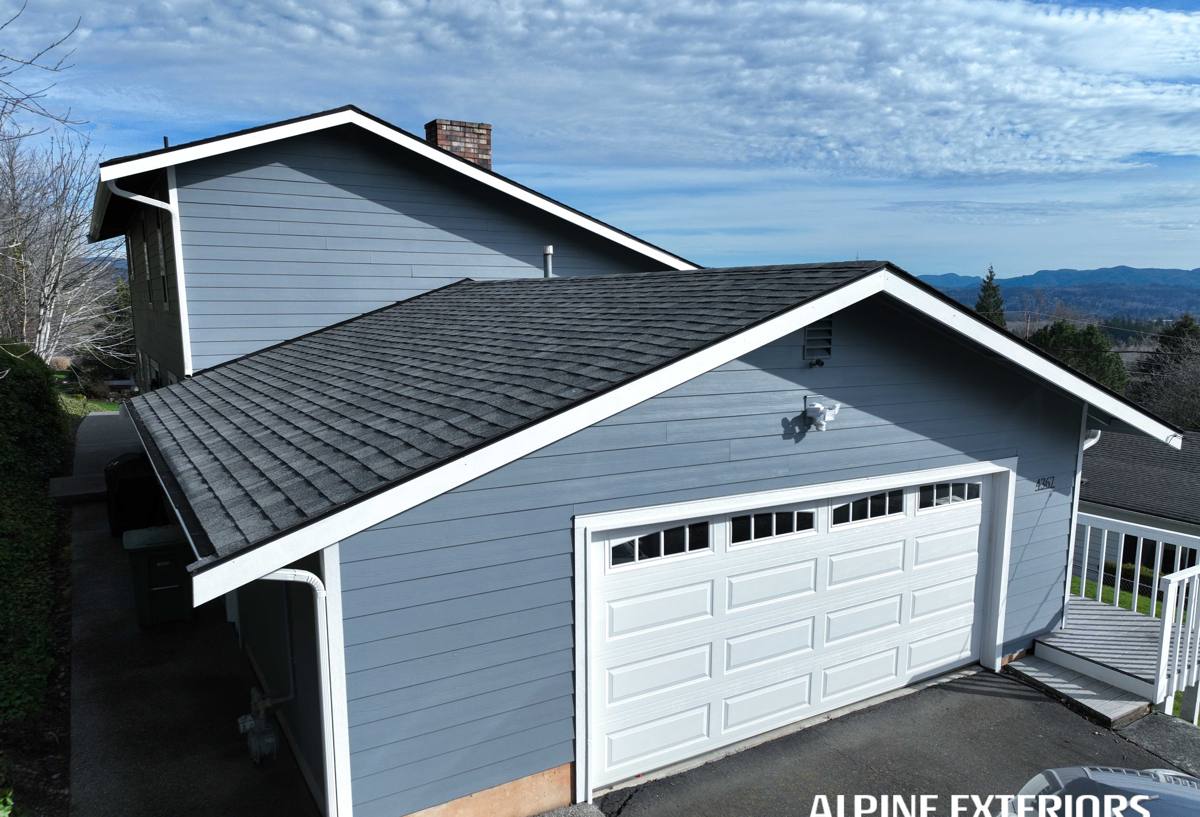
Signs a Safety Harbor Roof Needs Replacement, Not Another Repair
Not every roofing problem calls for a full replacement, and we'll tell you honestly when a repair is the right call. But there's a point where patching individual issues costs more over time than doing the job once, correctly. Homeowners usually reach out to us when they're seeing some combination of the following:
- Shingles that are curling, cupping, or losing granules in patches rather than isolated spots
- Multiple past repairs in different areas of the same roof within a few years
- Visible daylight or water staining in the attic, especially near valleys, chimneys, or skylights
- A roof that's approaching or past the age range where the underlayment and decking are likely compromised, even if the shingles still look okay from the ground
- Rising insurance premiums or a carrier flagging the roof's age during a policy review
- Granules collecting in gutters or at the base of downspouts after every rain
If you're only seeing one or two of these, a targeted repair may genuinely be the smarter and cheaper move — we'll say so. Replacement makes sense when the underlying materials, not just the surface layer, have reached the end of their useful life.
What a Correct Roof Replacement Actually Involves
A roof replacement isn't just stripping old shingles and nailing down new ones. Done right, it's a system, and every layer matters, especially in a coastal Pinellas County climate where wind uplift and moisture intrusion are real risks.
Tear-Off and Deck Inspection
We remove the existing roofing material down to the deck rather than layering over it. This lets us actually see the plywood or OSB underneath, which is the only way to catch soft spots, delamination, or rot before they become a bigger problem hidden under new shingles. Any damaged decking gets replaced, not covered up.
Underlayment
The underlayment is the roof's real waterproofing layer — shingles shed most water, but underlayment is what protects the home if wind drives rain underneath them, which happens regularly during Gulf-side storms. We use synthetic or self-adhered underlayment appropriate to the roof's slope and exposure, with extra attention to valleys and eaves where wind-driven rain concentrates.
Flashing
Flashing around chimneys, skylights, walls, and roof penetrations is where the majority of leaks originate on an otherwise sound roof. In a salt-air environment, flashing material and fastener choice matter more than they would inland — we don't reuse old flashing on a full replacement, since it's usually the most corroded component on the roof.
Ventilation
Proper attic ventilation keeps shingles cooler in Florida's heat and reduces moisture buildup that can rot decking from underneath. A roof that looks fine from the outside can still be failing from poor airflow inside the attic — we check and correct ventilation as part of every replacement, not as an upsell.
Fastening and Wind Rating
How shingles or panels are fastened has a direct effect on wind performance. We follow manufacturer nailing patterns and wind-rated installation specs rather than the minimum code allows, because in this part of Florida, the difference shows up the first time a storm brings sustained wind, not years later.
Material Options for Safety Harbor Homes
There's no single "best" roofing material — the right choice depends on your home's style, your budget, and how much long-term maintenance you want to take on. Here's an honest comparison of the options we install most often in this area:
| Material | Typical Lifespan | Wind/Coastal Performance | Maintenance |
|---|---|---|---|
| Architectural asphalt shingle | 20–30 years | Good when properly fastened and rated for the region | Low; periodic inspection |
| Standing seam metal | 40–50+ years | Excellent wind uplift resistance; handles salt air well with correct coatings | Very low |
| Concrete or clay tile | 40–50+ years | Very good wind resistance when properly fastened; underlayment is critical since tile itself isn't fully waterproof | Moderate; occasional tile replacement |
| 3-tab asphalt shingle | 15–20 years | Lower wind rating than architectural shingles | Low, but shorter service life |
We're upfront that some products carry trade-offs we don't love installing in this climate — for instance, lower-end shingle lines tend to show UV wear faster here than their national-average rating suggests, and certain tile underlayment systems require more precise installation to avoid moisture problems down the line. We'll walk through what fits your home and budget without pushing a product that doesn't make sense for a coastal Pinellas County roof.
What Drives the Cost of a Roof Replacement
Every roof is priced individually after an inspection, but the factors that move the number up or down are consistent. Rather than quote a number that won't apply to your home, here's what actually affects the estimate:
| Cost Factor | Why It Matters |
|---|---|
| Roof size and pitch | Steeper roofs are slower and riskier to work, which affects labor |
| Number of layers being removed | Tear-off of multiple old layers takes more time and disposal |
| Decking condition | Rotted or soft plywood found during tear-off has to be replaced, not covered |
| Material choice | Asphalt, metal, and tile carry very different material and labor costs |
| Roof complexity | Valleys, dormers, chimneys, and skylights all add flashing work |
| Permitting requirements | Pinellas County permitting and inspection add time but are non-negotiable |
Broadly speaking, homeowners in this area should expect asphalt shingle replacement to fall in a moderate range, with metal and tile priced higher due to material and installation complexity. We give a firm, written number after seeing the roof in person — not a phone estimate.
How Our Replacement Process Works
- On-site inspection. We walk the roof and the attic, not just look from the ground, and explain what we find.
- Written estimate. A clear scope of work and price, including material options, before any work is scheduled.
- Permitting. We pull the required permit through Pinellas County before work begins — this isn't optional and protects you if there's ever an insurance or resale question later.
- Tear-off and deck inspection. Old material comes off, decking is inspected and repaired as needed.
- Underlayment, flashing, and ventilation. The waterproofing system goes in correctly before anything visible is installed.
- Material installation. Shingles, metal, or tile installed to manufacturer and wind-rated specs.
- Cleanup and final inspection. Site cleared of debris and nails, followed by a final walkthrough with you.
Permitting, Wind Mitigation, and Insurance in Pinellas County
A properly permitted and inspected roof replacement does more than satisfy code — it can affect your homeowner's insurance. Many carriers offer wind mitigation credits for roofs installed to current wind-rated standards, and an unpermitted roof can complicate a claim or a home sale down the line. We handle the permit process as a standard part of the job and can provide the documentation your insurance agent may ask for, including proof of the installation method and materials used. If you're not sure whether your current roof qualifies for a wind mitigation discount, a replacement is a natural point to find out.
Questions Worth Asking Before You Hire Anyone for This Job
A roof replacement is a significant investment and a job you generally only want to do once every couple of decades. Before signing with any contractor, it's worth confirming:
- Are they licensed and insured in Florida, and can they provide proof, not just a claim?
- Do they pull permits themselves, or expect you to handle it?
- Will they inspect the decking during tear-off, or just install over whatever's there?
- What underlayment and flashing materials are included, specifically — not just "standard"?
- Is the estimate in writing with a defined scope, or a verbal number that can shift later?
- Do they have ongoing experience with homes in this specific area, or is it occasional out-of-town work?
Answers that are vague or rushed are usually a sign to keep looking.
Why a Largo-Based Crew That Already Works Safety Harbor Matters
Roofing crews that regularly work Safety Harbor and the surrounding Largo area understand the specific wear patterns this coastal stretch of Pinellas County produces — the flashing corrosion, the UV degradation on west-facing slopes, the way wind-driven rain from Gulf storms finds weak points that inland crews rarely encounter. That familiarity shows up in the details: which underlayment holds up here, which fastening patterns actually matter in sustained coastal wind, and which shortcuts cause problems five years down the road instead of five months. Being local also means we're reachable after the job is done, not just during the sale, and we're not driving in from out of the area to handle a warranty callback.
After the Roof Goes On
A new roof still benefits from basic upkeep. We recommend a visual check after major storms, keeping gutters clear so water doesn't back up under the eaves, and trimming back any tree limbs that overhang the roofline. Most manufacturer warranties also require the roof to be installed by a certified or authorized installer and may ask for periodic maintenance documentation — we'll explain what applies to your specific warranty at the time of installation so there are no surprises if you ever need to make a claim.
If your Safety Harbor home's roof is showing its age, or you just want an honest read on where it stands, we're happy to take a look. Reach out for a free, no-pressure estimate using the form below.