 Largo Siding
 Why Palm Harbor Roofs Wear Differently
Palm Harbor sits close enough to the Gulf that salt-laden air is a constant, even on days when you can't smell it. Combine that with Pinellas County's long stretch of intense UV exposure, frequent wind-driven rain, and the real risk of hurricane-force gusts during storm season, and you get a set of conditions that ages a roof faster than it would in most parts of the country. Asphalt shingles lose their granules sooner under that kind of sun. Flashing corrodes quicker near the coast. And any roof that wasn't fastened or sealed correctly the first time tends to show it here before it would somewhere drier and calmer.
None of that means Palm Harbor homes need exotic materials or gimmicks. It means the fundamentals — deck condition, fastening pattern, underlayment, flashing, and ventilation — have to be done right, with zero shortcuts, because the climate doesn't forgive shortcuts the way milder climates sometimes do.
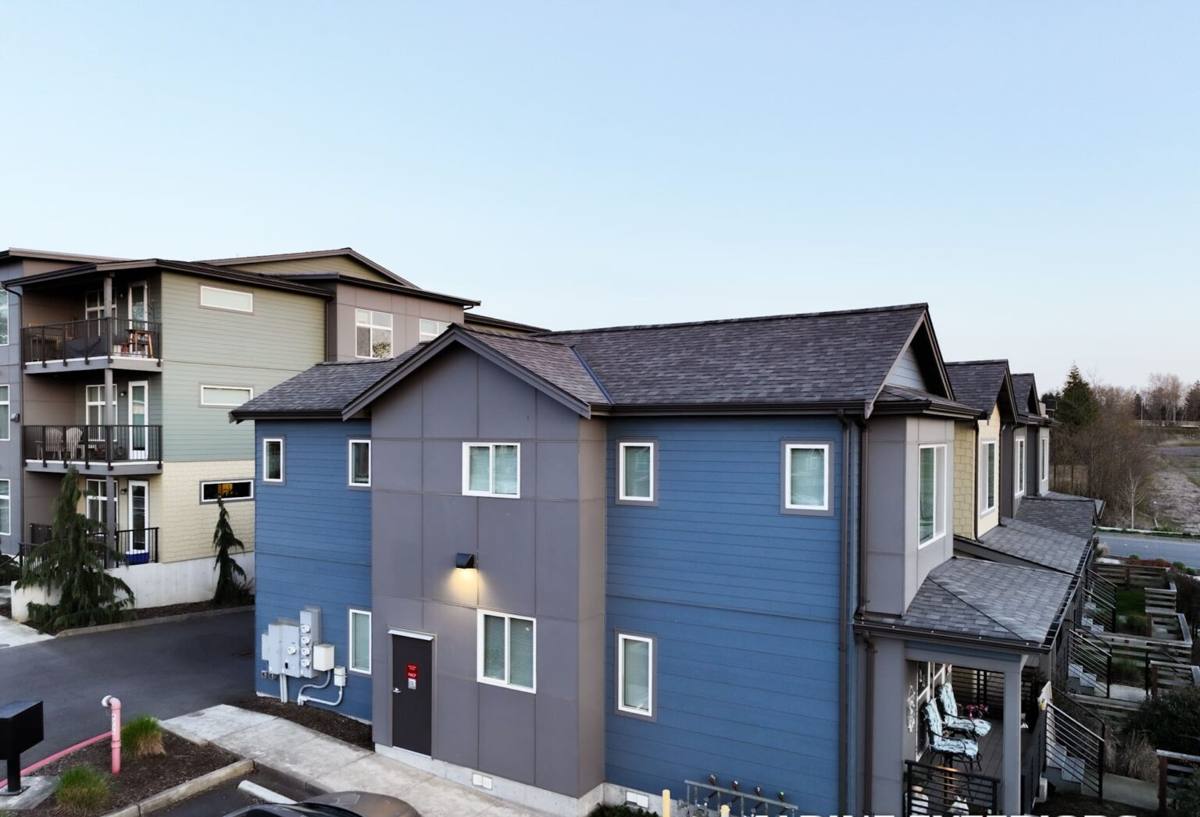
Signs a Palm Harbor Roof Is Ready for Replacement
Roofs rarely fail all at once. They tell you first. Homeowners in this area should watch for:
- Shingles that are cupping, curling at the edges, or missing granules in patches
- Cracked, brittle, or missing shingles after a windstorm, even a minor one
- Soft spots or sagging when walking the roof deck (never do this yourself — this is a professional inspection point)
- Water stains on interior ceilings or in the attic, especially near chimneys, skylights, or vent penetrations
- Visible rust or lifting at flashing points around valleys, walls, and roof penetrations
- A roof that's approaching or past the manufacturer's rated lifespan, particularly if it's never had a full tear-off
- Rising energy bills that track with declining attic insulation or ventilation performance
Any one of these on its own might just mean a repair. Several together, or a roof past 18-20 years old, usually means it's time to start pricing a full replacement rather than patching the same problem twice a year.
Repair vs. Replace: A Practical Way to Decide
| Situation | Repair Likely Makes Sense | Replacement Likely Makes Sense |
|---|---|---|
| Age of roof | Under 12-15 years | 18+ years, or unknown history |
| Damage extent | Isolated (one slope, one leak point) | Spread across multiple areas or slopes |
| Deck condition | Solid, no rot found | Soft spots, rot, or repeated leaks into the same area |
| Storm history | No major wind or hail events since install | Roof has taken multiple hurricane seasons of direct exposure |
| Granule loss | Minimal, localized | Widespread, visible bare patches |
What a Correct Roof Replacement Involves
A roof replacement isn't just stripping old shingles and nailing down new ones. In a climate like this one, every layer underneath the visible shingle matters as much as the shingle itself.
Tear-Off and Deck Inspection
We remove the existing roofing material down to the deck rather than layering over it. This lets us actually see the plywood or OSB underneath, which is the only way to catch soft spots, delamination, or rot before they become a bigger problem hidden under a brand-new roof. Any damaged decking gets replaced before anything else goes down — installing new shingles over a compromised deck just guarantees a shorter lifespan and voided warranty coverage.
Underlayment
In a region that sees regular wind-driven rain, the underlayment is doing more work than people realize. A synthetic underlayment, properly lapped and fastened, gives the roof a secondary water barrier if wind ever drives rain up under a shingle edge — which happens here more than in calmer inland climates. This is not a step to skimp on.
Flashing
Flashing around chimneys, skylights, vent stacks, and roof-to-wall transitions is one of the most common failure points on older Palm Harbor roofs, especially where salt air has accelerated corrosion on older metal. We replace flashing rather than reuse it wherever it's original to the old roof — reused flashing is one of the most common causes of early leaks after a "new" roof goes on.
Fastening for Wind
Florida's building code has specific requirements for wind resistance, and Pinellas County inspections hold roofing work to those standards. Correct nailing pattern, nail placement, and shingle sealing (or the equivalent for other materials) are what actually keep a roof intact in a bad windstorm — not the shingle brand alone. This is one of the areas where sloppy installation shows up fastest and most expensively.
Ventilation
Attic ventilation affects both the lifespan of the new roof and the homeowner's cooling costs. Poor ventilation traps heat and moisture under the deck, which shortens shingle life from underneath — a slow failure mode that's easy to miss until it's advanced. We evaluate existing ventilation as part of every replacement, not as an afterthought.
Material Options for Palm Harbor Conditions
There's no single "correct" roofing material for every home — the right choice depends on budget, roof pitch, HOA rules where applicable, and how long the homeowner plans to stay in the house. What we won't do is recommend a product we don't think holds up honestly to Gulf Coast conditions, or install something for a homeowner without walking through its real maintenance and moisture behavior first.
- Architectural asphalt shingles — the most common choice locally; a well-rated wind-resistant product, properly installed, performs well and remains the most budget-friendly option
- Metal roofing — strong wind and longevity performance, higher upfront cost, good option for homeowners planning to stay long-term
- Tile roofing — common in this part of Florida, durable against UV and salt air, but installation quality and underlayment matter enormously since repairs are more involved than with shingles
We'll walk through the honest trade-offs of each — cost, expected lifespan under local conditions, and maintenance — rather than pushing whatever has the best margin.
Our Replacement Process
- On-site inspection and estimate — we assess the current roof, note any deck or ventilation concerns, and give a clear written estimate with no pressure to sign on the spot
- Material selection — we go over options, cost ranges, and what fits the home and budget
- Permitting — we pull the required Pinellas County permits before work begins; this isn't optional and it's not something a homeowner should have to chase down after the fact
- Tear-off and deck repair — old roofing comes off, the deck gets inspected, and any damaged sections are replaced
- Underlayment, flashing, and installation — installed to code and manufacturer specification, not just "close enough"
- Final walkthrough and cleanup — magnetic sweep for nails, full site cleanup, and a walkthrough so the homeowner can see the finished work before we consider the job done
- Inspection sign-off — coordination with the required county inspection so everything is documented and code-compliant
Why Local Experience in Palm Harbor Matters
A crew that regularly works in Palm Harbor and the surrounding Pinellas County area knows the wind uplift requirements the local building department enforces, understands how salt air behaves differently than it does even a few miles inland, and has already seen how different materials actually perform through real hurricane seasons here — not just on a spec sheet. That local track record shows up in decisions a homeowner might not think to ask about: fastener spacing for the wind zone, flashing metal that resists coastal corrosion, and underlayment choices suited to wind-driven rain rather than straight-down rain.
It also matters for something more practical: permitting and inspection. A contractor who regularly pulls permits in this county knows the process and the inspectors' expectations, which keeps the job moving instead of stalling on paperwork or failed inspections.
What to Expect for Cost
Roof replacement cost depends on roof size, pitch, material choice, deck condition, and how much tear-off and disposal is involved. Rather than quoting a number that won't reflect your actual roof, we provide a firm written estimate after an on-site inspection — that's the only way to give a homeowner a number they can actually rely on. Be cautious of any quote given without someone physically walking the roof first.
Maintaining a New Roof in This Climate
A correctly installed roof still benefits from basic upkeep in a coastal climate like this one:
- Clear debris from valleys and gutters regularly, especially after storms
- Have the roof visually inspected after any major wind event
- Watch for early signs of granule loss or lifted shingle edges
- Keep attic ventilation clear and unobstructed
- Address small flashing or sealant issues before they become leaks
If your Palm Harbor roof is showing its age or storm wear, we're happy to take a look and give you a straightforward, no-pressure estimate — just fill out the form below and we'll schedule a time to come out.