 Largo Siding
 Roof Replacement Built for Dunedin's Coastal Conditions
Dunedin sits close enough to the Gulf that salt-laden air, sustained onshore wind, and long stretches of direct sun are part of daily life for every roof in the area. Add Florida's hurricane season on top of that, and a roof here is working harder than a roof almost anywhere else in the country. When a Dunedin roof reaches the end of its service life, replacing it correctly — not just quickly — is what keeps a home dry, insurable, and protected for the next fifteen to thirty years.
We work on homes throughout the Largo and Dunedin area regularly, which means we're not guessing at what local roofs need. We see the same wear patterns, the same code requirements, and the same insurance expectations over and over, and we build our replacements around them.
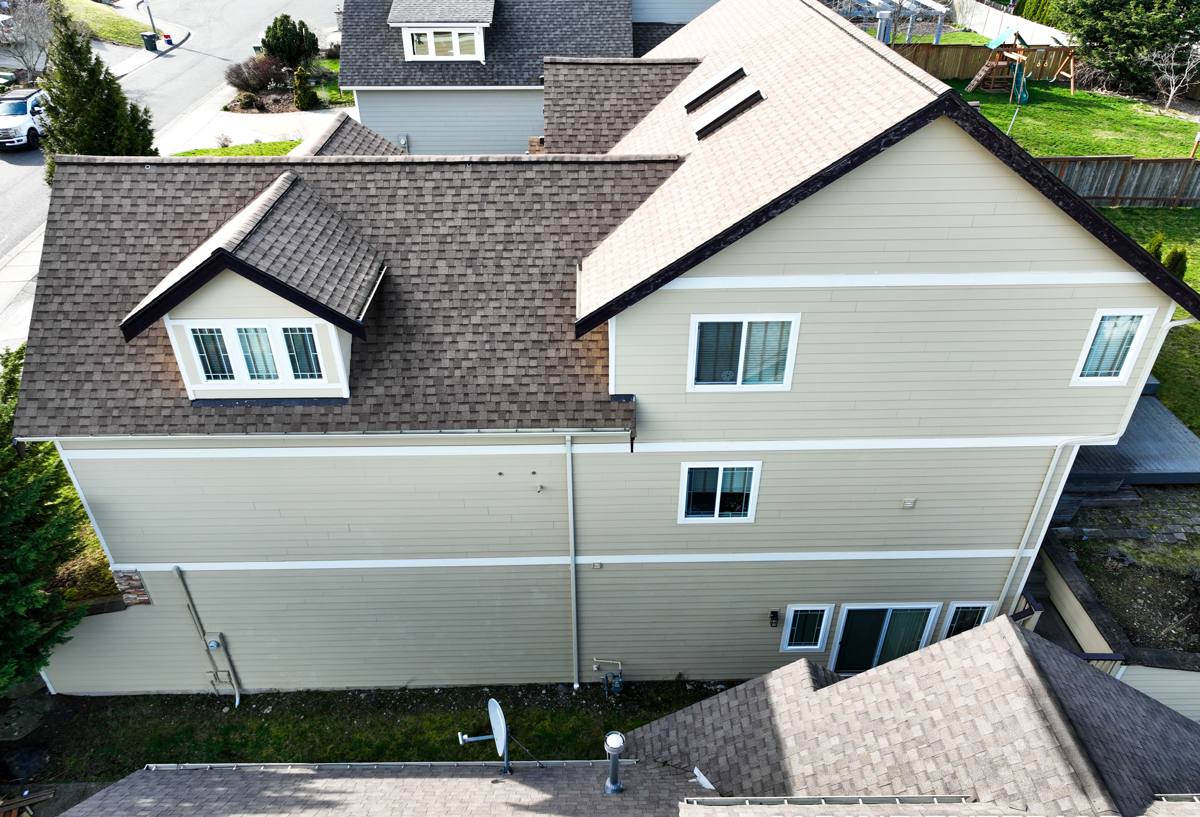
What Dunedin's Climate Actually Does to a Roof
It helps to understand the specific stresses a roof in this part of Pinellas County faces, because they shape almost every decision in a proper replacement.
Wind
Hurricane-force gusts don't just threaten a roof during a named storm — they test every fastener, every seam, and every edge detail the roof was built with. A roof that was installed to minimum code twenty years ago is not held down the way current Florida Building Code requires. Uplift at the edges and corners is usually where failures start, which is why edge and perimeter detailing gets extra attention on every replacement we do.
UV Exposure
Florida sun is intense and consistent nearly year-round. UV breaks down asphalt shingle oils, dries out underlayment, and accelerates the aging of just about every roofing material over time. Roofs here simply don't last as long as the same materials would in a milder climate, which is why manufacturer warranties often list Florida among higher-wear regions.
Wind-Driven Rain
Rain that comes in sideways during a storm doesn't behave like rain falling straight down. It gets pushed up under shingle tabs, around flashing, and into any gap a standard installation might tolerate elsewhere. Proper underlayment, sealed laps, and correctly integrated flashing matter more here than in drier, calmer climates.
Salt Air
Dunedin's proximity to the Gulf means metal components — flashing, fasteners, vent stacks, drip edge — are exposed to salt in the air even without direct ocean spray. Corrosion-resistant materials aren't a luxury upgrade here; they're a baseline requirement for anything metal on the roof.
Signs a Dunedin Roof Needs Replacing, Not Patching
Not every roofing problem calls for a full replacement, and we'll tell you honestly if a repair will hold. But certain conditions mean patching is just delaying the inevitable and spending money that won't count toward anything:
- Shingles that are cracked, curling, or missing granules across large sections rather than one isolated spot
- Multiple past repairs in different areas of the roof, suggesting the whole surface is aging out together
- Soft spots in the roof deck, visible sagging, or daylight showing through the attic
- Recurring leaks that reappear after repair, often a sign the underlayment has failed broadly, not just locally
- A roof approaching or past its expected lifespan for its material, especially if it predates current wind-rating code
- Difficulty getting affordable insurance coverage or a wind mitigation discount because of the roof's age or condition
That last point matters more in Pinellas County than in a lot of places. Insurers increasingly ask about roof age directly, and a roof over 15-20 years old can affect both premiums and whether coverage is offered at all.
What a Correct Roof Replacement Includes
A roof replacement is more than stripping old shingles and nailing down new ones. Done right, in a climate like this, it's a system — every layer has a job, and skipping or shortcutting one layer weakens the whole assembly.
Full Tear-Off and Deck Inspection
We remove the old roofing material down to the deck rather than layering over it, because that's the only way to actually inspect the wood underneath. Any rotted, delaminated, or water-damaged decking gets replaced before anything new goes down — installing new roofing over a compromised deck is a guaranteed early failure.
Underlayment
Given how much wind-driven rain a Dunedin roof deals with, underlayment is not the place to cut corners. A quality synthetic or self-adhering underlayment, installed with the correct overlap and sealed at penetrations, is the roof's real waterproof barrier — the shingles or tiles above it are the first line of defense, but the underlayment is what actually keeps water out if wind pushes past that first line.
Flashing and Edge Detail
Valleys, chimneys, skylights, and roof-to-wall transitions are where the majority of leaks originate on any roof, not the open field areas. We install corrosion-resistant metal flashing sized and formed for each specific detail, not generic pieces bent to fit. Drip edge and starter courses at the perimeter get particular attention because that's the zone most vulnerable to wind uplift.
Fastening to Current Wind Standards
Nailing pattern and fastener count are code-specified for a reason, and that code has gotten stricter over the decades specifically because of Florida wind events. We fasten to current Florida Building Code requirements for this wind zone, not the minimums that may have applied when an older roof was originally installed.
Ventilation
Proper attic ventilation keeps roof deck temperatures down, extends shingle life, and reduces moisture buildup that leads to rot and mold. It's often overlooked because it's invisible from the ground, but it directly affects how long the new roof will last under Florida sun.
Choosing Materials for a Dunedin Home
There's no single "best" roofing material for every home — it depends on budget, roof shape, HOA rules if applicable, and how long the owner plans to stay in the home. What matters is matching the material's real-world performance to this climate honestly.
| Material | Typical Lifespan Here | Wind/Storm Notes | Maintenance |
|---|---|---|---|
| Architectural asphalt shingle | 15-25 years | Good performance when rated and installed for high-wind zones | Low; periodic inspection |
| Metal (standing seam) | 30-50 years | Excellent wind resistance; needs corrosion-resistant fasteners near the coast | Very low |
| Tile (concrete or clay) | 30-50 years | Heavy and durable but individual tiles can crack from impact; underlayment failure is the usual weak point | Moderate; occasional tile replacement |
| Flat/low-slope membrane | 15-25 years | Common on additions and porches; seam quality is critical in wind-driven rain | Moderate; regular inspection |
We'll walk through the honest trade-offs for your specific roof — pitch, HOA restrictions, budget, and how long you plan to own the home all factor into what actually makes sense, rather than defaulting to whatever's easiest to sell.
Our Replacement Process
- Inspection and estimate. We assess the current roof, deck condition where visible, and any contributing factors like ventilation or flashing issues, then provide a clear written estimate.
- Material selection. We go over options suited to your roof and budget, with honest pros and cons for each.
- Permitting. Roof replacements in Pinellas County require a permit and inspection — we handle that process as part of the job.
- Tear-off and deck repair. Old material comes off, the deck gets inspected, and any damaged sections are replaced.
- Underlayment, flashing, and installation. Each layer goes down to code and manufacturer specification, with particular care at valleys, penetrations, and edges.
- Final inspection and cleanup. We coordinate the required inspection and leave the property clear of debris and old material.
Insurance and Documentation
Many Dunedin homeowners are replacing a roof partly because of insurance pressure — either a non-renewal notice, a required roof age limit, or a chance to qualify for a wind mitigation discount. We provide the documentation typically needed for insurance purposes, including proof of permit, materials used, and completion. If you're replacing a roof for insurance reasons specifically, mention that up front so we can make sure the paperwork lines up with what your carrier is asking for.
Why Hire a Crew That Already Works in Dunedin
A roof replacement done by a crew unfamiliar with this specific coastal environment can look fine on day one and still fail early — the visible parts of a roof job are rarely where the real difference shows up. What matters is whether the crew understands the local wind zone requirements, uses fastening and flashing appropriate for salt air exposure, and knows how Pinellas County permitting and inspection actually works in practice. That familiarity comes from doing the work here repeatedly, not from a general roofing background applied to any climate.
We're a local operation serving Largo, Dunedin, and the surrounding Pinellas County communities. We're not a storm-chasing crew that shows up after a hurricane and leaves once the rush is over — we're here before, during, and after the job, which matters if a warranty question or minor issue comes up years down the road.
Get a Straightforward Estimate
If your roof is showing its age, was damaged in a recent storm, or you're just trying to get ahead of an insurance requirement, we're happy to take a look and give you an honest assessment — no pressure, no upsell. Fill out the form below to schedule a free estimate for your Dunedin roof replacement.