 Largo Siding
 Redington Beach Roofs Take a Different Kind of Beating
Redington Beach sits on a narrow barrier island with the Gulf on one side and the Intracoastal on the other, which means every roof out there is exposed to weather from two directions at once. That's a different situation than a roof a few miles inland in Largo or Clearwater. Wind doesn't just blow harder near open water — it carries salt spray, moisture, and grit that work into shingles, flashing, and fasteners year-round, not just during a named storm.
Add in Pinellas County's typical mix of hurricane-force wind events, sudden wind-driven rain squalls, and near-constant UV exposure, and you get roofs that age faster and fail differently than roofs elsewhere in the state. A repair approach that works fine in a subdivision ten miles from the coast can fall short on a Redington Beach roof because it doesn't account for the salt air corrosion and wind-uplift patterns specific to the island.
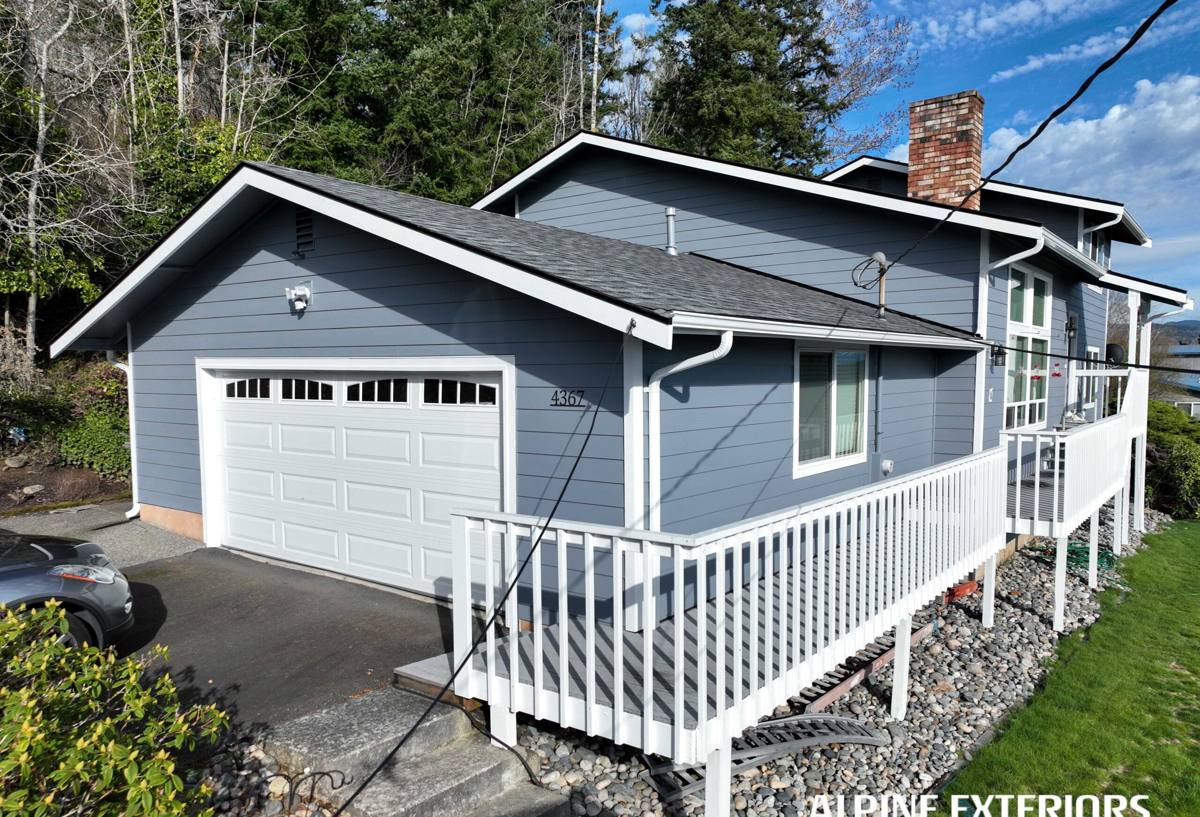
What Storm Damage Actually Looks Like on a Barrier Island Roof
Storm damage isn't always the dramatic kind — a tarp-worthy hole or missing section of shingles. On island homes, a lot of the damage that leads to bigger problems is quieter and easier to miss from the ground.
Wind Damage
Sustained coastal wind and gusts during squalls or tropical systems lift shingle tabs, break the adhesive seal strip, and loosen fasteners on tile and metal roofs. Once a shingle's seal is broken, it doesn't always blow off — it can sit there looking fine while flapping just enough with every gust to let wind-driven rain underneath.
Wind-Driven Rain Intrusion
Rain that comes in nearly sideways during a squall behaves differently than a normal vertical downpour. It gets pushed up under shingle edges, through compromised flashing, and into vent boots and roof penetrations that would shed water fine in calm conditions. This is one of the most common causes of interior water stains that homeowners assume are "just a leak" when the real cause is storm-driven wind pressure, not a hole.
Salt Air and UV Degradation
Salt-laden air accelerates corrosion on exposed fasteners, flashing, and metal roof panels. Combined with Florida's intense year-round UV, it also dries out and embrittles shingle mat and sealant faster than in inland areas. A roof that took wind damage during a storm often has this underlying salt and UV wear already working against it, which is why storm damage on an island roof tends to reveal itself as bigger problems sooner than the same event would on an inland roof.
How We Assess Storm Damage Before Any Repair
A repair is only as good as the inspection behind it. We start every storm damage call with a full assessment, not just a patch of the obvious spot.
- Ground-level and roof-surface inspection of every slope, not just the side facing the storm
- Close check of flashing around chimneys, skylights, vents, and roof-to-wall transitions — these are where wind-driven rain finds its way in
- Inspection of the fastener pattern and shingle or tile seal integrity, since lifted seals often precede visible missing material
- Attic and decking check from the inside where accessible, to catch moisture staining or soft spots before they spread
- Documentation with dated photos of every finding, whether we're doing the repair or you're filing with your insurance carrier
We give homeowners a plain-language explanation of what we found and what it means — not a sales pitch for the biggest job possible. If a section of the roof is fine, we say so.
What a Correct Storm Damage Repair Involves
A correct repair addresses the cause, not just the symptom. Patching a visible leak point without checking the surrounding shingles, flashing, and fastener pattern is how the same "repaired" spot ends up leaking again after the next squall.
Matching the Existing System
Repairs should tie into your existing roofing system correctly — matching shingle type and exposure, restoring proper overlap, and reinstalling flashing so water sheds the way the original design intended. A mismatched patch can actually create a new leak path even if it looks fine from the ground.
Flashing and Penetration Work
On coastal homes, we pay particular attention to flashing at chimneys, vent stacks, skylights, and any wall-to-roof transition. These are the highest-risk spots for wind-driven rain intrusion, and they're also where salt air corrodes fasteners and sealant fastest. Reused flashing that's already corroding gets replaced, not resealed.
Fastener and Seal Integrity
Where wind has broken the adhesive seal on shingles without removing them, we reseal or replace as needed rather than leaving a shingle that looks intact but isn't actually secured. On tile and metal roofs, we check and correct fastener spacing and torque against current wind-resistance standards for the area.
Repair vs. Replacement — Making the Right Call
Not every storm-damaged roof needs full replacement, and not every roof is a good candidate for another round of patching. Here's how we think through it with homeowners:
| Factor | Favors Repair | Favors Replacement |
|---|---|---|
| Roof age | Under roughly half its expected service life | Near or past expected service life for the material |
| Damage extent | Localized to one or two areas | Spread across multiple slopes or repeat trouble spots |
| Prior repair history | First storm-related repair | Multiple past repairs in different spots |
| Underlying decking | Sound, no rot or soft spots found | Moisture damage or soft decking present |
| Material condition overall | Granule loss and seal wear minimal elsewhere | Widespread UV/salt-air wear beyond the storm-hit area |
The honest answer for most storm calls on the island is repair — replacement is a bigger decision we only recommend when the numbers and the roof's condition actually support it.
Materials and Flashing Choices That Hold Up Near the Gulf
Not every roofing product and flashing material handles salt air equally well, and this matters more for repair longevity than most homeowners realize. We favor corrosion-resistant fastener and flashing materials for coastal work, since standard-grade metal flashing and fasteners can start corroding within a few seasons this close to open water. It's a small cost difference on a repair, but it's the difference between a fix that lasts and one you're paying for again after the next storm season.
We also pay attention to how a repair's materials will age under Pinellas County's UV load — sealants and shingle products vary in how long they stay flexible and adhered before drying out and cracking under constant sun exposure.
Insurance Documentation, Done Right
Many storm damage repairs on the island end up involving a homeowner's insurance claim. We document damage with dated, close-up photos before any repair work begins, and we provide a clear written scope of what was found and what work is being done. That documentation is what your adjuster needs to see, and it's also a useful record for you if the same area ever needs attention again down the road. We're not a public adjuster and won't pretend to be one, but we make sure the roofing side of your claim paperwork is accurate and complete.
Why a Crew That Already Works Redington Beach Matters
A roof repair company that mainly works inland neighborhoods doesn't see barrier island conditions often enough to know what to look for by default. A crew that already works Redington Beach and the surrounding coastal areas of Pinellas County knows to check flashing and fasteners for salt corrosion as a matter of course, knows how wind-driven rain typically finds its way into island homes, and isn't guessing at what "normal wear" looks like on a Gulf-front roof versus one a few miles inland.
That familiarity also means a faster, more accurate assessment. We're not learning the coastal wind and salt exposure patterns on your roof — we already know what to expect and can tell you quickly whether what you're looking at is storm damage, ongoing wear, or both.
What to Do After a Storm — A Practical Checklist
- Do a safe ground-level walk-around and look for missing, lifted, or displaced shingles or tiles
- Check gutters and the ground below the roofline for granules, shingle pieces, or flashing debris
- Look inside for new ceiling stains, especially near chimneys, skylights, and exterior walls
- Take dated photos of anything you notice, even if it seems minor
- Avoid climbing onto the roof yourself to inspect — that's what a professional assessment is for
- Get an assessment before the next rain event, since a compromised seal or flashing point tends to get worse with repeated exposure, not better
Straightforward Pricing and Timing
Storm damage repair costs on Redington Beach homes vary quite a bit depending on the scope — a single flashing repair is a much smaller job than repairing wind damage across multiple slopes with underlying decking issues. Rather than quote a number before we've seen the roof, we give you a clear, itemized estimate after the assessment so you know exactly what you're paying for and why. Timing depends on material availability and the extent of damage, but we prioritize active leaks and storm-exposed roofs to prevent further water intrusion while a full repair is scheduled.
If your Redington Beach home has taken storm damage, or you're just not sure whether recent wind and rain have compromised your roof, we're happy to take a look. Reach out for a free, no-pressure estimate using the form below — we'll assess the roof honestly and tell you exactly what it needs, nothing more.