 Largo Siding
 Why Redington Beach Roofs Wear Out Faster Than Inland Homes
Redington Beach sits on a narrow barrier island with the Gulf of Mexico on one side and the Intracoastal on the other, which means every roof here takes a harder beating than a roof ten miles inland in Largo or Clearwater. There's less tree cover to break up the wind, more direct sun bouncing off open water, and constant salt-laden air moving across every shingle, nail, and vent. Add in Pinellas County's hurricane season and the wind-driven rain that comes with it, and you have a climate that shortens the working life of a roof no matter how well it was installed originally.
That doesn't mean every roof on the island fails early — a properly installed, well-ventilated roof with the right materials can still hold up for its full expected lifespan. But it does mean a roof replacement here isn't a copy-paste job from a subdivision fifteen miles from the water. The details that matter — fastening patterns, underlayment choice, flashing at every penetration, ventilation balance — carry more weight in a barrier island environment than almost anywhere else in the county.
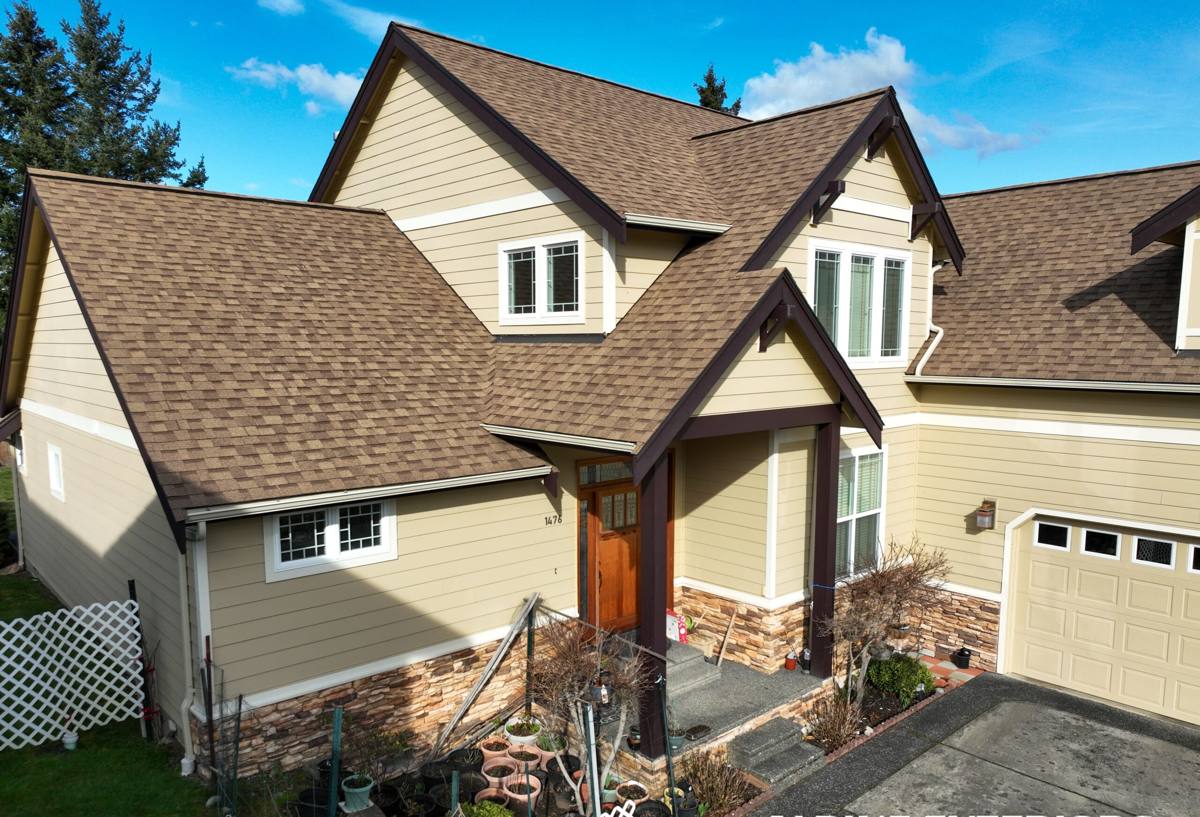
Signs Your Redington Beach Home Needs a Replacement, Not Another Repair
Coastal homeowners often patch a roof two or three times before realizing patching has stopped being the economical choice. A few honest signs it's time to stop repairing and start planning a full replacement:
- Granule loss heavy enough that you're finding grit in gutters and downspouts regularly, not just after a storm
- Shingles that are curling, cupping, or losing their seal — often accelerated by UV exposure and salt on an open-water lot
- Soft spots or sag in the roof deck when walked, which points to underlying water damage, not just a surface issue
- Rust staining or corrosion around flashing, vents, or fastener heads — a common early sign of salt air taking its toll on metal components
- Repeated leaks in the same area after more than one patch attempt
- A roof approaching or past 18-20 years old for asphalt shingle, even if it looks intact from the ground
- Visible storm damage after a named system or a strong summer squall, especially lifted or missing shingles along ridges and edges
If your roof shows two or more of these, a repair is usually a short-term fix that delays a bigger expense rather than avoiding it.
What a Correct Roof Replacement Looks Like on a Barrier Island Home
A roof replacement is more than stripping old shingles and nailing down new ones. On a home exposed to Gulf winds and salt air, several layers matter as much as the visible shingle or panel.
Deck and Structure First
Once the old roofing is off, the deck gets inspected board by board. Any wood that's soft, delaminated, or water-stained gets replaced before anything new goes down — covering a compromised deck with new shingles just hides a problem that will resurface as a leak or a soft spot within a year or two.
Underlayment and Water Barrier
Given how much wind-driven rain a Redington Beach roof sees, we don't treat underlayment as an afterthought. A synthetic or self-adhering underlayment, with sealed laps and reinforced coverage at valleys and eaves, gives the roof a real second line of defense if wind ever drives water up under the shingle line — which happens more often on open, exposed lots than most homeowners realize.
Flashing and Penetrations
Every place metal meets roof — chimneys, skylights, vent pipes, wall transitions — is a potential entry point for water and a spot where salt air accelerates corrosion. Correct flashing means new metal, properly lapped and sealed, not old flashing reused to save time.
Ventilation
A roof that can't breathe properly traps heat and moisture in the attic, which shortens shingle life from underneath, not just from sun exposure on top. Balanced intake and exhaust ventilation matters everywhere, but it matters more on a home baking in direct coastal sun most of the year.
Choosing the Right Roofing Material for Salt Air and High Wind
There's no single "best" roofing material for every Redington Beach home — it depends on the home's structure, budget, and how the owner weighs upfront cost against long-term maintenance. Here's how the common options actually perform in this specific environment:
| Material | Wind Performance | Salt Air / Corrosion Behavior | Maintenance Reality |
|---|---|---|---|
| Architectural asphalt shingle | Good with proper nailing pattern and high wind-rated product; most common choice | Granules and fiberglass mat resist salt well; exposed metal fasteners and flashing are the weak point | Lowest upfront cost; periodic flashing and sealant checks recommended |
| Standing seam metal | Excellent — concealed fasteners and interlocking panels handle uplift well | Coastal-rated coatings and proper metal alloy selection matter a lot here; cheap metal corrodes faster near open water | Higher upfront cost, very low long-term maintenance if the right metal and coating are specified |
| Concrete or clay tile | Very good once properly fastened, but individual tiles can dislodge in extreme gusts if fastening was done poorly | Tile itself resists salt well; underlayment beneath it does the real waterproofing work and needs attention | Heavier structural load; repairs after impact damage require matching tile |
Whatever material fits your home and budget, the wind rating printed on the product spec sheet only means something if it's installed with the fastening pattern, nail count, and underlayment the manufacturer's warranty actually requires — a lot of shortened roof lifespans on the island trace back to correct materials installed with shortcuts.
Wind Rating, Permitting, and Building Code Basics
Pinellas County falls within Florida's wind-borne debris region under the Florida Building Code, which means roofing work here follows specific wind-uplift and fastening requirements — these aren't optional upgrades, they're the baseline for a legal, insurable roof. A permitted roof replacement includes an inspection process through the local building department, and the permit record matters later: it's often requested by insurers and by buyers during a home sale.
Skipping permits or using a contractor who doesn't pull them is a real risk on the island — an unpermitted roof can complicate an insurance claim after storm damage and can become a costly problem during a future sale when it surfaces in a title search or inspection.
Our Roof Replacement Process
- On-site inspection — we walk the roof and attic, check the deck, ventilation, and flashing, and give you a straight answer on whether replacement or repair is the right call
- Written estimate — material options, scope, and pricing laid out clearly, with no pressure to decide on the spot
- Permitting — we handle the permit application and required inspections through the local building department
- Tear-off and deck repair — full removal of old roofing, deck inspected and repaired board by board where needed
- Underlayment, flashing, and material installation — installed to the wind-rated fastening specs the product and code require
- Cleanup and final walkthrough — magnetic sweep for debris, gutters checked, and a final walkthrough with you before we consider the job done
Why a Crew That Already Works Redington Beach Matters
A barrier island job site is different from a mainland one. Streets are narrower, staging space is tighter, and the building department reviewing your permit knows exactly what wind exposure and flood zone considerations apply to homes on the island. A crew that's already done roofs here isn't learning those logistics on your project — they know how to stage material delivery, manage a tear-off without blocking a narrow street, and get a permit through review without delays caused by an unfamiliar submission.
There's also a practical trust factor: a company that shows up in Redington Beach regularly has a reputation to protect with neighbors who talk to each other. That's worth something when you're choosing who tears the roof off your house.
What Drives the Cost of a Redington Beach Roof Replacement
Every roof is different, so we won't quote a number without seeing yours, but the main factors that move the price are consistent:
- Roof size and the number of planes, hips, and valleys — a simple gable roof costs less than one with a lot of cuts
- Material choice — architectural shingle, metal, and tile sit at different price points and different long-term maintenance costs
- Deck condition — rotted or delaminated decking found during tear-off adds material and labor to replace it correctly
- Roof pitch and accessibility — steeper roofs and tight lot access take more time and safety setup
- Wind-rated fastening and underlayment upgrades — code-required on Pinellas County homes, and worth doing right rather than to the bare minimum
We'd rather walk you through these factors on your specific roof than throw out a broad range that doesn't mean much until we've actually seen the structure.
Get a Straight Answer on Your Roof
If your roof is showing its age, took a hit in the last storm, or you just want an honest read on how much life it has left, we're glad to come take a look. The estimate is free, there's no pressure to sign anything on the spot, and you'll get a clear answer about whether repair or replacement makes sense for your Redington Beach home. Use the form below to get started.