 Largo Siding
 Board & Batten Siding in Palm Harbor
Palm Harbor's mix of waterfront lots, wooded interior streets, and older Florida ranch-style homes makes board and batten one of the most requested siding profiles we install in this part of Pinellas County. It gives a home a clean, vertical-line look that works on a coastal cottage, a farmhouse remodel, or an accent gable on an otherwise traditional elevation. But board and batten is also a profile that punishes a sloppy installation faster than standard lap siding does, and Palm Harbor's climate is not gentle on any exterior product. This page covers what board and batten actually is, what the local climate demands from it, and what a correct installation looks like on a Palm Harbor home.
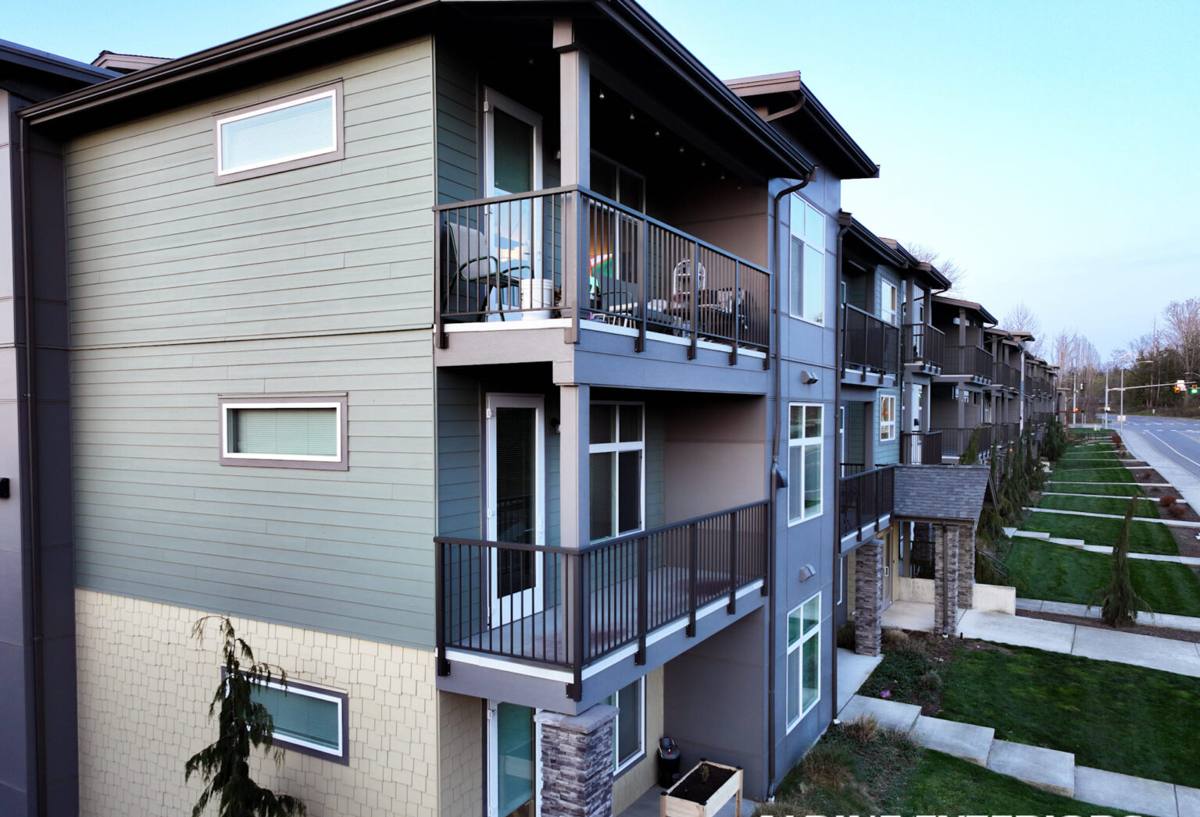
What Board and Batten Siding Actually Is
Board and batten is a vertical siding system built from wide flat panels or boards installed edge to edge, with narrower strips — the battens — covering each seam. The result is a rhythmic, ribbed vertical pattern instead of the horizontal shadow lines of lap siding. It's often used as a full exterior treatment or mixed with lap siding as an accent on gables, dormers, or a front entry feature wall.
Why Homeowners Choose It
Board and batten reads as more architectural than standard lap siding. It photographs well, pairs naturally with modern farmhouse and coastal design trends, and creates strong visual texture without needing shutters or trim to carry the look. In Palm Harbor we see it most often on remodels where the homeowner wants a full exterior refresh rather than a like-for-like replacement.
Where It Differs From Lap Siding, Structurally
The vertical orientation changes how water moves across the wall. Lap siding is designed to shed water downward off overlapping courses. Board and batten relies on the batten covering the seam and on the panel's own water-resistive barrier behind it to keep moisture out — there's no overlap doing that work. That makes the quality of the install, not just the product, the deciding factor in how the siding performs over time.
What Palm Harbor's Climate Demands From This Siding
Pinellas County sits in a climate that stresses exterior materials from several directions at once, and board and batten's vertical seams are more exposed to some of those stressors than a horizontal lap profile.
| Climate Factor | What It Does to Siding | What Board & Batten Needs |
|---|---|---|
| Hurricane-force wind | Pulls at panel edges and battens, works loose fasteners over repeated storms | Correct fastener type, spacing, and embedment into structural framing, not just sheathing |
| Wind-driven rain | Forces water sideways and upward into seams that gravity alone won't clear | Properly lapped water-resistive barrier and correctly caulked or flashed batten joints |
| Year-round intense UV | Breaks down paint film, fades color, dries out caulk and sealants | A factory finish engineered for UV resistance rather than field-applied paint |
| Salt air | Corrodes exposed metal fasteners and accelerates finish breakdown near the coast | Corrosion-resistant fasteners and a siding substrate that doesn't rot or swell from moisture intrusion |
None of these stressors are unique to Palm Harbor, but together they're a heavier load than most inland climates put on an exterior. A board and batten job that would hold up fine in a drier, calmer region can fail early here if it's installed to a lower standard.
Why We Install Board and Batten Only in James Hardie Fiber Cement
We don't offer board and batten in vinyl, LP SmartSide, or primed wood, and that's a deliberate standard, not an oversight. Vertical vinyl panel systems flex and can show waviness in direct sun, and their seams rely heavily on the trim system staying tight over years of thermal movement. Engineered wood products and primed spruce are dimensionally stable but remain wood at the core — any breach at a seam or fastener hole gives moisture a path into a material that can swell and deteriorate, and Palm Harbor's humidity and wind-driven rain give that moisture plenty of opportunities to find a way in.
James Hardie fiber cement doesn't have that vulnerability. It's non-combustible, it doesn't swell or rot when it gets wet, and it's manufactured with a climate-specific HZ formulation built for humid, moisture-heavy regions like ours. For board and batten specifically, Hardie's vertical panel and batten products hold a straight, flat line under Florida sun instead of showing the waviness that lighter materials can develop. Combined with a factory-applied ColorPlus finish — baked on and warrantied against fading and peeling — it's the product we're comfortable standing behind on a profile where the finish and the seams carry more of the weatherproofing burden than they do on lap siding.
What a Correct Board and Batten Installation Involves
The visual result of board and batten can look similar whether it's installed well or poorly. What separates the two is almost entirely hidden once the job is done, which is exactly why the installer matters as much as the material.
Water Management Behind the Panels
A correctly lapped and sealed water-resistive barrier goes on before a single panel is hung. Every penetration — outlets, hose bibs, light fixtures, vents — gets properly flashed and sealed, not just caulked over after the fact.
Fastening Into Structure
Fasteners need to land in solid framing or properly rated sheathing, at the spacing and edge distance the manufacturer specifies, using corrosion-resistant fasteners suited to a coastal-influenced climate. Fastener placement matters more on board and batten because there's less overlap to compensate for a missed or under-driven nail.
Batten Placement and Gapping
Battens need to sit evenly over seams with correct spacing to allow for expansion and contraction, and joints have to be sealed with a product rated for the movement and UV exposure the joint will see. A batten that's caulked once and never detailed properly is one of the most common places a board and batten job starts to fail.
Trim, Corners, and Transitions
Outside corners, window and door transitions, and the base of the wall are where most water intrusion problems start on any siding system. On board and batten these details also carry more of the visual weight of the job, so they need to be both weathertight and clean-lined.
Our Process on a Palm Harbor Board and Batten Job
- On-site inspection of the existing wall assembly, substrate condition, and any moisture or rot found during removal of the old siding
- Repair or replacement of any compromised sheathing or framing before new siding goes on — never covered over
- Installation of a continuous, properly lapped water-resistive barrier with flashed penetrations
- Hardie panel and batten installation to manufacturer fastening specifications, adjusted for wind exposure on the specific elevation
- Sealed and detailed batten joints, corners, and trim transitions
- Final walkthrough covering fastener pattern, seam sealing, and finish before we consider the job complete
We don't skip the inspection step to move faster. A board and batten replacement is the point where hidden problems from years of wind-driven rain or a prior undersized flashing detail get found and fixed — or get sealed back up under new siding, which is how a good-looking job turns into a callback two years later.
Signs an Existing Board and Batten (or Other) Siding Needs a Closer Look
- Visible gaps, cracking, or separation at batten joints
- Soft or spongy spots when you press on the siding near the base of the wall
- Peeling, chalking, or heavy fading, especially on south- and west-facing walls
- Staining or streaking below seams or fastener heads
- Rust bleeding from fastener locations
- Warping or waviness along a wall that used to read flat and straight
Any one of these on its own isn't necessarily an emergency, but they're worth having looked at before the next storm season rather than after.
Cost Factors on a Board and Batten Job
| Factor | Why It Affects Price |
|---|---|
| Wall square footage and elevation count | More surface area and more corners/transitions mean more material and labor |
| Substrate condition | Rot or moisture damage found during tear-off adds repair scope before new siding goes up |
| Panel vs. individual board-and-batten system | Different Hardie product configurations carry different material and labor costs |
| Trim and detail complexity | Homes with more windows, dormers, or architectural features need more precise, time-intensive trim work |
| Color and finish selection | Factory ColorPlus finishes vs. field-painted options affect both cost and long-term maintenance |
We give straight, itemized numbers once we've actually looked at the wall — not a phone-quote guess that changes once tear-off starts.
Why Hiring a Crew That Already Works Palm Harbor Matters
A crew that works this area regularly already knows how Pinellas County's wind exposure and salt-air proximity should change fastening patterns and detailing decisions, without having to relearn it on your house. They've seen how older Palm Harbor homes were originally built out, where past installers have cut corners on flashing or fastener spacing, and what a wall assembly typically looks like once the old siding comes off. That familiarity shows up in fewer surprises during the job and fewer callbacks after it — which matters more on a profile like board and batten, where the details that determine long-term performance are the ones you can't see once the job is finished.
If you're considering board and batten siding for a Palm Harbor property, we're glad to take a look and walk you through what your home specifically needs. Reach out for a free, no-pressure estimate using the form below.