 Largo Siding
 Why St. Petersburg Roofs Wear Out Faster Than the National Average
A roof in St. Petersburg does not have an easy life. It sits under some of the most intense year-round UV exposure in the continental United States, gets pushed around by hurricane-force wind gusts during tropical systems, absorbs wind-driven rain that finds every weak seam, and lives close enough to Tampa Bay and the Gulf that salt air is a constant presence in the atmosphere. None of these stresses show up as a single dramatic failure most of the time. They show up as granule loss, brittle shingles, corroded fasteners, and slow leaks that a homeowner in a drier, cooler climate would never have to think about.
That is the core reason a "new roof" in St. Petersburg is not the same project as a new roof in most of the country. The materials, the fastening pattern, the underlayment choice, and the flashing details all need to account for a climate that is actively trying to take the roof apart, year after year, not just during storm season.
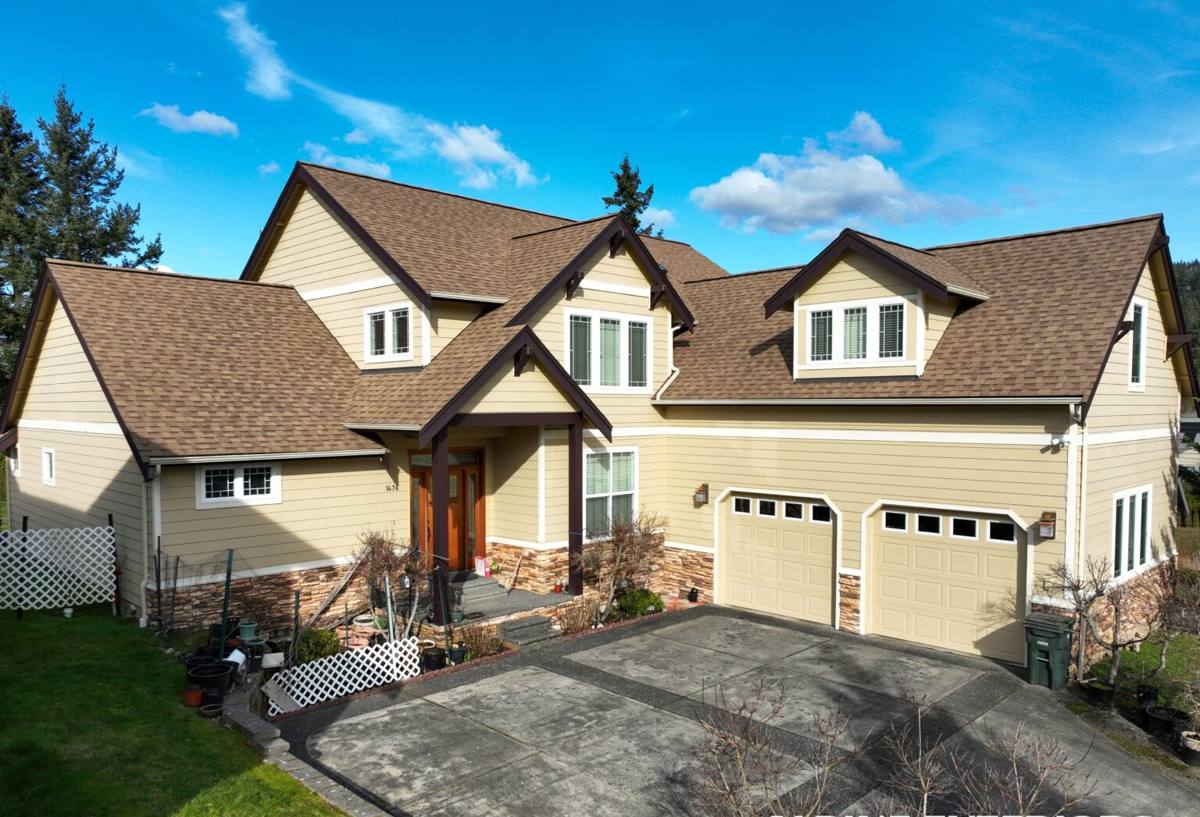
What Local Homes in St. Petersburg Actually Need From a Roof
Wind Resistance That Meets Florida's Building Code, Not Just National Minimums
Florida's building code, and Pinellas County's local amendments to it, set wind-uplift and fastening requirements that are stricter than what you'd find in a generic national roofing spec. A correctly installed roof in this area accounts for wind uplift at the edges and corners of the roof plane, where suction forces are highest during a hurricane or strong tropical storm. This means proper nailing patterns, correct fastener length and spacing, and in many cases enhanced attachment at eaves, ridges, and rakes.
UV Stability
Constant sun exposure breaks down roofing materials from the surface inward. Asphalt shingles lose granules over time, which accelerates aging of the asphalt underneath. Underlayment that is not UV-rated can degrade if it's left exposed even briefly during installation delays. Choosing products rated for high-UV climates, and not leaving materials exposed longer than necessary during the job, both matter more here than they would further north.
Corrosion Resistance in Salt Air
Being close to the Gulf and Tampa Bay means airborne salt is part of daily life for anything metal on your roof — flashing, drip edge, fasteners, and vents. Standard fasteners can corrode faster in this environment. We favor corrosion-resistant fastener and flashing materials appropriate for coastal Pinellas County conditions rather than the cheapest option that happens to meet code on paper.
Wind-Driven Rain Management
Straight-down rain is easy for almost any roof to shed. Wind-driven rain, which comes in sideways or at a steep angle during a storm, is what actually finds the gaps — at flashing laps, valleys, penetrations, and eaves. Underlayment quality and flashing detail work carry more weight in this climate than in places where storms are rare.
What a Correct New Roof Installation Involves
A new roof is more than laying shingles over the old ones. Here's what should happen on every job, regardless of which product you choose:
- Full tear-off of the old roofing material down to the deck, so the deck itself can be inspected — not just covered up
- Deck inspection and repair or replacement of any rotted, delaminated, or soft plywood/OSB sheathing
- Correct underlayment installation, including self-adhered waterproof underlayment at eaves, valleys, and other vulnerable areas as required by code
- New drip edge and flashing at all roof edges, penetrations, walls, and valleys — reused old flashing is a common shortcut that causes future leaks
- Proper fastening pattern and fastener count matched to Florida's wind-uplift requirements for your roof's specific slope and exposure
- Ventilation check, including intake and exhaust balance, so the attic isn't trapping heat and moisture
- Final inspection and, where required, coordination with the local building department for permitting and inspection sign-off
Comparing Roofing Material Options for St. Petersburg's Climate
| Material | Wind/Storm Performance | UV & Heat Behavior | Maintenance Considerations |
|---|---|---|---|
| Architectural Asphalt Shingle | Good, when installed with proper fastening pattern and wind-rated product | Granule loss over time from constant UV; quality varies by product line | Periodic inspection after storms; most cost-effective upfront |
| Metal (Standing Seam) | Excellent uplift resistance when properly fastened | Reflects heat well, holds up strongly to UV over decades | Higher upfront cost; needs correct fastener/coating choice for salt air |
| Tile (Concrete or Clay) | Strong wind performance but individual tiles can be dislodged by debris | Very stable under UV; minimal fading over time | Heavier structure requirement; underlayment failure is the usual long-term issue, not the tile itself |
We'll walk through which option makes sense for your home's structure, budget, and how long you plan to stay in it — there's no single "best" material for every St. Petersburg roof, only the best fit for your situation.
Our Process, Start to Finish
1. On-Site Inspection and Honest Assessment
We look at your current roof's condition, the deck (where visible or accessible), attic ventilation, and any problem areas you've noticed — soft spots, stains on ceilings, missing shingles after the last storm. You get a straight answer on whether you need a full replacement or whether a repair is genuinely sufficient.
2. Written Estimate With Real Line Items
You'll see what's being replaced, what material is being used, and what the scope covers — not a vague lump-sum number.
3. Permitting
Roof replacements in Pinellas County require a permit. We handle that process so you're not the one navigating it.
4. Tear-Off and Deck Inspection
This is the point where hidden problems, if any exist, get found and addressed before anything new goes down.
5. Installation
Underlayment, flashing, and roofing material installed to code-compliant wind-uplift and fastening standards for this region.
6. Final Walkthrough and Inspection
We review the completed roof with you and coordinate the required municipal inspection.
Why Hiring a Crew That Already Works St. Petersburg Matters
Roofing crews that primarily work inland, drier climates sometimes bring habits that don't hold up here — lighter fastening schedules, skipping enhanced flashing details, or using underlayment that isn't rated for extended UV exposure during installation delays common with Florida's unpredictable rain patterns. A crew that regularly works in St. Petersburg and greater Pinellas County already knows the local wind-uplift requirements, has a working relationship with the local permitting process, and has seen firsthand what actually fails on roofs in this specific climate versus what merely looks fine for the first year or two.
There's also the matter of accountability. A contractor based in the area, working out of Largo, is going to be reachable after the job is done — for warranty questions, for a post-storm inspection, or if something needs a second look. That local presence is worth factoring into who you hire, not just the number on the estimate.
Signs Your St. Petersburg Home May Need a New Roof, Not a Repair
- Roof is nearing or past the manufacturer's expected lifespan for its material type
- Multiple areas of granule loss or bald spots on asphalt shingles
- Repeated leaks in different locations after storms, rather than one isolated spot
- Visible sagging in the roofline, which can indicate deck or structural issues
- Curling, cracking, or missing shingles across large sections rather than a few isolated spots
- Rising energy bills that may point to failing attic ventilation or insulation tied to roof condition
If you're only seeing one or two of these, a repair may still be the right call — we'll tell you honestly if that's the case rather than pushing a full replacement you don't need yet.
Cost Factors to Understand Before You Get Quotes
Roofing costs vary based on several factors that are worth understanding before you compare estimates:
- Roof size and complexity — more valleys, hips, dormers, and penetrations mean more labor and flashing detail work
- Material choice — asphalt, metal, and tile carry different material and labor costs
- Deck condition — hidden rot discovered during tear-off adds cost, but skipping this step just hides a future problem
- Wind-uplift and fastening requirements — enhanced fastening for high-wind zones can affect labor time and fastener cost
- Permit and inspection fees — set by the local jurisdiction, not by the contractor
Be cautious of a quote that's dramatically lower than others in Pinellas County — it often means a corner is being cut somewhere in the underlayment, flashing, or fastening spec, and that's exactly where St. Petersburg's climate finds the weakness.
Get a Free, No-Pressure Estimate
If your St. Petersburg home's roof is showing its age, or you just want an honest read on where it stands, we're glad to take a look. Fill out the form below to schedule a free estimate — no pressure, no obligation, just a clear picture of your options.