 Largo Siding
 Roofing on a Barrier Island Is a Different Job
Redington Beach sits on a narrow strip of sand between the Gulf of Mexico and the Intracoastal Waterway, and that location changes what a roof has to survive. Homes here take direct salt spray almost every day, sit exposed to wind with no tree lines or neighboring buildings to break it, and bake under Gulf Coast sun for most of the year. A roofing job that would hold up fine a few miles inland in Largo can fail early on the beach if it's not built with those conditions in mind.
When we install a new roof in Redington Beach, we're not just matching code minimums. We're accounting for wind uplift on an exposed structure, corrosion on every metal component, and UV degradation that runs faster this close to open water. Getting those details right at installation is what determines whether a roof lasts 15 years or 25.
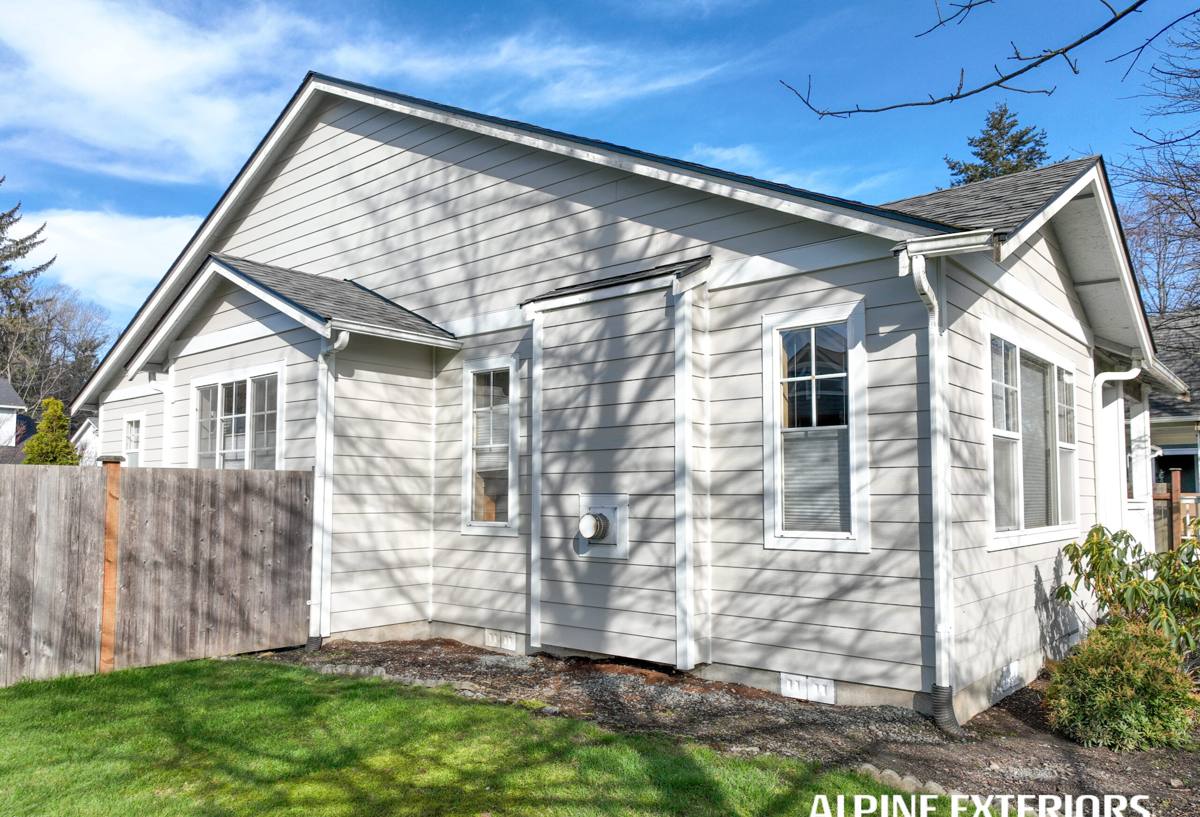
What Salt Air, Wind, and UV Actually Do to a Roof
Salt Air and Corrosion
Airborne salt settles on every exposed surface and accelerates corrosion of anything metal — nails, flashing, drip edge, vent stacks, and fasteners. Standard galvanized fasteners can start corroding well before the shingles or roofing material around them wear out. Once fasteners weaken, the roof's wind resistance drops with them, since wind uplift ratings depend on every nail holding.
Wind Exposure
Redington Beach homes are directly exposed to Gulf wind with little to no windbreak. During tropical storms and hurricanes, wind doesn't just push down on a roof — it creates uplift pressure that tries to peel roofing material off from the edges and corners inward. Roof edges, corners, and ridge lines take the highest loads and are where poor installations fail first.
UV and Heat
Year-round Florida sun breaks down asphalt shingle oils, dries out sealants, and fades color faster on a barrier island than it does further inland, where haze and humidity offer a little more buffering. A roof underlayment or shingle that isn't rated for high UV and heat exposure will show granule loss, cracking, and brittleness sooner than its rated lifespan suggests.
Wind-Driven Rain
Storms here don't just drop rain straight down — wind pushes it sideways and up under roof edges, valleys, and penetrations. A roof that only sheds water well in calm conditions isn't enough. Every seam, flashing point, and penetration needs to be sealed and lapped correctly to keep wind-driven rain from finding its way into the deck.
Signs a Redington Beach Roof Needs Replacement, Not Repair
Not every roof problem calls for a full replacement, but on the beach, roofs age faster and problems compound quicker. Watch for:
- Shingles that are curling, cracking, or losing granules in patches, especially on the sides facing the water
- Soft spots or sagging when walked on, which usually means deck damage underneath
- Rust streaks around metal flashing, vents, or fasteners
- Daylight visible through the roof deck from the attic, or water stains on interior ceilings
- A roof approaching or past 15–20 years old, especially if it's never had underlayment or flashing upgraded
- Multiple recent repairs in different spots — a sign the roof system as a whole is wearing out, not just one section
If you're seeing two or more of these, it's worth having someone look at the whole roof rather than patching the same symptoms repeatedly.
What a Correct New Roof Installation Actually Involves
A new roof is more than laying down new shingles or panels. The parts nobody sees are what determine whether the roof performs in a storm or leaks quietly for years before it's caught.
Tear-Off and Deck Inspection
We remove the old roofing down to the deck rather than installing over it. This lets us actually inspect the plywood or OSB deck for soft spots, water damage, and delamination — problems that are common on older coastal homes and that get hidden, not fixed, if you roof over them. Damaged decking gets replaced before anything new goes down.
Underlayment
Underlayment is the roof's backup water barrier if wind or storm damage compromises the outer layer. On a home this exposed, we use underlayment rated for high wind and heat, and pay close attention to lapping it correctly so water is shed downhill at every seam, not trapped.
Flashing and Penetrations
Every place the roof plane is interrupted — chimneys, vents, skylights, wall intersections — is a potential leak point. Flashing has to be installed in the correct order relative to the underlayment and roofing material (not just caulked over gaps) so water is directed out, not in. On a salt-exposed home, we favor flashing and fasteners with corrosion resistance built in, not just a coating that will wear off in a few seasons.
Fastening for Wind
Nail pattern and fastener count matter as much as the roofing material itself for wind performance. We follow manufacturer specifications for high-wind zones, which typically means more fasteners per shingle or panel and specific placement, not just "enough to hold it down."
Ventilation
Proper attic ventilation keeps heat and moisture from building up under the roof deck, which extends the life of both the roofing material and the deck itself. On coastal homes, ventilation components also need to be able to handle wind-driven rain without letting water in.
Roofing Material Options for a Coastal Home
There's no single "best" roofing material for every home — the right choice depends on your budget, the home's structure, and how much maintenance you want to commit to. Here's an honest comparison of what we typically install or evaluate for coastal Pinellas County homes:
| Material | Typical Lifespan | Wind Performance | Salt Air Considerations |
|---|---|---|---|
| Architectural asphalt shingles | 15–25 years | Good, with high-wind rated products and correct fastening | Granule and oil breakdown accelerated by sun and salt; choose a shingle rated for the exposure |
| Standing seam metal | 30–50 years | Excellent when properly installed and fastened | Needs corrosion-resistant coatings and fasteners; performs very well long-term near salt water |
| Concrete or clay tile | 30–50 years | Very good, but individual tiles can be dislodged in extreme wind if not properly secured | Tile itself resists salt well; underlayment and fastening are what determine longevity |
| Flat/low-slope membrane (for additions, porches) | 15–20 years | Depends on attachment method and seam quality | Seams and edges need extra attention in wind-driven rain conditions |
We'll walk through these trade-offs with you honestly, including realistic maintenance expectations, rather than steering you toward whatever's easiest for us to install.
Our Process for a Redington Beach Roof Replacement
- On-site inspection and estimate. We look at the current roof, deck condition, and any problem areas, and give you a clear, no-pressure written estimate.
- Material selection. We go over options based on your budget, the home's structure, and how it's exposed to wind and salt.
- Permitting. New roof installations require a permit through Pinellas County or the local jurisdiction, along with inspections at defined points in the job. We handle this process for you.
- Tear-off and deck repair. Old roofing comes off, the deck is inspected, and any damaged sections are replaced before moving forward.
- Underlayment, flashing, and installation. The roofing system goes on in the correct sequence, with attention to fastening patterns and every penetration point.
- Final inspection and cleanup. The job gets inspected per code requirements, and we clear the site of debris and old material.
Permits and Code Requirements in This Area
New roof installations in Pinellas County are permitted work, not something that should be done off the books. Permitting ensures the roof deck, underlayment, and fastening meet current Florida Building Code wind requirements — which matter a lot more on an exposed barrier island than they might elsewhere. We pull the required permits and schedule the inspections that go with them as a normal part of the job, so you have documentation that the work meets code if you ever need it for insurance or resale.
Why It Matters That We Already Work in Redington Beach
Beach communities have logistics that inland neighborhoods don't: narrow streets, limited staging space, tighter parking, and homes built close together. A crew that hasn't worked this area before loses time figuring that out on your job. We already know how to stage material, protect landscaping and neighboring properties, and work efficiently in these conditions.
More importantly, we know what actually fails on roofs out here versus roofs a few miles inland in Largo. That's not something you can look up — it comes from doing the work in this specific environment repeatedly. It shapes which fasteners we spec, how we detail flashing, and which materials we recommend for a home that faces open water every day.
Questions Worth Asking Any Roofing Contractor
- Are you licensed and insured to work in Pinellas County, and can you provide proof?
- Will you tear off and inspect the deck, or install over the existing roof?
- What fastener and flashing materials are you using, and are they rated for coastal salt exposure?
- Who pulls the permit, and how are inspections scheduled?
- What's the manufacturer's wind rating for the specific product being installed, and does the installation method meet it?
- What does the warranty actually cover — material only, or workmanship too?
A straight answer to every one of these is a reasonable thing to expect before signing anything.
Get a Straightforward Estimate
If your Redington Beach roof is aging, storm-damaged, or you're just not sure whether it's a repair or replacement situation, we're glad to take a look. We'll give you an honest assessment of what your roof actually needs, walk you through material options that make sense for a home this exposed to wind and salt air, and provide a clear written estimate — no pressure, no upsell. Reach out using the form below to schedule a free estimate.