 Largo Siding
 Windows on a Barrier Island Take a Different Kind of Beating
Madeira Beach homes sit closer to the Gulf than almost anywhere else in Pinellas County, and that location shows up in the windows first. Salt-laden air corrodes hardware and pits aluminum frames faster than it does even a few miles inland. Year-round UV breaks down vinyl and rubber seals, which is usually why a window starts sticking, fogging between the panes, or letting in a draft years before the glass itself fails. Add wind-driven rain that gets pushed sideways during summer storms and outright hurricane-force gusts during the season, and you have a set of conditions that most window products sold nationally simply weren't built around.
None of this means Madeira Beach homeowners need to replace windows constantly — it means the replacement has to be matched to the environment from the start. A window that performs fine in a subdivision fifteen miles inland can underperform here within a few storm seasons if it's the wrong product or installed loosely.
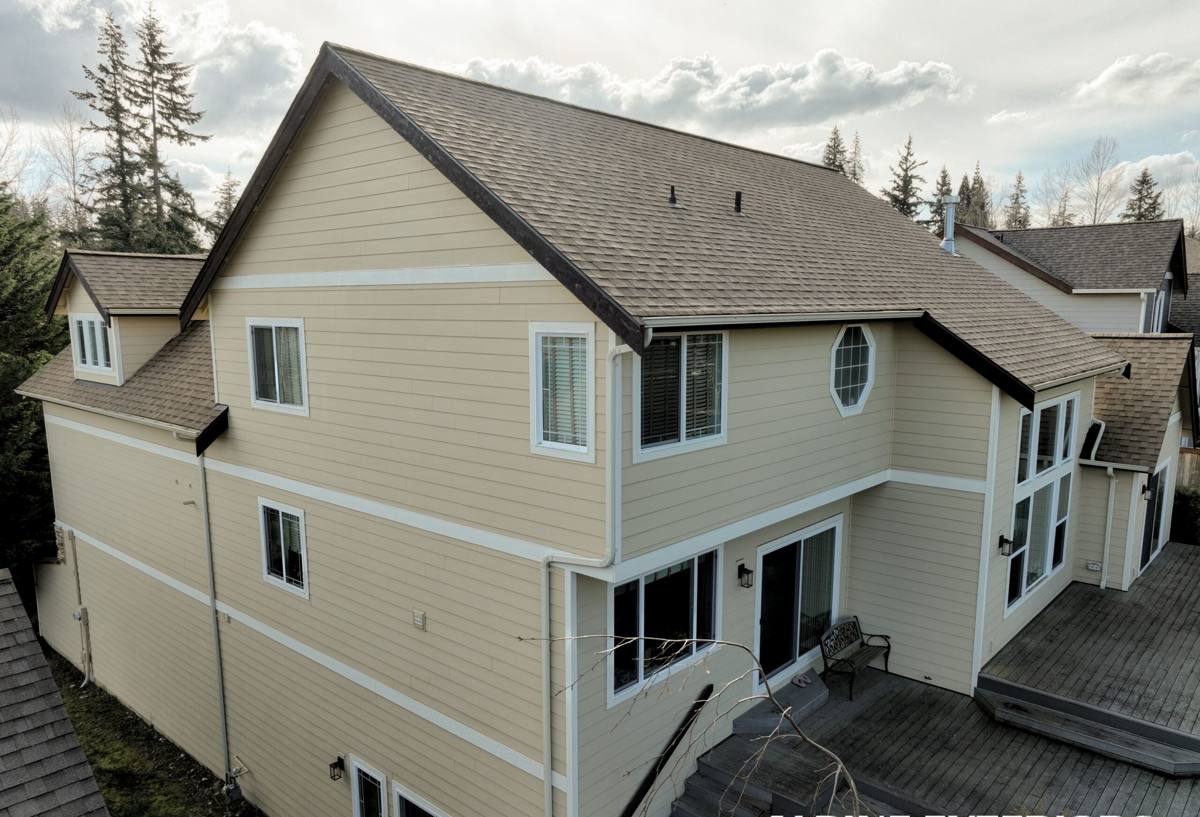
What Correct Window Replacement Actually Involves
Window replacement is often talked about like a swap: old window out, new window in. On a coastal Largo-area home, the window unit itself is maybe half the job. The other half is everything around it — the opening, the flashing, and the seal that keeps wind-driven rain from finding its way behind the frame.
The parts that actually determine performance
- Removing the old unit without tearing up the rough opening, then checking that opening for rot, water staining, or settled framing before anything new goes in
- Flashing and sealing the opening correctly — this is the step most responsible for leaks years down the road, and it's invisible once trim goes back on
- Setting the window plumb, level, and square, then anchoring it to the manufacturer's specification, not just "however it fits"
- Sealing the interior and exterior with the right sealant for the substrate, not a generic caulk that will crack in a season
- Verifying the finished install meets the wind-load and impact rating the window is labeled for — a correctly rated window installed poorly does not perform to its rating
Skipping any of these steps is how a homeowner ends up with a brand-new window that still leaks in the next storm, or a frame that's already showing corrosion two years after installation.
Impact-Rated Glass, Film, and Shutters — Understanding the Options
Because Madeira Beach sits directly on the Gulf, homes here typically fall within Florida's windborne debris region, which means impact-rated glass or an approved alternative form of opening protection is generally required by code when windows are replaced. There's more than one way to meet that requirement, and each comes with real trade-offs worth understanding before you decide.
| Option | What It Is | Trade-offs |
|---|---|---|
| Impact-rated windows | Laminated glass and reinforced frame built to stay intact under wind-borne debris impact | Higher upfront cost; no separate storm prep needed before a storm; often reduces noise and UV transfer as a side benefit |
| Standard glass + hurricane film | Film applied to existing or standard glass to help hold shards together on impact | Lower cost, but does not carry the same certified impact rating as laminated glass and does not address an aging frame or seals |
| Standard windows + removable shutters or panels | Non-impact glass paired with separate storm protection installed before a storm | Lowest window cost, but requires someone to install protection every storm and leaves glass unprotected the rest of the year |
We install impact-rated windows as our standard recommendation for Madeira Beach because it's the only one of the three that protects the home every day of the year, not just when protection has been put up in time. That's our professional standard based on year-round performance — homeowners who prefer a different approach for budget or preservation reasons still get an honest rundown of what each option does and doesn't cover before we start.
Frame Material Matters as Much as the Glass
Frame choice is where a lot of the long-term maintenance difference comes from. Aluminum has a long track record in coastal Florida but is more prone to corrosion and pitting near salt air over time unless it's a marine-grade finish. Vinyl resists corrosion entirely but can soften or discolor under sustained direct UV exposure if it's a lower-grade product. Fiberglass holds up well against both salt air and UV but costs more upfront. We'll walk through which frame material fits your home's exposure, budget, and how long you plan to own it — there isn't one universal right answer, but there is usually a clear best answer for your specific house.
How We Approach a Madeira Beach Window Job
1. On-site assessment
We look at each opening individually — not just the glass, but the framing behind it, signs of past water intrusion, and how exposed that side of the house is to prevailing wind and rain.
2. Product selection
Based on that assessment, we go over impact rating, frame material, and finish options that fit both the home and the budget, with straightforward pricing and no pressure to upsize beyond what the house actually needs.
3. Permitting
Window replacement in Largo and the surrounding Pinellas County jurisdictions generally requires a permit, and product approval documentation has to match what's actually installed. We handle that paperwork as part of the job so it isn't left to the homeowner to sort out.
4. Installation
Removal, opening inspection, flashing, setting, anchoring, and sealing — done in the sequence and to the spec that keeps the window's rated performance intact, not just the sequence that's fastest.
5. Final check and cleanup
Every completed window gets checked for operation, seal, and finish before we consider the job done, and the work area is cleaned up like we're the ones who have to live there.
Signs It's Time to Replace Rather Than Repair
- Fogging or condensation trapped between panes — the seal has failed and can't be repaired, only replaced
- Windows that are difficult to open, close, or lock, especially after a storm season
- Visible corrosion or pitting on aluminum frames or hardware
- Soft, discolored, or warping frame material around the window edges
- Noticeable drafts or a persistent musty smell near the window during wind-driven rain
- Rising energy bills without another clear explanation, which often points to failed seals or single-pane glass
- Visible daylight or gaps around the frame when the window is closed
If a window is showing more than one of these, replacement is usually more cost-effective long-term than continuing to patch it, especially heading into another storm season.
Cost Factors Homeowners Should Actually Weigh
| Factor | Why It Moves the Price |
|---|---|
| Impact rating | Laminated impact glass costs more than standard glass but removes the need for separate storm protection |
| Frame material | Vinyl is typically the most budget-friendly; fiberglass and higher-grade aluminum finishes cost more but last longer near the coast |
| Window size and configuration | Larger openings, sliders, and picture windows cost more than standard double-hung sizes |
| Condition of the existing opening | Rot or damage found behind the old frame adds repair work before the new window can go in |
| Number of windows | Whole-house replacements typically bring a better per-window cost than one-off replacements |
We give a broad honest range up front once we've seen the actual openings, rather than a number pulled from a national average that has nothing to do with a Madeira Beach house.
Why Hiring a Crew That Already Works This Area Matters
A contractor based elsewhere in the Tampa Bay area can still do a technically fine window install. What they often don't have is day-to-day familiarity with how Madeira Beach and Largo permitting offices want paperwork submitted, how quickly conditions here call for storm-appropriate scheduling, or what past jobs in this specific salt-air environment have taught about frame material and sealant choices that actually hold up. We're a Largo-based crew that works this stretch of Pinellas County regularly, which means fewer surprises during permitting, a realistic sense of local weather windows for scheduling installation, and accountability from a company that isn't driving in from out of town.
That local footprint also matters after the sale. If a question comes up about a window's performance during the next storm season, you're calling a crew that's a short drive away and already knows your house, not chasing down a company that only worked in the area once.
Ready for a Straight Answer on Your Windows?
If your Madeira Beach home has windows that are fogging, sticking, drafty, or just old enough that you're wondering if they'd hold up in the next storm, we're happy to take a look and give you an honest read on what's needed — no pressure, no inflated scope. Fill out the form below for a free estimate and we'll walk the property with you.