 Largo Siding
 Roofing on a Barrier Island: What Madeira Beach Asks of a Roof
Madeira Beach sits out on the Pinellas County barrier islands, with saltwater close on more than one side and only a short stretch of open Gulf between the roofline and the next tropical system. That position is why roofs here age differently than roofs a few miles inland in Largo. The same shingle or tile that lasts decades on a mainland home can show fastener corrosion, granule loss, or flashing failure years earlier out here, simply because of what the air, sun, and wind do to it every single day, not just during hurricane season.
Largo Siding Company repairs roofs throughout Madeira Beach and the surrounding Pinellas County barrier communities. We're not describing this climate from a brochure — it's the same salt, sun, and wind our crews work in on every job. Roof repair in this area isn't just patching a leak; it's understanding why that particular spot failed first, and making sure the fix doesn't just move the problem to the next weak point on the roof.
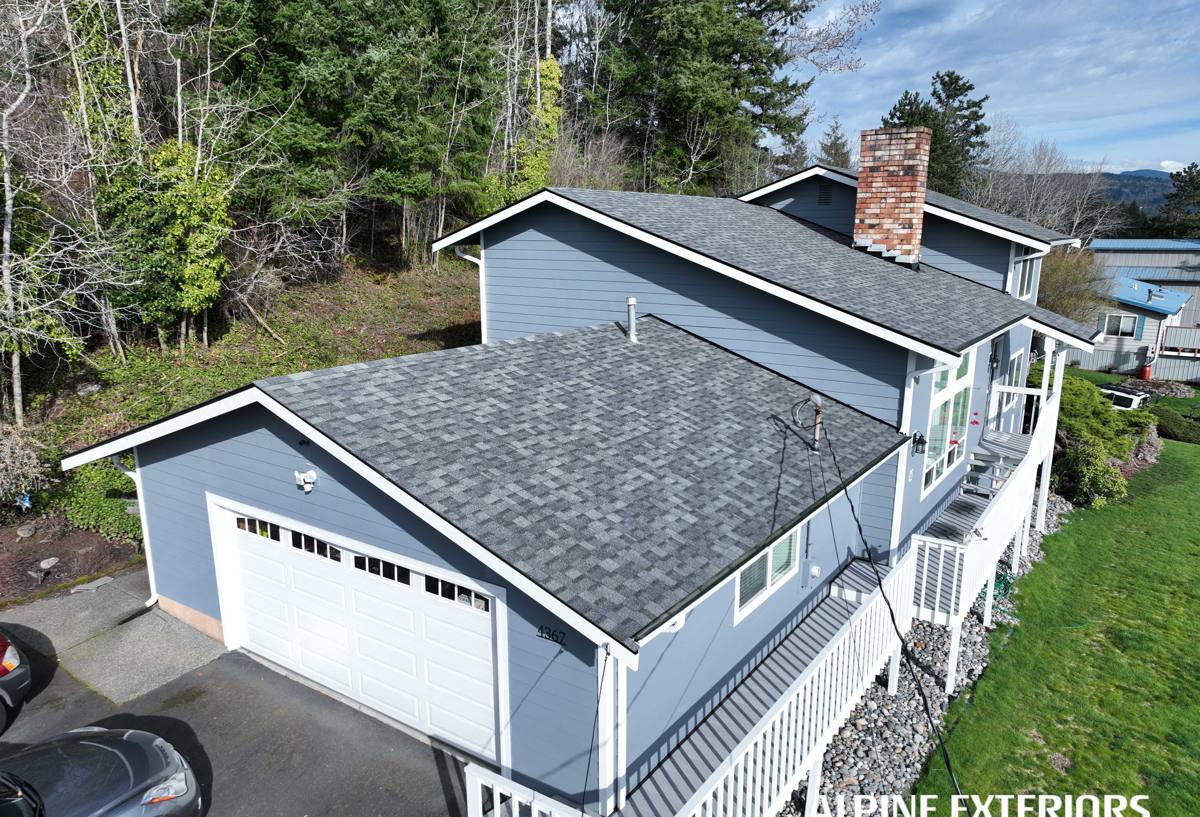
Why Roofs Fail Faster on the Barrier Islands
Three forces do most of the damage to Madeira Beach roofs, and they rarely act alone. Understanding which one is driving a given repair changes how it should be fixed.
Salt Air and Corrosion
Airborne salt travels well inland from the Gulf, but on a barrier island like Madeira Beach, homes sit directly in its path with no buffer of trees or terrain to slow it down. Salt-laden moisture settles on metal flashing, roofing nails, screws, drip edge, and vent stacks, and it accelerates corrosion far faster than the same materials would experience even a few miles inland. A roof that looks intact from the ground can have flashing or fasteners underneath that have quietly weakened over several seasons of that exposure.
Wind Uplift and Storm Cycling
Every roof on this stretch of coast deals with sustained onshore wind on ordinary days, not just during named storms. That constant low-level wind loading, combined with hurricane-force gusts during tropical systems and wind-driven rain from seasonal thunderstorms, cycles roofing materials and fasteners over and over. Corners, ridges, and eave edges — the areas with the highest uplift pressure in any wind event — are usually where we find the first signs of lifted shingles, cracked tiles, or loosened flashing.
UV Exposure and Heat
Florida sun is intense everywhere, but reflective Gulf water and open sightlines mean Madeira Beach roofs get long, unshaded exposure most of the year. UV breaks down asphalt shingle granules and dries out sealants and underlayment faster than shaded or inland roofs experience. Combined with attic heat buildup, this shortens the useful life of sealant beads, pipe boots, and any exposed adhesive well before the shingles or tiles themselves are actually due for replacement.
Attic Ventilation Under Coastal Stress
Heat and humidity make attic ventilation more important here than it is inland, and a poorly ventilated attic makes every one of the problems above worse. Trapped heat accelerates the breakdown of underlayment and sealants from below at the same time UV is working on the surface from above, and trapped humidity gives corrosion and mold more to work with. When we're already up on a roof for a repair, we check ventilation as a matter of course, because a repair on a roof with a ventilation problem tends to be a repeat visit.
Common Roof Repairs We Handle in Madeira Beach
Shingle Roofs
Wind-lifted or missing shingles, cracked or curling tabs, and granule loss around valleys and ridges are the most frequent calls. We replace damaged shingles in matching courses rather than patching over them, and we check the underlayment and nail pattern underneath before closing the area back up — a shingle that looks fine on top can still be sitting over a compromised fastener or a gap in the underlayment.
Tile Roofs
Cracked, slipped, or broken tiles are common after storm cycling, and the real damage is often underneath: torn underlayment or displaced battens that let water in long before a homeowner notices a stain inside. Tile repair means matching the profile and color as closely as possible and correcting whatever let the tile move or crack in the first place, not just resetting the piece back in place.
Flat and Low-Slope Sections
Coastal homes in this area frequently have flat or low-slope roof sections over porches, additions, or garages. These areas rely on membrane seams and proper drainage, and they're especially vulnerable to standing water and UV breakdown. We check seam integrity and slope-to-drain before doing any patch work, since a patch on a section that isn't draining correctly will simply fail again in the same spot.
Flashing, Penetrations, and Edges
Chimney flashing, vent boots, skylight curbs, and roof-to-wall transitions are where the large majority of leaks actually start — not in the open field of the roof. Wind-driven rain finds its way in through these connection points long before it works through an intact shingle or tile field, and salt air corrosion combined with constant wind flexing makes them the first spots to fail on a barrier island roof. They're the first place we inspect on every repair call, whether or not that's where the homeowner noticed the problem.
What a Correct Roof Repair Actually Involves
A roof repair that holds up in this environment is not just about stopping today's leak. Done correctly, it involves a few steps that shouldn't be skipped:
- Finding the actual source of water intrusion, which is often several feet from where the stain or drip shows up inside the house
- Checking the decking underneath damaged roofing for soft spots, delamination, or rot before installing anything on top of it
- Matching shingle or tile type, profile, and color as closely as possible so the repair doesn't stand out or create an uneven wear pattern later
- Using corrosion-resistant fasteners and flashing suited to coastal exposure, not standard inland-grade hardware
- Re-sealing and re-flashing penetrations correctly, rather than relying on caulk or roof cement as a standalone fix
- Confirming the completed repair meets current Florida Building Code wind-resistance requirements for the work performed
Skipping any of these is how a "fixed" roof ends up leaking again in the next storm season, usually in the same spot, sometimes worse than before.
Repair or Replace? Cost Factors to Weigh
Not every roof problem calls for a full replacement, and not every leak can be permanently solved with a patch. These are the factors that usually decide which direction makes sense for a given roof:
| Factor | Points Toward Repair | Points Toward Replacement |
|---|---|---|
| Age of roof | Under 10-15 years, isolated damage | Nearing or past its expected service life |
| Extent of damage | Localized to one section or penetration | Widespread granule loss or multiple leak areas |
| Decking condition | Solid, no rot found on inspection | Soft spots or rot found in more than one area |
| Storm history | Single event, isolated impact | Repeated storm cycling over several seasons |
| Long-term plans | Budget-driven, near-term fix is the priority | Wind mitigation credit or resale value is a priority |
Broad costs vary a lot depending on material, roof pitch, and access, but a simple flashing or shingle repair is typically a modest, single-visit expense, while extensive tile or decking repair work runs higher because of the labor and material matching involved. We'll tell you honestly when a repair is the right call and when patching would just be spending money to delay a replacement you're going to need soon anyway.
Signs Your Madeira Beach Roof Needs Attention
Because salt air and wind work faster on coastal roofs, it pays to check more often than you would on an inland home. Watch for:
- Water stains on ceilings or interior walls, especially near exterior walls or chimneys
- Shingles that look lifted, curled, or are simply missing after a windy day
- Cracked, slipped, or missing roof tiles
- Rust streaks running down from flashing, vents, or fasteners
- Granules collecting in gutters or at downspout outlets
- Soft or spongy spots underfoot when walking the roof — best confirmed by a professional
- Visible daylight through the attic decking
- A musty smell or unusual humidity buildup in the attic
Any one of these is worth a call before the next storm system moves through, not after.
Our Roof Repair Process
We keep the process straightforward, because roof problems are stressful enough without added confusion:
- Inspection. We get on the roof, and in the attic when needed, to find the actual source of the problem, not just the visible symptom.
- Honest assessment. We explain what we found, what caused it, and whether a repair or a replacement makes more sense — in plain terms, with no upselling.
- Written estimate. You get a clear scope of work and price before anything starts.
- The repair. Matched materials, corrosion-resistant fasteners, and proper flashing technique, done in a single focused visit whenever the scope allows it.
- Cleanup and walkthrough. We clear debris from the property and walk you through what was done and what to keep an eye on going forward.
Why a Crew That Already Works Madeira Beach Matters
Roofing work on the barrier islands isn't identical to roofing work a few miles inland, and a contractor who mostly works mainland Largo or Clearwater neighborhoods won't necessarily know the difference until it shows up as a callback. A crew that regularly works Madeira Beach roofs already understands the corrosion rate on fasteners out here, the wind exposure at open, unshaded lots close to the Gulf, and the access realities of barrier island homes — narrower lots, closer neighbors, and in many cases older roof structures built to a different code cycle than what's required today.
There's also a practical side: after a coastal storm, response time matters, and a crew already familiar with the area and Pinellas County's permitting requirements can move faster than one starting from scratch on unfamiliar territory. We'd rather earn that trust by doing the repair correctly the first time than by being the fastest bid on the page.
If you're dealing with a leak, storm damage, or just want a second, honest opinion on the condition of your roof, we're happy to take a look. Reach out for a free, no-pressure estimate using the form below.