 Largo Siding
 Roofs on Indian Rocks Beach Take a Different Kind of Beating
Indian Rocks Beach sits right on the barrier island strip along the Gulf of Mexico, and that location changes what a roof has to survive year after year. Homes just a few miles inland in Largo deal with heat, humidity, and the occasional storm. Out on the island, you add constant salt air, wind that has nothing to slow it down before it hits your roofline, and wind-driven rain that gets pushed sideways into places a roof was never designed to shed water from. Add Pinellas County's intense, near year-round UV exposure baking shingles and sealants from above, and you have a roof system that ages faster and fails differently than one a few miles east.
That's the backdrop for every storm damage repair we do out here. It's not just "patch the hole." It's understanding why the damage happened where it happened, and making sure the repair holds up the next time wind and rain come through together.
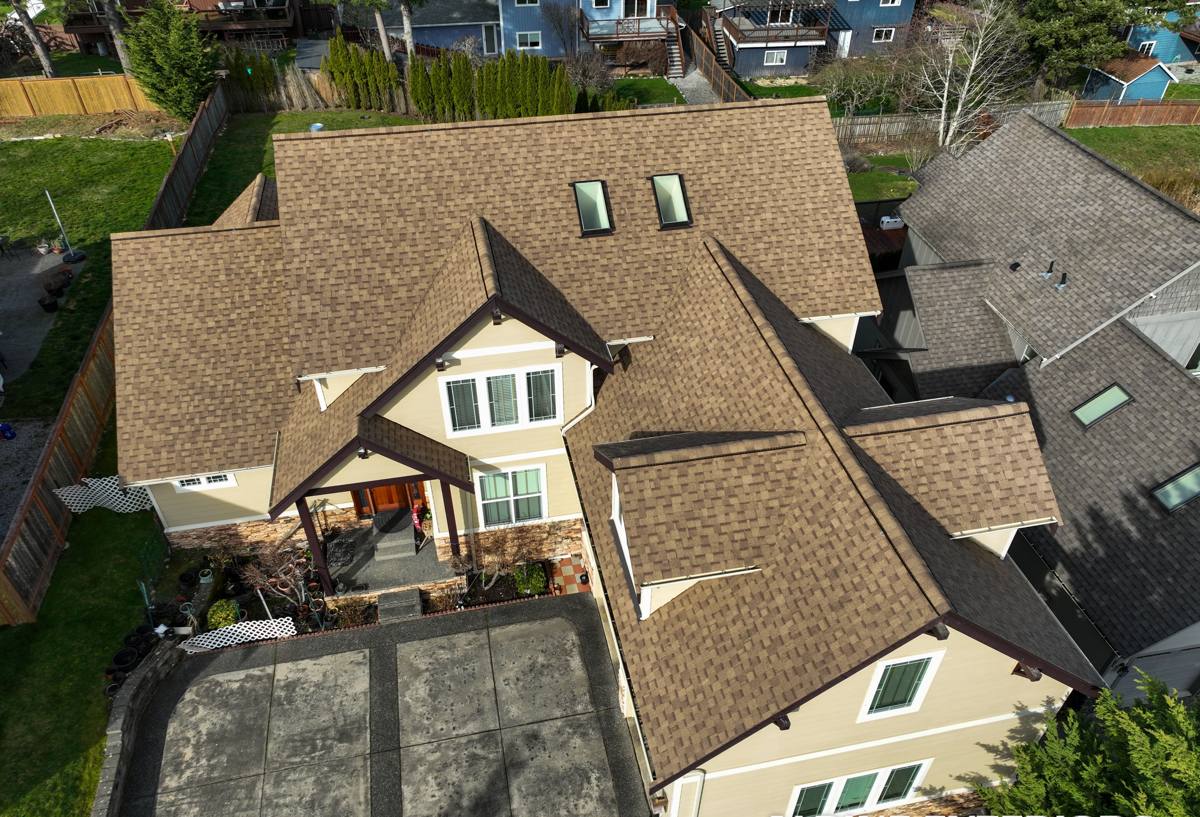
What Storm Damage Actually Looks Like on an Indian Rocks Beach Roof
Wind Damage
Wind uplift almost always starts at the edges — the eaves, the rakes, and the ridge — because that's where wind pressure is highest as it wraps around a roofline. On barrier island homes with open exposure to the water, we regularly see lifted or missing shingles concentrated along one edge of the roof, cracked or torn ridge cap, and shingles that look intact from the ground but have broken seals underneath. A shingle that's lost its seal isn't obviously "damaged" — it just needs the next storm to finish the job.
Water Intrusion
Wind-driven rain doesn't fall straight down, it gets forced sideways and even upward under shingle edges, flashing, and vent boots. That means water can get into a roof system through damage that looks minor from the outside. The real damage shows up later as staining on an interior ceiling, a musty smell in an attic, or soft decking discovered during an unrelated repair.
Salt Air and Corrosion
This is the part of storm repair that's easy to overlook. Metal flashing, roofing nails, vent boots, and any exposed fasteners corrode faster this close to the Gulf than they would a few miles inland. A storm can expose or loosen flashing that was already weakened by salt corrosion, and a repair that ignores that will fail again well ahead of schedule.
What a Correct Storm Repair Actually Involves
Start With a Real Inspection, Not a Guess
Before any repair, we get on the roof (or use a close visual and moisture check when it's not safe to walk) and look past the obvious damage. That means checking the decking underneath missing or lifted shingles, checking every penetration — vent boots, chimney flashing, skylight curbs — and checking the attic for moisture staining that points to a leak path the exterior damage doesn't fully explain.
Match Materials and Code, Not Just Color
A patch repair needs to tie into the existing roof correctly — proper shingle lap, matching exposure, and flashing details that shed water the way the rest of the roof does. In coastal Pinellas County, that also means being mindful of the wind-resistance and water-barrier expectations that apply to roofing work this close to open water. We don't cut corners here because it's "just a repair" — a repair that doesn't meet the same standard as the surrounding roof is the next storm's weak point.
Use Fasteners and Flashing Built for the Coast
Given the corrosion issue described above, we use corrosion-resistant fasteners and flashing appropriate for salt-air exposure rather than whatever is fastest to grab off the shelf. It costs a little more up front and saves you from paying for the same repair twice.
Repair vs. Replacement: How We Help You Decide
Not every storm-damaged roof needs to come off. But a roof that's already near the end of its service life, or one that's taken repeated storm hits over the years, often reaches a point where patching costs more over time than replacing does. Here's how we think through it with homeowners:
| Factor | Repair Usually Makes Sense | Replacement Usually Makes Sense |
|---|---|---|
| Roof age | Under roughly 10-12 years, with the rest of the roof in good shape | Nearing or past typical service life for the material |
| Extent of damage | Isolated to one section or slope | Spread across multiple slopes or the ridge line |
| Storm history | First significant damage in years | Repeated damage or repairs in recent seasons |
| Decking condition | Solid, dry decking under the damaged area | Soft, stained, or water-damaged decking found during inspection |
| Insurance situation | Claim covers targeted repair scope | Adjuster or policy points toward full roof replacement |
We'll always give you the honest read on which side of that line your roof falls on — including when a repair is the right call even though a full replacement would be more profitable for us.
Our Process, From Your Call to a Finished Roof
- Initial contact and scheduling. We ask what happened, when, and what you're seeing (missing shingles, a leak, visible debris damage) so we show up prepared.
- On-site inspection. We assess the roof surface, flashing, penetrations, and — where accessible — the attic for signs of moisture.
- Temporary protection if needed. If there's active exposure, we get the roof dried in or tarped so the damage doesn't get worse while repairs are scheduled.
- Written scope and estimate. You get a clear explanation of what's damaged, what needs to happen, and what it will cost — before any work starts.
- Repair or replacement work. Done to match the existing roof system's standards, using coastal-appropriate materials and fasteners.
- Final walkthrough. We show you what was done and make sure you're satisfied before we consider the job finished.
Insurance and Documentation
Most storm damage repairs on the island involve an insurance claim, and the paperwork side matters as much as the repair itself. We document damage with clear photos before we touch anything, provide a detailed written scope that an adjuster can review, and are available to walk an adjuster through what we found if that's helpful to your claim. We're not a public adjuster and we don't handle your claim for you — but we make sure the roofing side of your documentation is thorough and accurate, which is often what determines whether a claim gets approved cleanly or gets kicked back for more information.
Why Hiring a Crew That Already Works Indian Rocks Beach Matters
After any significant storm, roofing crews from all over show up in coastal Florida looking for work, and some of them are gone before a warranty issue would ever surface. A crew that's based in the Largo area and works this stretch of Pinellas County regularly has a few advantages that matter more here than in most places: familiarity with how island homes are built (many are older, some elevated, many with roof lines and access that aren't straightforward), an understanding of the specific way wind and salt exposure damage roofs here compared to inland homes, and — practically — the ability to actually come back if a question or issue comes up after the work is done. Barrier island access, parking, and staging can also be tighter than a typical inland job site, and that's easier to navigate for a crew that's done it before.
A Homeowner's After-the-Storm Checklist
- Photograph any visible roof damage from the ground, plus any interior staining or leaks, before cleanup begins.
- Check the attic (if safely accessible) for damp insulation, staining, or daylight coming through the decking.
- Note the date and general conditions of the storm for your records and any insurance claim.
- Avoid walking on a roof you suspect is damaged — broken decking underneath isn't always visible.
- Get a professional inspection promptly, even if damage looks minor — small breaches let water in long before they look serious.
- Keep receipts for any emergency tarping or temporary repairs; insurers typically reimburse reasonable mitigation costs.
Let's Take a Look at Your Roof
If your roof took a hit and you're not sure whether it's a minor repair or something bigger, we'll come take an honest look and tell you what we actually see — no pressure, no inflated scope. Use the form below to request a free estimate, and we'll get back to you to schedule a time that works.