 Largo Siding
 Windows Built for an Indian Rocks Beach Address
Indian Rocks Beach sits about as close to the Gulf as a Pinellas County home can get, and that proximity changes what a window has to survive day to day. It's not just the named storms. It's the everyday grind of salt-laden air moving inland off the water, sun exposure that runs nearly year-round, and wind loads that spike fast when a squall line rolls through. Standard big-box replacement windows are engineered for a general climate zone, not for a barrier island block a few hundred yards from open water. Custom windows let us match the unit to the actual exposure your specific home faces, rather than installing whatever fits a generic opening.
We're a Largo-based crew, and Indian Rocks Beach is inside our regular service area — not a job we drive an hour to reach once a quarter. That matters more than it sounds like it should, and we'll get into why later in this page.
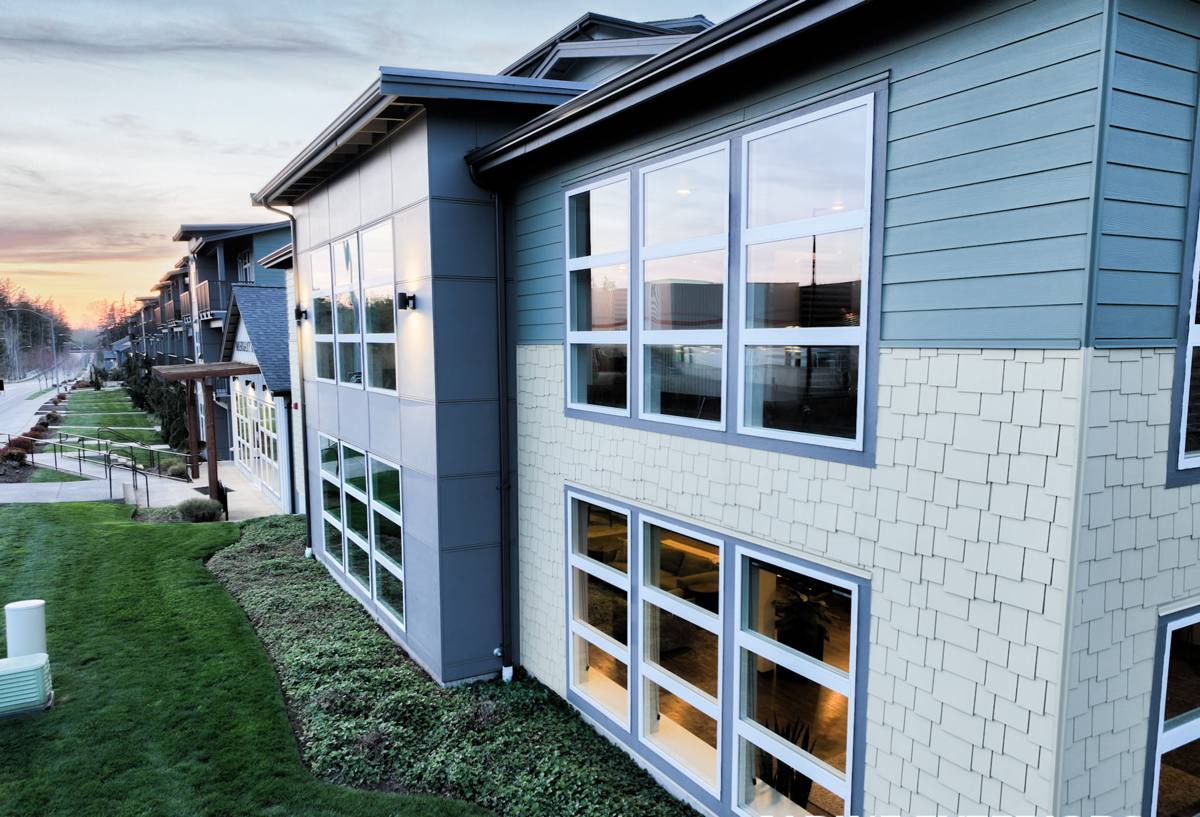
What Coastal Exposure Actually Does to a Window
Before talking about products, it's worth understanding the failure modes we're actually designing against. Every material and detail decision on this page traces back to one of these four stressors.
Hurricane-Force Wind Loads
Wind doesn't just push on glass — it creates pressure differentials that stress the frame, the anchoring, and the seal around the perimeter. A window that isn't rated and installed correctly for its specific wind zone can fail at the frame or the fastening long before the glass itself gives out.
Wind-Driven Rain
In a straight-down rainstorm, water sheds off a wall. In a wind event, rain gets driven sideways and upward into every gap, weep hole, and flashing detail. Most window leaks we get called out to inspect aren't glass failures — they're flashing and sealant failures that let wind-driven rain track behind the frame.
Year-Round UV
Florida sun is intense on a near-constant basis, not seasonally. UV breaks down cheap vinyl, dries out inferior sealants, and fades interior finishes, flooring, and furniture through unprotected glass. It also accelerates the aging of gaskets and weatherstripping that keep a window airtight.
Salt Air
Airborne salt is corrosive to hardware, fasteners, and certain frame finishes. On a beach community like Indian Rocks Beach, salt exposure is a daily condition, not an occasional storm event. Metal components that aren't rated for coastal use will corrode faster here than almost anywhere else in the county.
What "Custom Windows" Means for This Job
Custom doesn't mean decorative shapes or oversized statement windows, though we do those too. On a coastal job, custom most often means:
- Matching window size and configuration to openings that are rarely perfectly square on older beach-area homes
- Selecting impact-rated or reinforced glazing appropriate to your specific wind zone and exposure category
- Choosing frame materials and hardware finishes that resist salt corrosion rather than standard-grade components
- Sizing and placing units to meet current Florida Building Code wind pressure requirements for your exact elevation and orientation
- Coordinating glass tint or low-E coatings to cut UV and heat gain without darkening interior living space more than you want
In short, "custom" on this page means engineered to your house and your exposure, not off-the-shelf stock sized to the nearest standard opening.
Glazing and Frame Options — How to Think About Trade-Offs
There's no single "best" window for every Indian Rocks Beach property — a direct Gulf-front lot and a home a few blocks inland on the mainland side of the Intracoastal face different enough conditions that the right spec can differ. We walk through these trade-offs with every homeowner before quoting anything.
| Factor | What to Consider | Why It Matters Here |
|---|---|---|
| Glazing type | Impact-rated laminated glass vs. standard glass with separate shutters/covering | Impact glass stays in place during a storm and adds daily security and noise reduction; a covering system is a lower upfront cost but requires action before every storm |
| Frame material | Vinyl, aluminum, fiberglass, wood-clad | Corrosion resistance and long-term maintenance vary; we specify hardware finishes rated for salt exposure regardless of frame choice |
| Low-E coating | Coated vs. uncoated glass | Cuts UV transmission and interior heat gain, which matters with near-constant Florida sun exposure |
| Wind rating | Design pressure (DP) rating matched to your wind zone | Pinellas coastal properties generally require a higher DP rating than inland Largo addresses — this is a code issue, not a preference |
| Hardware | Standard vs. marine-grade or coastal-rated fasteners and locks | Standard hardware corrodes noticeably faster this close to the Gulf |
We're honest about the maintenance and cost trade-offs of each path rather than steering everyone to the same product. A window that's technically "better" on paper isn't the right call if it doesn't match your budget, your home's exposure, or how long you plan to own the property.
How We Handle a Custom Window Job
1. On-Site Assessment
We measure every opening individually — older Indian Rocks Beach homes and renovated properties alike frequently have openings that are out of square or non-standard, and assuming otherwise leads to gaps that leak. We also look at current flashing condition, sill pitch, and any existing water staining or damage around each opening.
2. Product Selection and Wind Rating Confirmation
We confirm the required design pressure rating for your specific address and elevation, then walk you through glazing and frame options that meet or exceed it. This is also when we discuss cost ranges and trade-offs in plain terms.
3. Removal and Opening Prep
Old units come out carefully to avoid damaging the surrounding wall assembly. We inspect the framing and sheathing underneath — this is often the only point in a window's life someone actually sees what's behind the old frame, and it's worth doing right.
4. Flashing and Waterproofing
This step is where most long-term leak problems get prevented or created. We install flashing detailed for wind-driven rain, not just standard flat-wall assumptions, and use sealants rated for continuous UV and salt exposure rather than general-purpose caulk.
5. Setting, Shimming, and Anchoring
Anchoring is engineered to the required wind load, not just "enough screws to hold it in place." Shimming keeps the frame square and prevents the operational hardware from binding over time.
6. Final Seal, Trim, and Walkthrough
We finish interior and exterior trim, test operation on every unit, and walk the job with you before calling it done.
Signs It's Time to Replace, Not Repair
Not every window on an Indian Rocks Beach home needs full replacement. Here's a practical checklist for figuring out which side of that line you're on:
- Visible fogging or moisture between panes (failed seal — glass unit needs replacement at minimum)
- Frame that flexes or feels soft, especially at the sill — possible water intrusion into surrounding structure
- Hardware that's corroded, seized, or difficult to lock fully
- Drafts or noticeable air movement around the frame when windows are closed
- Chalking, pitting, or visible corrosion on aluminum or metal components
- Windows that predate the current Florida Building Code wind requirements for your zone
- Repeated caulking or sealant touch-ups that never seem to hold
If you're only seeing one or two of these on isolated windows, targeted repair or reseal might be the honest answer. If it's showing up across most of the house, or the windows are original to an older build, replacement is usually the more cost-effective long-term move.
Permits and Code Requirements
Window replacement on Pinellas County coastal properties is a permitted job, and for good reason — the wind pressure and impact requirements are there because of exactly the exposure conditions Indian Rocks Beach deals with. We pull the required permits, and inspections are part of the process, not an afterthought. If a contractor offers to skip permitting on a coastal window job to save time or money, that's a red flag worth taking seriously — it usually means the work isn't being held to the wind-load standard your address actually requires.
Why a Largo-Based Crew Matters for This Job
We're not a national outfit dispatching a rotating crew that's never seen this stretch of Pinellas County. Being based in Largo means:
- We already know the general wind zone and exposure conditions for Indian Rocks Beach addresses before we even arrive
- We're not learning the county permitting process on your job — it's the same office we work with regularly
- If a warranty issue or adjustment comes up after installation, we're a short drive away, not a call center routing to a subcontractor
- We see how our own past installations hold up over time in this exact climate, which feeds back into how we spec new jobs
That local feedback loop is the honest advantage of hiring a crew that already works this area over one that treats it as a one-off trip.
Get a Straightforward Estimate
If you're weighing repair versus replacement, comparing glazing options, or just want an honest read on what your Indian Rocks Beach home actually needs given its exposure, we're happy to take a look. Reach out for a free, no-pressure estimate using the form below.