 Largo Siding
 Siding on a Barrier Island Isn't a Standard Job
Indian Rocks Beach sits on a narrow barrier island along the Gulf, which means every home there deals with a harsher version of the weather the rest of Pinellas County gets. Salt-laden air moves inland off the water constantly, wind loads are higher than a few miles inland, and there's little tree cover or elevation to soften any of it. Siding that performs fine in a subdivision off Ulmerton Road can fail years early a short drive west, simply because the exposure is different. Any contractor treating an Indian Rocks Beach home the same as an inland Largo home is skipping a step.
We install James Hardie fiber cement siding, and only James Hardie — not vinyl, not LP SmartSide, not cedar or primed wood, not other fiber cement brands. On a barrier island, the reasons for that standard show up faster and more clearly than almost anywhere else we work.
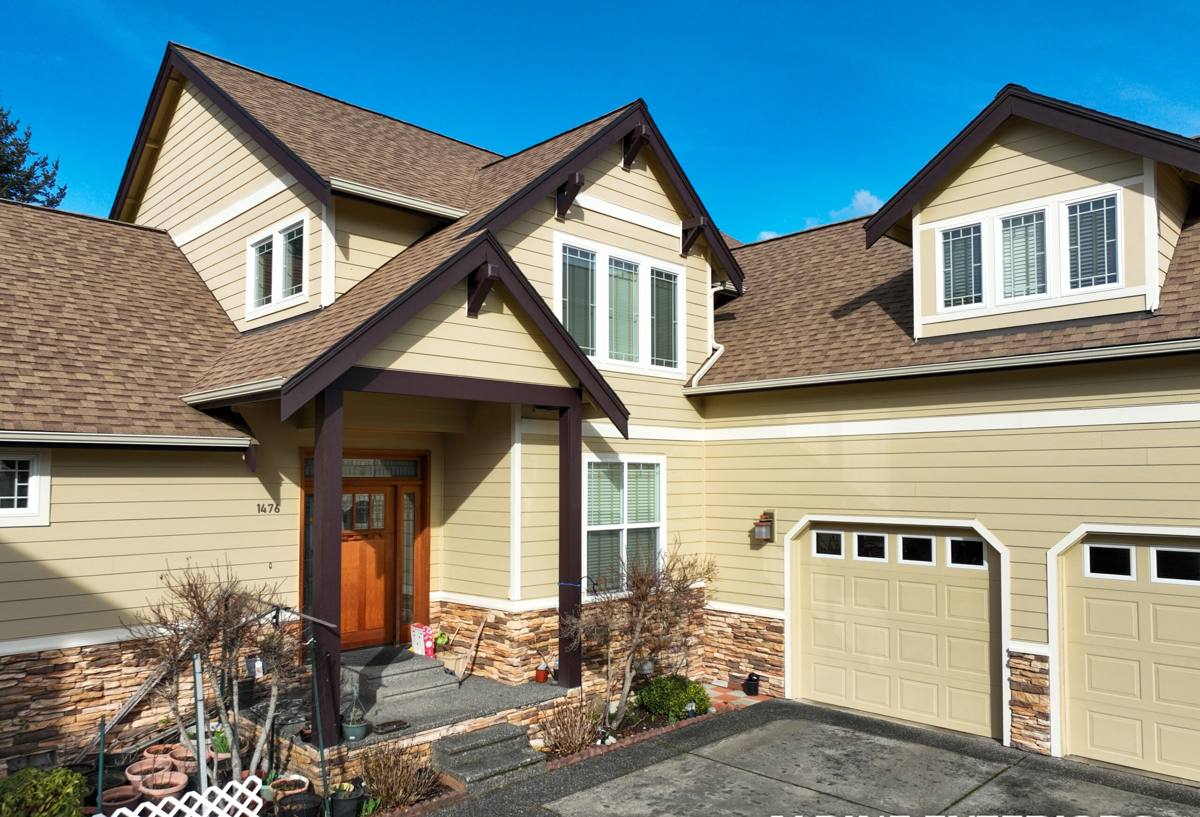
What the Coastal Climate Actually Does to Siding
Wind
Gulf-front and near-Gulf properties see sustained higher wind speeds year-round, not just during named storms. Wind pressure works siding loose at the fastener line over time, and during a hurricane or tropical storm it's the first thing that peels away if it wasn't installed to the correct nailing pattern and clearance for the wind zone. Loose or lifted siding isn't just cosmetic damage — it opens the wall assembly to wind-driven rain.
Salt Air
Airborne salt settles on every exterior surface near the coast and accelerates corrosion of fasteners, trim metal, and any exposed hardware. It also degrades cheaper paint and coatings faster than inland UV exposure alone would. Materials and fasteners that aren't rated for coastal exposure show chalking, staining, and corrosion well before their inland counterparts do.
UV Exposure
Florida sun is intense everywhere, but a home with open water views typically has fewer mature trees and less structural shading, meaning full sun exposure on more elevations of the house for more hours a day. Factory-cured finishes hold color and resist fading far better than field-applied paint under that kind of sustained UV load.
Wind-Driven Rain and Moisture
Combine coastal wind with Florida's rain patterns and you get rain that drives sideways into wall assemblies, not just straight down. Siding, flashing, and the water-resistive barrier behind it all have to work together to keep that moisture out of the wall cavity. A weak point anywhere in that system — a missed flashing detail, an unsealed cut edge, poor lap spacing — becomes the path water finds.
Why We Only Install James Hardie Here
Fiber cement as a category handles coastal exposure well because it's dimensionally stable and doesn't absorb and swell with moisture the way wood-based products can. But not all fiber cement is installed or engineered the same way, and the differences matter more on a barrier island than almost anywhere.
James Hardie's HZ5 product line is specifically engineered for high-moisture, high-humidity climates like ours, and it carries the manufacturer's coastal-climate specification. The ColorPlus factory finish is baked on under controlled conditions and backed by its own finish warranty — a meaningfully different proposition than a field-painted product that depends on weather conditions during application and repainting every several years to hold up. Hardie also carries product approvals for Florida's high-velocity and wind-borne debris requirements, which matters directly for a property this close to open water.
We don't install other fiber cement brands, vinyl, LP SmartSide, or unprimed wood siding — not because every one of those products is without merit, but because we've standardized our crews, our installation details, and our warranty backing around one system we trust to perform on the homes we're accountable for, including the toughest exposure in our service area.
| Material | Salt Air / Moisture Resistance | Wind Performance | Ongoing Maintenance |
|---|---|---|---|
| James Hardie Fiber Cement (HZ5) | Engineered for humid coastal climates; non-combustible | Rated fastening systems for high-wind installation | Occasional rinse; factory finish holds color for years |
| Vinyl Siding | Can warp, fade, or crack under sustained heat and salt exposure | Lower wind resistance; can pull loose or crack in gusts | Low, but replacement sections are common after storms |
| Wood / Primed Spruce or Cedar | Absorbs moisture; vulnerable to rot near salt air | Performance depends heavily on installation and upkeep | Repainting and sealant maintenance every few years |
| LP SmartSide (engineered wood) | Treated but still wood-based; edges need diligent sealing | Adequate when installed to spec | Field-painted finish requires more frequent upkeep |
What a Correct Installation Involves on This Coast
Fiber cement siding is only as good as the details underneath it and around it. On a barrier island property, we pay particular attention to:
- Fastener type, spacing, and pattern rated for the property's specific wind zone — not a generic inland pattern
- A continuous, properly lapped water-resistive barrier behind the siding, with all penetrations flashed and sealed
- Back-primed and factory-sealed cut edges wherever field cuts are unavoidable, to prevent moisture wicking into the cut face
- Correct clearance between the bottom of the siding and grade, decks, roofs, and other surfaces where water can collect or splash back
- Stainless or coated fasteners suited for salt-air exposure, not standard galvanized fasteners that corrode faster here
- Proper flashing and integration at windows, doors, and any wall penetrations, since these are the most common paths for wind-driven rain intrusion
- Correct joint and corner treatment so panels can expand and contract without opening gaps over time
Skipping any one of these doesn't show up on day one. It shows up two or three years later as staining, soft spots, or siding that's come loose in the next round of Gulf winds — usually well before the material itself would have failed on its own.
Our Process for an Indian Rocks Beach Project
The work starts with an on-site look at the specific elevations exposed to the Gulf and prevailing wind, since not every side of the house takes the same beating. We check the existing wall assembly, sheathing condition, and any areas where past water intrusion may already be an issue — replacing siding without addressing what's underneath just seals a problem back into the wall.
From there we walk through product selection (colors, profiles, and trim details from the Hardie lineup), confirm the wind-rated fastening plan for the property, and lay out a realistic project timeline that accounts for coastal weather windows. Installation follows manufacturer specification for the HZ5 climate zone, with flashing and moisture management treated as seriously as the siding itself. We close out with a final walkthrough so the homeowner understands what was done and what warranty coverage applies going forward.
Why Local Experience on This Specific Coastline Matters
A crew that regularly works Indian Rocks Beach and the surrounding barrier island communities already knows the wind exposure patterns, the way salt air behaves on different elevations of a house, and the flashing details that hold up here versus a few miles inland. That's not something you get from a manufacturer's install manual alone — it comes from doing the work on this specific stretch of coast repeatedly and seeing what actually holds up through storm seasons and years of Gulf sun.
It also matters for permitting and inspection. Coastal Pinellas County properties can involve specific wind-load and product-approval documentation, and a crew familiar with local requirements moves through that process without delays that catch out-of-area contractors off guard.
Maintenance After Installation
One advantage of James Hardie's factory-applied finish is how little upkeep it asks for compared to field-painted alternatives. Homeowners near the water should still plan for:
- An occasional rinse to clear accumulated salt residue, especially on Gulf-facing elevations
- A yearly visual check of caulking and sealant joints around windows, doors, and trim
- Prompt attention to any impact damage from storm debris, since exposed cut edges should be resealed quickly
- Keeping vegetation and sprinklers from holding moisture against the base of the siding
None of this is heavy maintenance — it's the kind of periodic check that catches small issues before they become bigger ones, which matters more here than in a sheltered inland neighborhood.
Get a Straight Answer for Your Property
Every home on the island faces the Gulf a little differently, and the right approach depends on your specific exposure, existing wall condition, and elevations. If you're weighing a siding replacement or repair in Indian Rocks Beach, we're glad to take a look and give you a straightforward, no-pressure estimate — use the form below to get started.