 Largo Siding
 Why Madeira Beach Decks Wear Out Faster Than Most
Madeira Beach sits close enough to the Gulf that every deck in the area is dealing with conditions most inland Florida homes never see. Salt-laden air corrodes metal fasteners and hardware from the inside out, often long before the wood or decking surface shows obvious damage. Add in Pinellas County's intense year-round UV exposure, which breaks down wood fibers and fades or chalks composite surfaces, and you have a structure that's under constant low-grade attack even in a calm year.
Then there's wind. Hurricane-force gusts don't just threaten roofs — they rack deck framing, loosen ledger connections, and drive rain sideways into joints and seams that were never designed to handle water hitting them horizontally. A deck that would last 20 years with minimal upkeep somewhere inland can start showing real problems in half that time this close to the water.
We're a Largo-based crew, and Madeira Beach is part of our regular service area — not a one-off trip. That matters when you're diagnosing deck problems, because the failure patterns here are consistent and recognizable if you've seen enough of them.
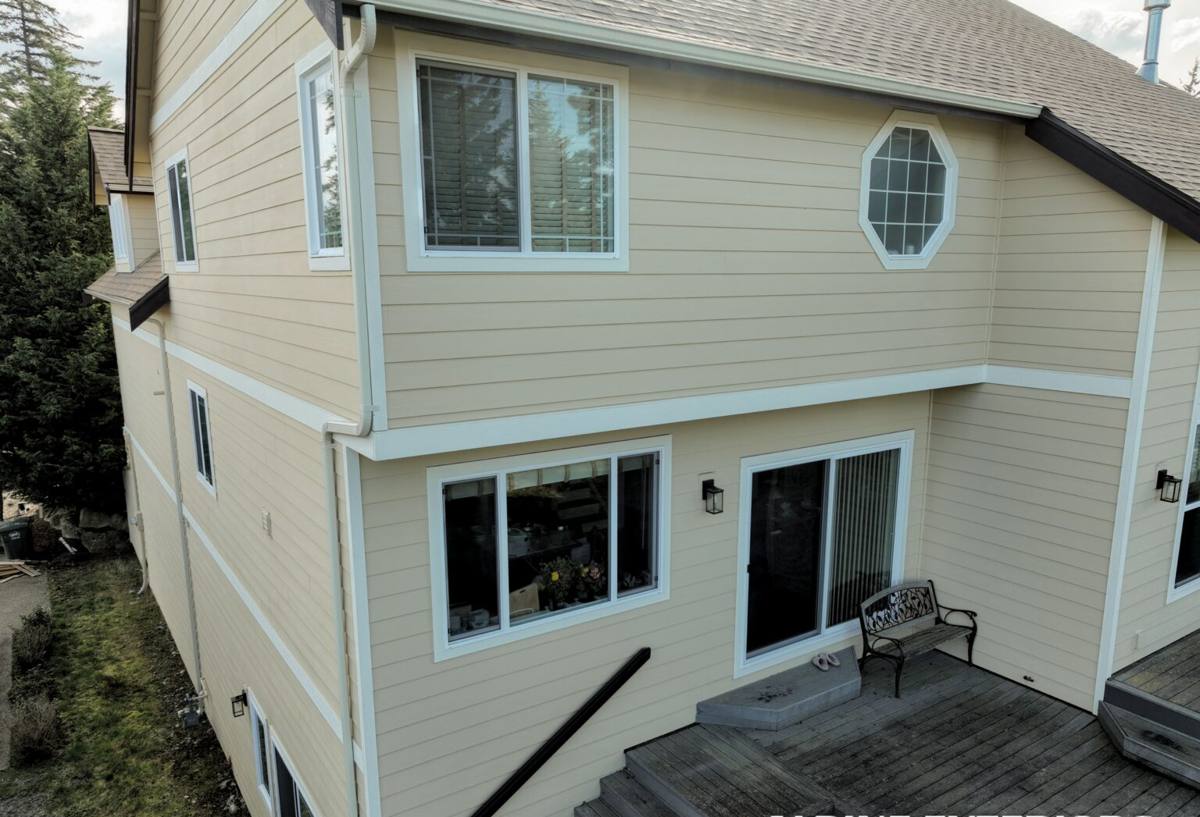
The Deck Problems We See Most Often Near Madeira Beach
Wood Decks
Pressure-treated wood decks in this area typically show trouble first at ground-contact posts, ledger boards, and any spot where two boards meet and trap moisture. Cupping, splintering, and soft or spongy spots are signs the wood is holding water it can't shed fast enough. Left alone, this leads to rot in the framing members that actually carry the structural load — not just the surface boards.
Composite and PVC Decking
Composite boards handle moisture better than wood, but they're not immune to coastal conditions. UV exposure can fade or chalk the surface over time, and if the substructure underneath wasn't built or fastened correctly, composite decking will telegraph that failure through squeaking, bounce, or boards that have started to lift at the ends.
Fasteners, Hardware, and Connections
This is the most common issue we find on Madeira Beach deck inspections, and it's the one homeowners are least likely to notice on their own. Standard galvanized screws, joist hangers, and post bases corrode faster in salt air, sometimes staining the wood around them or losing grip strength well before the wood itself is compromised. A deck can look fine from a few feet away while its hardware is quietly failing underneath.
Ledger Board and Attachment Points
The ledger board — where the deck attaches to the house — takes on outsized importance in wind events. Wind-driven rain works its way behind poorly flashed ledgers, and repeated wind loading can work fasteners loose over time. A compromised ledger connection is a safety issue, not just a cosmetic one.
What a Correct Deck Repair Actually Involves
Not every deck problem calls for a full rebuild, but a repair that only addresses what's visible on the surface tends to fail again within a season or two. A proper repair starts with finding out how far the damage actually extends.
Inspection Below the Surface
We check framing, ledger attachment, post bases, and hardware condition, not just the decking boards themselves. Probing suspect wood, checking for movement at connection points, and looking closely at anything already showing rust staining or discoloration tells us whether we're dealing with a cosmetic fix or a structural one.
Matching the Repair to the Actual Damage
Sometimes the right answer is replacing a handful of boards and upgrading the fasteners around them. Other times, rot has reached the framing and those members need to come out and be replaced before anything gets reattached on top. We tell you which situation you're actually in, with our reasoning, rather than defaulting to the most expensive option.
Upgrading What Failed the First Time
If the original hardware wasn't rated for coastal exposure, replacing a failed component with the same grade of fastener just resets the clock on the same failure. Part of doing this correctly near the Gulf is using connectors and fasteners suited to salt air, even if that wasn't what was used originally.
Repair vs. Replacement: How We Help You Decide
Homeowners often ask whether it's worth repairing an older deck or better to plan for a full replacement. The honest answer depends on where the damage is and how much of the structure it affects.
| Factor | Leans Toward Repair | Leans Toward Replacement |
|---|---|---|
| Framing condition | Solid, no rot at joists or beams | Rot or soft spots at multiple structural members |
| Age of deck | Under 10-12 years | Original construction is 15-20+ years old |
| Extent of damage | Isolated to a few boards or one section | Spread across most of the deck surface |
| Hardware condition | Fasteners sound, minor surface corrosion only | Widespread corrosion or loosened connections |
| Ledger attachment | Properly flashed, secure, no movement | Signs of water intrusion or movement at the house connection |
We walk you through where your deck falls on this before recommending either path — there's no benefit to us pushing a full rebuild when a targeted repair will genuinely hold up.
Materials That Actually Make Sense for a Coastal Pinellas County Deck
Wood
Pressure-treated lumber remains a reasonable, budget-conscious choice for framing and even decking, provided it's properly sealed and maintained on a regular schedule. It's a real trade-off: lower upfront cost against a higher maintenance commitment, especially this close to the Gulf.
Composite and PVC Decking
For the visible deck surface, composite or PVC boards generally hold up better against UV fading and moisture than wood, with less ongoing upkeep. The trade-off is a higher material cost and, on some products, more specific installation requirements around gapping and fastening that matter more in a coastal climate than they would inland.
Fasteners and Hardware
This is where we don't cut corners on a coastal repair. Stainless steel or coated fasteners rated for coastal/marine exposure cost more than standard galvanized hardware, but given how often we find corroded standard fasteners as the root cause of deck problems here, it's the difference between a repair that lasts and one you're calling us back about in a few years.
Our Repair Process
- On-site inspection of decking, framing, posts, ledger attachment, and hardware condition
- Clear explanation of what's actually failing and why, in plain terms — not just a list of parts
- Written estimate outlining repair scope, materials, and what's included
- Removal of damaged boards, framing, or hardware down to sound material
- Repair or replacement using materials and fasteners suited to coastal exposure
- Reinspection of ledger attachment and structural connections before closing out the job
- Final walkthrough so you know what was done and what to watch for going forward
We don't start tearing into a deck without first showing you what we found and why it needs the scope of work we're recommending.
Why It Matters That We Already Work in Madeira Beach
A crew that mainly works inland doesn't run into salt-air fastener corrosion or wind-driven rain intrusion often enough to recognize it quickly. Working out of Largo, Madeira Beach is a regular part of our route, not an exception — we've seen how decks in this specific stretch of Pinellas County actually fail, which speeds up diagnosis and helps us avoid repairs that look fine on day one but don't hold up to the next storm season.
Being local also means straightforward scheduling and follow-up. If something needs a second look after a repair, or a named storm rolls through and you want a connection or two rechecked, we're not coming from across the county to do it.
Keeping a Repaired Deck in Good Shape
A correct repair buys you years, but a coastal deck still needs periodic attention to get full value out of that work.
- Rinse salt residue off the deck surface periodically, especially after storms
- Reseal or restain wood decking on the manufacturer's recommended schedule, not just when it looks worn
- Walk the deck a few times a year checking for soft spots, loose boards, or movement at railings
- Keep gutters and downspouts clear so runoff isn't pooling near posts or the ledger board
- Have hardware and connections rechecked after any major wind event
If you're noticing soft boards, rust staining, movement, or you just haven't had your deck looked at in a few years, we're glad to come take a look. Fill out the form below for a free, no-pressure estimate and we'll tell you honestly what your deck needs.