 Largo Siding
 Why Clearwater's Climate Is Hard on Windows
Homes in and around Clearwater sit close enough to the Gulf that windows take a beating most manufacturers never designed for on a standard product line. Between hurricane-force wind gusts during storm season, wind-driven rain that gets pushed sideways into wall assemblies, salt-laden air that corrodes hardware and finishes, and some of the most intense year-round UV exposure in the country, a window here is doing a very different job than the same product would do in a drier, calmer climate. Seals break down faster. Vinyl can discolor or become brittle. Metal hardware pits and corrodes. Frames that aren't properly flashed let water find its way into the wall cavity long before anyone sees a stain on the drywall.
That combination is exactly why "energy-efficient" and "storm-ready" aren't two separate upgrades for a Clearwater home — they're the same job. A window that only handles one of those problems well isn't doing its job for this climate.
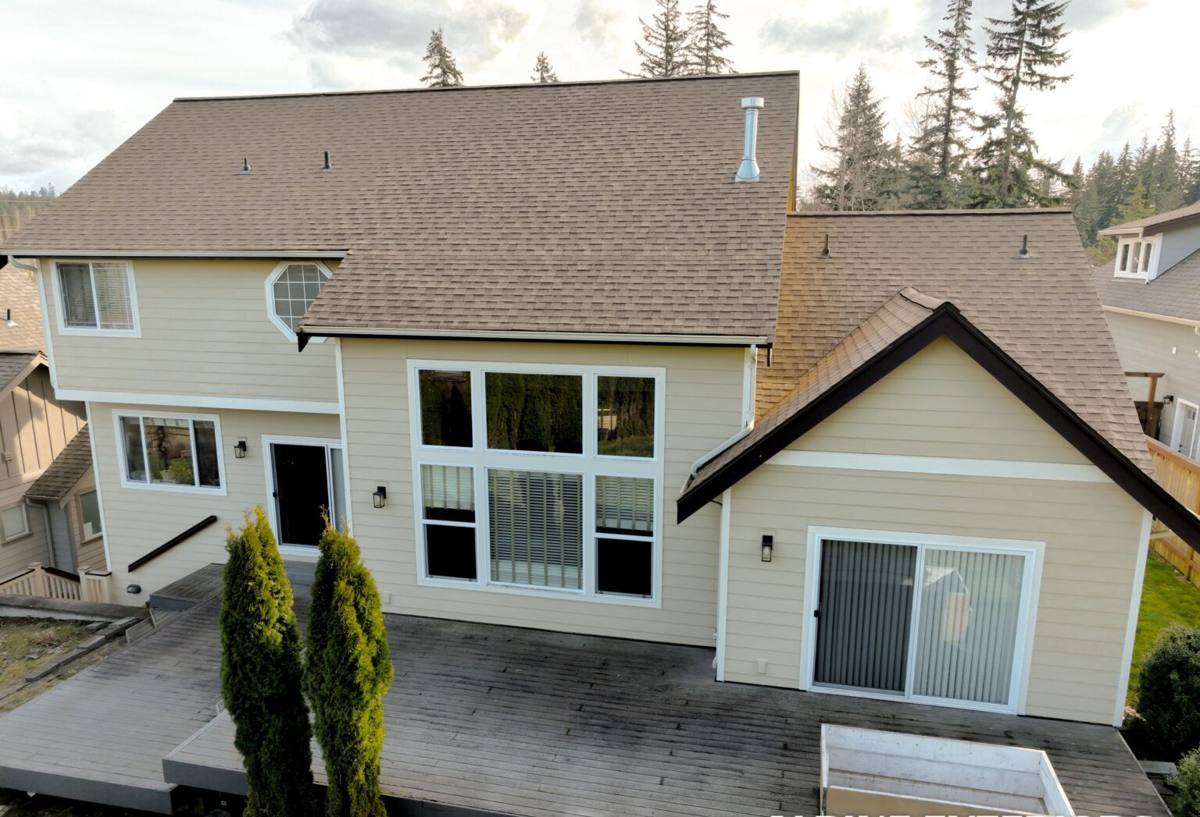
What Energy Efficiency Actually Means in a Gulf Coast Climate
Low-E Glass and Insulated Frames
Energy-efficient windows use low-emissivity (low-E) coatings on the glass to reflect solar heat before it ever gets inside, paired with insulated frame construction and warm-edge spacer systems that reduce heat transfer at the edge of the glass — usually the weakest point in an older window. In a climate where air conditioning runs nearly year-round, the goal isn't just a lower utility bill; it's a house that doesn't fight its own cooling system every afternoon when the sun is highest.
Impact Resistance Isn't Optional Here
What's different close to the coast is that the window also has to survive wind-borne debris and sustained pressure during tropical storms and hurricanes without becoming a failure point. Once a window breaks during a storm, the building envelope is compromised — internal pressure spikes and can do far more damage to the roof and structure than the broken window itself. So for this area, an energy-efficient window and an impact-rated window need to be thought of as the same purchase, not a trade-off between two different products.
Impact-Rated vs. Standard Energy-Efficient Windows
Homeowners often ask whether they really need impact-rated glass if they already have hurricane shutters, or whether a standard energy-efficient window is "good enough" for a home that isn't directly on the water. Here's how the two options actually compare for a Clearwater-area property:
| Factor | Standard Energy-Efficient Window | Impact-Rated Energy-Efficient Window |
|---|---|---|
| Storm protection | Requires separate shutters or panels installed before each storm | Built-in laminated glass protection, no separate action needed |
| UV and heat control | Good, with low-E coatings | Equal or better — laminated interlayer adds extra UV blocking |
| Noise reduction | Moderate | Noticeably better due to the laminated glass layer |
| Upfront cost | Lower per window | Higher per window, offset over time by insurance and shutter savings |
| Insurance impact | Little to no discount | Often eligible for wind mitigation credits — verify with your carrier |
| Day-to-day convenience | Shutters must be installed/removed each storm | No pre-storm prep required for the windows themselves |
Neither option is wrong for every homeowner — a lower budget with existing, well-maintained shutters is a legitimate approach. But for most homes in this area, impact-rated glass ends up being the more practical long-term choice once you account for the time, labor, and risk of relying on shutters that have to be installed correctly under time pressure before every storm.
Signs Your Current Windows Are Working Against You
Older or poorly installed windows tend to show the same set of warning signs in this climate. Worth checking before deciding whether to repair or replace:
- Condensation forming between the panes of double-pane glass — a sign the seal has failed and the insulating gas is gone
- Frames that feel warm to the touch on a sunny afternoon, even with the AC running
- Visible discoloration, chalking, or brittleness in vinyl frames from years of UV exposure
- Corroded or stiff hardware — locks, cranks, or hinges that never used to stick
- Soft spots, staining, or a musty smell in the wall or trim below a window, which usually points to water intrusion around the frame
- Rooms near windows that are noticeably harder to keep cool than the rest of the house
- Noticeable outside noise coming through that wasn't there when the windows were newer
- Difficulty opening, closing, or locking a window that used to operate smoothly
Any one of these can usually be explained away on its own, but two or three together are a good sign the windows are past the point where caulk and weatherstripping will fix the underlying problem.
How We Approach a Window Replacement Job
Assessment and Measurement
Every job starts with a walk-through of the home, not just the windows themselves — we look at flashing, sill condition, and how water has historically moved around each opening. Measurements are taken for each window individually, since older Florida homes rarely have perfectly square, identical openings even when the windows look the same from the street.
Permitting Before Any Work Starts
Window replacement in Pinellas County requires a permit, and impact-rated products need to be installed to the specifications tied to their product approval. We handle that paperwork upfront rather than treating it as an afterthought — skipping it is how homeowners end up with problems at resale when a buyer's inspector or the county can't find a record of the work.
Installation Day
Old windows come out carefully to avoid unnecessary damage to surrounding stucco, trim, or drywall. The opening is inspected for hidden rot or water damage before the new window goes in — this is the point where problems that have been building for years actually get caught and fixed, not covered up. Proper flashing and sealant application around the frame is what determines whether wind-driven rain stays out for the next twenty years, and it's the step that gets rushed on lower-quality jobs.
Final Inspection and Sealing
Once the window is set, shimmed level and plumb, and fastened per the manufacturer's approved installation instructions, we check operation, seal the exterior, and finish interior trim. County inspection follows before the job is considered closed out.
Frame Material Trade-Offs for This Climate
There's no single "best" frame material for every home — the right choice depends on budget, the home's style, and how much maintenance the homeowner wants to deal with long-term.
- Vinyl — the most common choice for good reason: low maintenance, solid insulating properties, and no risk of corrosion. Quality matters more than usual in high-UV climates, since lower-grade vinyl can become brittle over the years faster than it would inland.
- Fiberglass — more dimensionally stable across temperature swings than vinyl, holds paint well if a homeowner wants a custom color, and tends to hold up very well long-term. Costs more upfront.
- Aluminum — strong and slim-profile, which some homeowners like for a more modern look, but it conducts heat more readily and needs a quality thermal break to perform well in this climate. Also more prone to corrosion near salt air unless properly coated.
We'll talk through the honest trade-offs of each for your specific home rather than pushing whatever happens to be in stock — the right frame material is the one that matches your budget, your home's exposure, and how much upkeep you actually want to do.
Wind-Load Requirements and Local Code
Florida Building Code sets wind-load and product approval requirements that vary by location and exposure, and Pinellas County enforces its own permitting and inspection process on top of that. Every impact-rated window we install carries a product approval number tied to those requirements, and the permit process confirms the installation matches what the product is actually rated for. This isn't paperwork for its own sake — it's what protects the homeowner if there's ever an insurance claim or a dispute with a future buyer about whether the windows were installed to code.
Why Working With a Crew That Already Knows Clearwater Matters
A crew that regularly works homes in the Largo and Clearwater area has already seen how the local combination of sun exposure, salt air, and storm patterns plays out on real houses over time — which frame materials hold up, which installation shortcuts show up as leaks two years later, and which details the county inspectors actually check closely. That familiarity shows up in fewer surprises during the job: knowing what to expect from an older Florida home's rough openings, knowing which permitting steps get missed most often, and knowing how to sequence work around our unpredictable summer storm patterns instead of getting caught mid-installation by an afternoon downpour.
Protecting the Investment After Installation
Energy-efficient windows are a long-term investment, and a few simple habits go a long way toward getting the full lifespan out of them in a coastal climate:
- Rinse frames and hardware periodically to clear salt residue, especially on homes closer to the water
- Check and re-caulk exterior sealant joints every few years, since UV exposure breaks down sealant faster here than in milder climates
- Keep weep holes clear of debris so water draining from the frame has somewhere to go
- Operate locks and cranks regularly even on windows you don't open often, to keep hardware from seizing
- Have windows inspected after any major storm, even if there's no obvious damage
None of this is complicated, but it's the difference between windows that still perform well in fifteen years and ones that start showing problems in five.
Get a Straight Answer for Your Home
Every home in the Clearwater area carries its own combination of sun exposure, age, and storm history, so the right window package for your house isn't something we can honestly quote from a brochure. If you'd like a clear, no-pressure look at what your windows actually need — and what it would take to fix it — fill out the form below and we'll set up a free estimate.