 Largo Siding
 Board & Batten Siding in Kenneth City: What the Climate Actually Demands
Kenneth City sits in the middle of Pinellas County, close enough to the Gulf and Tampa Bay that salt-laden air, humidity, and wind-driven rain are part of daily life even though the neighborhood isn't waterfront. Add in Central Florida's intense year-round UV load and the real chance of hurricane-force gusts during storm season, and you've got a climate that is genuinely hard on exterior building materials. Board and batten siding — with its bold vertical lines and deep shadow reveals — is one of the most popular looks homeowners request in this area, but the look only holds up if the material and the installation are matched to what Kenneth City actually throws at a house.
This page is about that one combination: board and batten siding, installed correctly, on homes in Kenneth City. Not board and batten in general, and not siding in general — the specific product decisions and installation details that separate a batten system that looks sharp for 20+ years from one that starts failing at the seams in five.
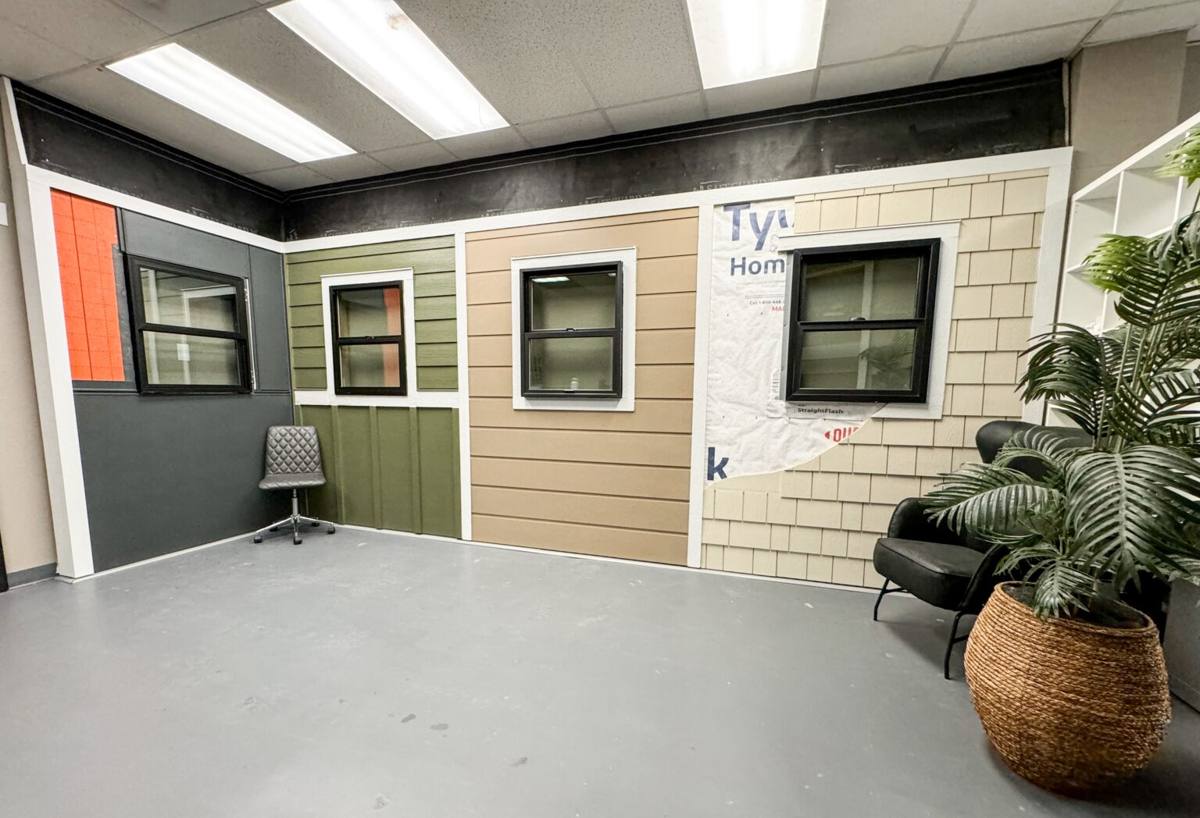
Why Board & Batten Is a Different Animal Than Lap Siding
Traditional horizontal lap siding sheds water by design — each course overlaps the one below it, so gravity does most of the work. Board and batten flips that logic. You've got wide vertical panels with narrower battens covering the seams between them, and every one of those seams is a vertical joint running straight up the wall. Vertical joints don't shed water the same way horizontal laps do, which means the quality of the flashing, caulking, and fastening at each seam matters far more than it does on a standard lap job.
In a climate like Pinellas County's — frequent wind-driven rain that gets pushed sideways into walls rather than falling straight down — a poorly detailed board and batten seam is an open invitation for moisture intrusion. This isn't a reason to avoid the style. It's a reason to be picky about who installs it and what it's made of.
What Wind-Driven Rain Does to a Vertical Seam
During a typical Gulf Coast storm, rain rarely falls straight down. It's pushed at an angle by wind, which means water gets driven into and along vertical seams instead of running past them. A batten system needs proper water-resistive barrier underneath, correct panel spacing to allow for material movement, and fasteners placed where the manufacturer specifies — not wherever is convenient. Skip any of that and you're not looking at an eventual problem; you're looking at a near-term one, because Kenneth City doesn't go long between rain events.
Why We Install James Hardie and Nothing Else
We install James Hardie fiber cement exclusively. We don't install vinyl, LP SmartSide, primed wood, cedar, or other fiber cement brands, and that's a deliberate standard, not a sales pitch. On a vertical-seam product like board and batten, the material's dimensional stability and moisture behavior matter even more than usual, because every seam is a potential water path.
- Non-combustible core: Hardie fiber cement won't ignite or contribute fuel to a fire, which matters in a state where wildfire risk and lightning-driven ignition are real considerations.
- Dimensional stability: Fiber cement expands and contracts far less than vinyl or wood across Florida's daily and seasonal temperature and humidity swings, so battens stay tight and seams stay sealed longer.
- ColorPlus factory finish: A baked-on finish resists the UV fading that hammers painted or dark-colored siding under Florida sun, and it holds up better against the salt film that settles on homes near the bay.
- HZ5 climate engineering: Hardie's HZ product line is engineered for high-humidity, moisture-prone regions like ours — it's not a generic national product retrofitted for Florida.
- Warranty structure: A transferable manufacturer warranty on both the substrate and the ColorPlus finish gives homeowners real recourse, and it protects resale value if the home changes hands.
We're not going to tell you vinyl board and batten or LP panel products are junk — they have a place, and plenty of homes wear them fine in milder climates. Our position is narrower: for the wind, UV, and salt exposure a Kenneth City home deals with, we don't think those products hold up as well over a 20-30 year horizon, and we'd rather install one product well than offer several and let the compromises show up later.
What Correct Installation Looks Like Here
A board and batten job is only as good as the details nobody sees once it's finished. This is the part that separates a crew that understands Florida coastal-adjacent conditions from one that's used to milder climates.
The Water-Resistive Barrier and Flashing
Every seam, window, and door opening needs correctly lapped house wrap and flashing tape before the first panel goes up. In a region with this much wind-driven rain, any gap in that barrier is where moisture eventually finds its way to the sheathing.
Fastening to Manufacturer Spec
James Hardie publishes exact fastener spacing, type, and placement requirements, and those requirements exist for a reason — wind uplift resistance. Pinellas County's wind exposure means fastening isn't a place to save five minutes per panel.
Panel and Batten Spacing
Fiber cement still moves slightly with temperature and moisture changes. Panels and battens need the gap tolerances Hardie specifies so the system can expand and contract without cracking caulk joints or bowing battens.
Caulking and Sealant Choice
Not every exterior caulk holds up to sustained UV and salt exposure. The sealant used at trim and seams needs to be rated for the job, or it becomes the first thing to fail — and once caulk fails at a vertical seam, water has a direct path behind the siding.
Our Process for a Kenneth City Board & Batten Job
| Step | What Happens | Why It Matters Locally |
|---|---|---|
| 1. On-site assessment | We inspect existing wall condition, sheathing, and any signs of prior moisture intrusion | Salt air and humidity can hide damage that isn't visible from the street |
| 2. Product and reveal selection | We walk through Hardie panel widths, batten spacing, and color options | Wider reveals and darker ColorPlus tones perform differently under intense Florida UV |
| 3. Tear-off and substrate check | Old siding comes off, sheathing is inspected and repaired as needed | You never want to bury damaged sheathing under new siding |
| 4. Barrier and flashing install | House wrap and flashing tape go in at every seam and opening | This is the layer that actually stops wind-driven rain |
| 5. Panel and batten installation | Installed to Hardie's fastening and spacing specs | Correct fastening is what keeps siding on the wall during hurricane-force gusts |
| 6. Finish and walkthrough | Caulking, trim detail, and a final inspection with the homeowner | Catching a missed detail now is cheaper than fixing it after a storm season |
Why a Crew That Already Works Kenneth City Is Worth Choosing
Board and batten installation isn't complicated in theory, but the details that determine whether it lasts are learned through repetition in a specific climate, not from a general contractor manual. A crew that's already worked homes throughout Largo and the surrounding Kenneth City area has a feel for how the local wind exposure, sun angle, and rain patterns interact with a vertical-seam siding system. That translates into decisions on-site — where extra flashing attention is warranted, how tight to run fastener spacing, which orientation of the home needs the most careful sealant work — that a crew unfamiliar with Pinellas County conditions might not think to make.
It also means we're accountable locally. If a seam needs attention two years down the road, we're not a name on a website from three states away — we're a crew that works this area regularly and stands behind the installation.
Cost Factors for Board & Batten in This Area
We're not going to quote a number here that doesn't reflect your specific home, but these are the factors that actually move the price:
| Factor | Impact |
|---|---|
| Home size and wall complexity | More corners, dormers, and trim detail means more labor and material cuts |
| Extent of substrate repair needed | Damaged sheathing found during tear-off adds cost but is essential to fix, not skip |
| Panel reveal width and batten spacing | Custom or wider reveals can affect material takeoff and labor time |
| ColorPlus color selection | Standard vs. premium color lines carry different material costs |
| Full replacement vs. partial/accent application | Board and batten used as an accent on gables or a feature wall costs less than whole-house coverage |
Signs Your Current Siding Needs a Second Look
- Visible gaps, warping, or separation at vertical seams or battens
- Soft or spongy spots when pressed near the base of walls or under windows
- Persistent staining or streaking that doesn't wash off, suggesting water tracking behind panels
- Caulk that's cracked, shrunk, or pulled away from seams and trim
- Fading or chalking that's noticeably uneven across different sides of the house
- Any history of storm damage that was patched rather than properly repaired
Maintenance That Actually Matters Here
James Hardie board and batten is low-maintenance compared to wood, but "low-maintenance" doesn't mean "no maintenance" in a Gulf Coast-adjacent climate. A rinse-down once or twice a year removes salt film and grime buildup before it becomes embedded. Periodic visual checks of caulk lines and seams — especially after a significant storm — catch small issues while they're still small. Because ColorPlus finish is factory-applied and UV-stable, you're not signing up for the repainting cycle that wood or field-painted siding requires, which matters a lot given how hard Florida sun is on painted surfaces.
If you're weighing board and batten siding for a Kenneth City home, we're happy to walk the property, talk through reveal and color options, and give you a straight, no-pressure estimate based on what your house actually needs — use the form below to get started.