 Largo Siding
 Asphalt Shingle Roofing Built for a Barrier Island Climate
Belleair Beach sits right on the water, which means every roof here deals with a combination of stresses that inland homes simply don't see: salt-laden air working on fasteners and granules, near-constant UV exposure baking the shingle mat, wind-driven rain testing every seam and flashing point, and the occasional hurricane-force gust putting real uplift pressure on the whole roof system. Asphalt shingles can absolutely hold up in this environment for their full service life — but only when the material, the installation details, and the maintenance schedule are all matched to where the house actually sits, not to a generic inland spec.
This page is about one thing: doing asphalt shingle roofing correctly for a home in Belleair Beach and the surrounding Largo, Pinellas County area. Not a general overview of shingle roofing everywhere — the specific choices that matter for a roof that's going to face the Gulf coast climate year after year.
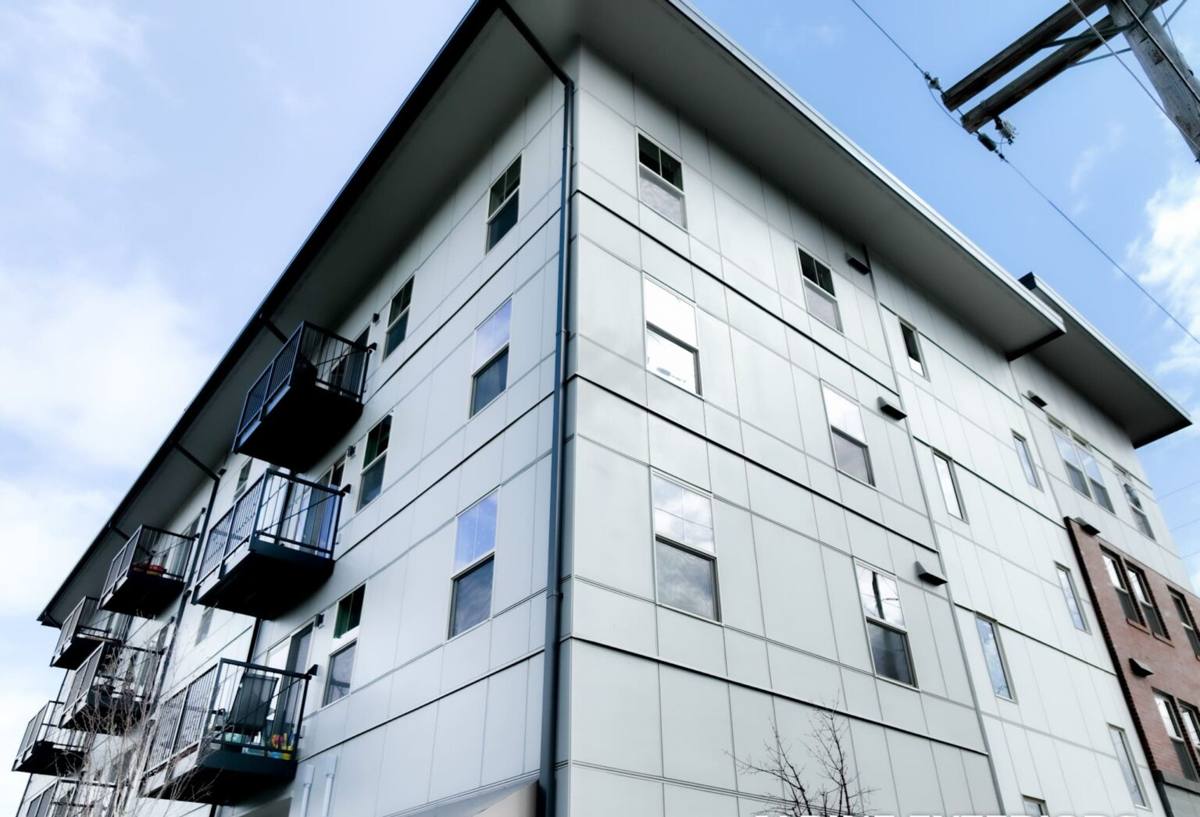
What Salt Air, Wind, and UV Actually Do to a Shingle Roof
Understanding the failure modes helps explain why certain products and details get chosen over others for a coastal property.
Salt air and corrosion
Airborne salt accelerates corrosion on any exposed metal — nail heads, flashing, drip edge, ridge vents. A roofing system that relies on standard galvanized fasteners or low-grade flashing metal will show rust streaks and weakened fastener holding power years before an equivalent inland roof does. This is a metals and fastener problem as much as it is a shingle problem.
UV and granule loss
Florida's sun is intense and nearly year-round. UV breaks down the asphalt binder in a shingle over time and accelerates the loss of the protective ceramic granules on the surface. Once granule loss gets significant, the mat underneath is exposed directly to sun and water, and the aging process speeds up fast.
Wind-driven rain
Straight-down rain is easy for any roof to shed. Wind-driven rain — coming in sideways or even slightly upward under an eave — is what finds the weak points: under-sealed shingle tabs, poorly lapped underlayment, gaps at flashing transitions. Most of the leaks we get called out for on coastal homes trace back to a wind-driven rain event finding a detail that was fine in calm weather but not under lateral pressure.
Wind uplift
During tropical storms and hurricanes, wind doesn't just push on a roof — it creates lift, especially at edges, corners, and ridges. A shingle roof's resistance to blow-off depends heavily on nailing pattern, sealant strip activation, and starter strip installation at the edges — details that are easy to rush and impossible to verify once the roof is finished.
Choosing the Right Shingle for This Location
Not every asphalt shingle product is a good fit for a barrier island home. A few factors matter more here than they would inland:
Wind rating
Shingles are rated for wind resistance based on how they're tested and installed (often expressed in mph ratings tied to a specific nailing pattern). For a home exposed to open water and higher sustained wind events, we lean toward higher-wind-rated architectural shingles with reinforced nailing zones and factory sealant strips designed for high-wind performance, installed exactly to the manufacturer's high-wind nailing pattern — not the standard pattern.
Algae and staining resistance
Humidity and salt air both encourage the dark streaking caused by algae growth on roofs. Shingles with algae-resistant granules (usually copper-infused) hold their appearance longer in this climate and are worth the modest upcharge on a coastal home.
Mat quality and thickness
Heavier, higher-grade architectural shingles tolerate UV degradation and handle wind flex better than thin economy-grade shingles. On an exposed property, the material cost difference between a basic shingle and a mid-to-upper-tier architectural shingle is small relative to the years of extra service life it buys.
| Factor | Basic 3-Tab Shingle | Architectural / Dimensional Shingle |
|---|---|---|
| Typical wind rating | Lower, standard nailing only | Higher, especially with high-wind nailing pattern |
| UV / granule durability | Thinner mat, wears faster in intense sun | Heavier mat, holds granules longer |
| Algae resistance option | Sometimes available | Widely available, recommended near the coast |
| Appearance | Flat, uniform | Dimensional, shadow-line look |
| Relative material cost | Lowest | Moderate step up, better long-term value on exposed homes |
What a Correct Installation Actually Involves
The shingle itself is only part of the roofing system. On a coastal property, the details around it matter just as much:
Deck inspection and repair
Before anything goes down, the plywood or OSB deck gets checked for soft spots, delamination, or old fastener damage. Salt air and humidity can hide moisture problems under old shingles that only show up once they're pulled off.
Underlayment
A synthetic or self-adhering underlayment provides the roof's real waterproofing backup layer. In wind-driven rain, this layer is what keeps water out if a shingle ever lifts or a seam is tested. We treat underlayment as a full system, not an afterthought — including sealed laps and proper coverage at valleys.
Flashing at every transition
Chimneys, walls, skylights, and roof-to-roof transitions all need corrosion-resistant flashing, properly lapped with the underlayment and shingles — not just caulked. Caulk is a maintenance item; flashing done right is a permanent detail.
Drip edge and starter strip
Metal drip edge at eaves and rakes protects the deck edge and directs water into gutters instead of behind fascia. A correctly installed starter strip along the eaves is also one of the most important wind-resistance details on the whole roof — it's the first line of defense against wind getting under the edge and peeling shingles upward.
Nailing pattern
Six nails per shingle in the manufacturer's high-wind pattern, placed in the correct nailing zone, is standard on our coastal installs — not the four-nail minimum some crews use to save time. This single detail has more influence on wind performance than almost anything else in the installation.
Ventilation
Proper intake and exhaust ventilation keeps attic temperatures and moisture in check, which protects the underside of the deck and helps the shingles themselves last longer by reducing heat buildup.
Our Process, Start to Finish
- Inspection and estimate — we look at the current roof, deck condition, flashing points, and ventilation, and give a straightforward written scope and price.
- Material selection — we walk through shingle options and wind ratings suited to an exposed Belleair Beach location, matched to the home's budget and style.
- Permitting — reroofing in this area requires a permit and inspection; we handle that paperwork so it's not on the homeowner.
- Tear-off and deck check — old roofing comes off completely, and the deck is inspected and repaired before anything new goes on.
- Underlayment and flashing installation — the waterproofing layer and all flashing details go in before a single shingle is laid.
- Shingle installation — installed to the manufacturer's high-wind specification, including starter strip, field shingles, hip and ridge caps.
- Cleanup and magnetic nail sweep — job site and surrounding property cleared of debris and stray fasteners.
- Final walkthrough and inspection sign-off — we review the finished roof with the homeowner and close out the permit inspection.
Maintenance That Actually Extends Roof Life Here
A well-installed shingle roof in this climate still needs periodic attention. This is the checklist we recommend to homeowners:
- Visual inspection after any major wind event — tropical storm, hurricane watch, or unusually strong seasonal front
- Annual check of flashing points around chimneys, skylights, and wall transitions for lifted edges or cracked sealant
- Keep gutters and valleys clear so wind-driven rain has a clear path off the roof
- Watch for granule buildup in gutters, which signals accelerating shingle wear
- Trim overhanging branches that drop debris or hold moisture against the roof surface
- Address any interior ceiling staining immediately rather than waiting — small leaks get larger fast under wind-driven rain
Wind Codes, Insurance, and Why the Details Get Checked
Florida's building code sets minimum wind-resistance and installation standards for roofing, and coastal Pinellas County properties are inspected against those standards during permitted reroofing work. Beyond code minimums, insurance carriers increasingly ask for documentation of roofing materials, installation methods, and sometimes a wind mitigation inspection — proper nailing patterns, sealed starter strips, and rated shingles can factor into those evaluations. Doing the installation correctly the first time isn't just about performance in a storm; it's paperwork that can matter later for insurance and resale.
Why Hiring a Crew That Already Works Belleair Beach Matters
A roof installed by a crew unfamiliar with barrier island conditions can look identical to one installed by a crew that works this area regularly — until the first real wind-driven rain event or the first hurricane season test the details that don't show on the surface. Working in and around Largo and Belleair Beach regularly means knowing which nailing pattern and flashing approach actually holds up here, being familiar with local permitting and inspection expectations, and understanding how salt air and sun exposure specifically affect the products we're installing. It also means being reachable afterward — for a maintenance check, a post-storm inspection, or a straight answer about how a roof is holding up, rather than a one-time crew that's moved on to the next region.
If you're weighing a repair versus a full replacement, comparing shingle options, or just want an honest read on where your current roof stands, we're happy to take a look. Reach out for a free, no-pressure estimate using the form below.